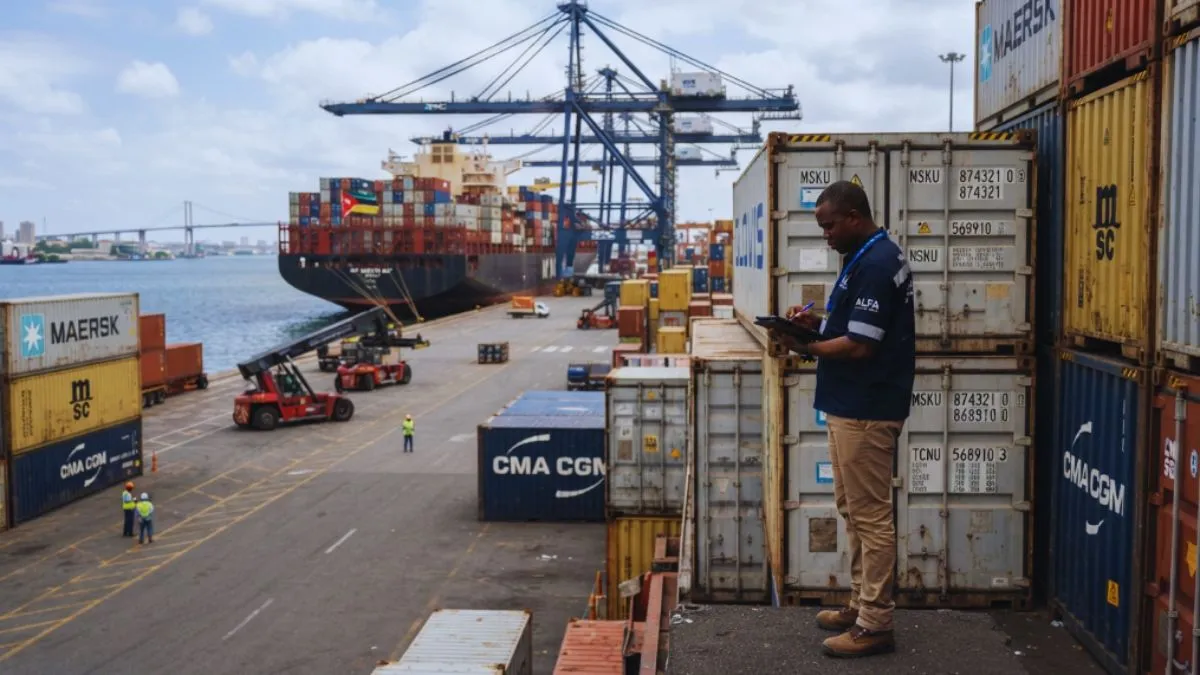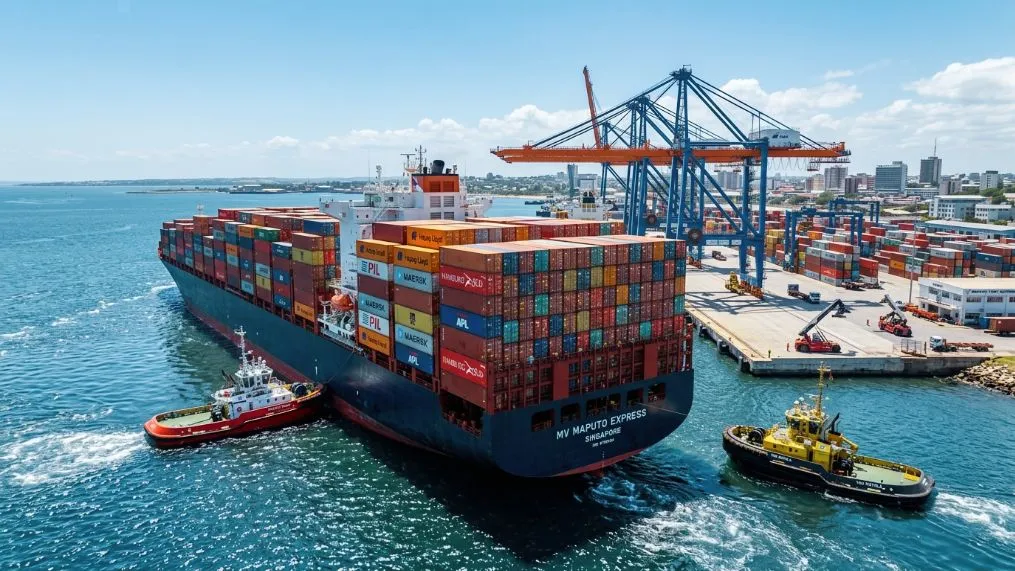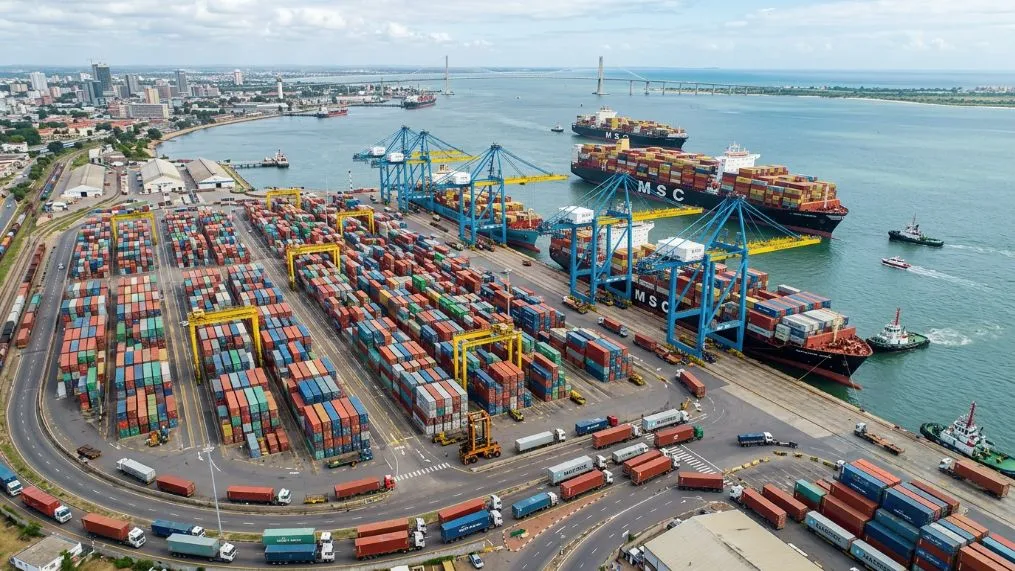
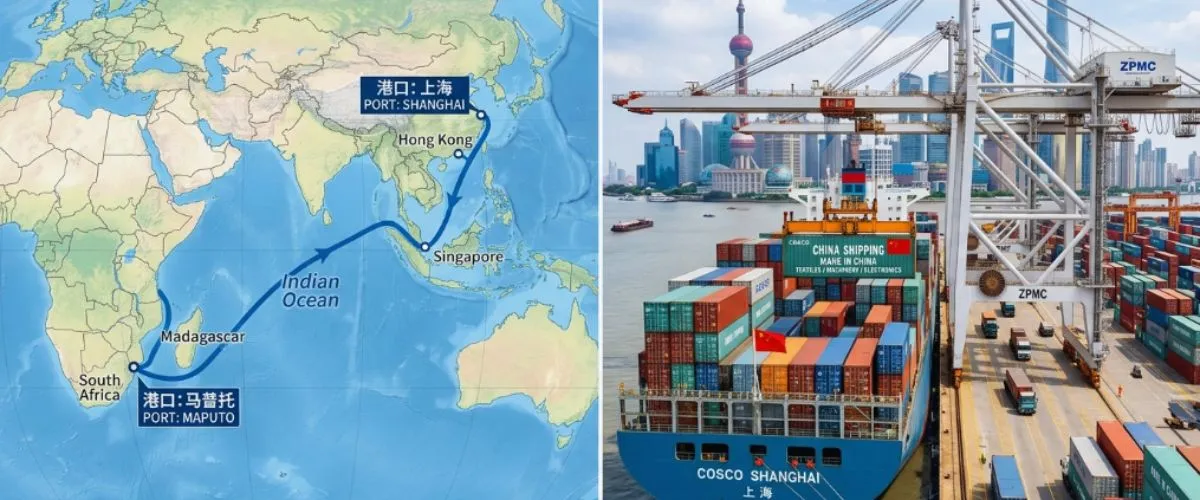
When your container vessel approaches our coast after weeks at sea, the real logistics challenge begins at the port of discharge. We've seen countless importers underestimate the complexity of moving cargo through Mozambican ports, from Maputo's congested terminals during peak season to Beira's cyclone-affected infrastructure. Understanding our port systems, customs procedures, and transit corridors makes the difference between smooth cargo flow and costly delays that can escalate demurrage charges beyond USD 35 per container daily.
Major Ports and Gateway Options
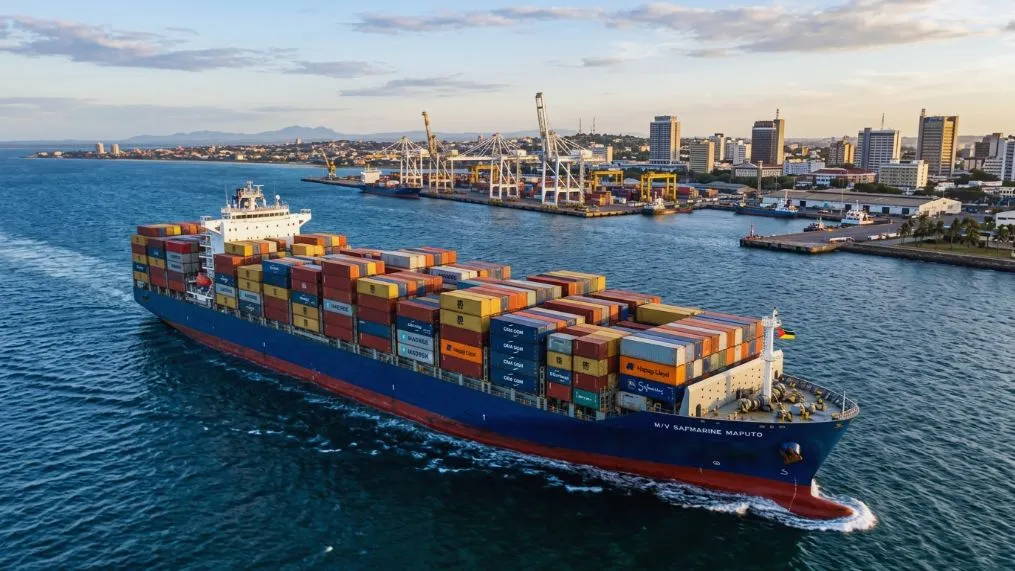
Maputo Port remains our primary gateway, handling approximately 70% of the country's containerized trade with a throughput capacity of 200,000 TEU annually. The port charges USD 180-220 per TEU for standard container handling, making it competitive within the region. However, anyone who has waited for clearance at Maputo port during peak season knows that limited yard space creates significant congestion between December and February.
Beira Port serves as the strategic transit hub for Zimbabwe, Zambia, and Malawi's landlocked trade, currently managing 100,000 TEU annually with expansion plans to reach 300,000 TEU capacity. The port's recovery from cyclone damage has improved operational consistency, though we still recommend factoring additional time for cargo processing during the rainy season. Choosing between Beira and Nacala depends heavily on your final destination and cargo type.
Trusted by vessels calling at Mozambican ports. From provisions to engine parts — everything your crew needs, delivered on time.
Nacala Port offers the deepest natural harbor in East Africa, though its container facilities remain limited compared to coal export infrastructure. The port excels for heavy cargo and mining equipment, but road connectivity challenges mean most containers require rail transport or trucking through less developed routes. We often recommend Nacala for clients shipping mining equipment or industrial machinery to northern regions.
Documentation and Customs Procedures
Our customs clearance through Autoridade Tributária typically requires 3-7 working days for standard cargo when documentation is complete. The MCNET electronic clearance system has streamlined processing, but we've learned that submitting declarations at least five working days before vessel arrival prevents storage cost accumulation. Import compliance challenges often stem from incomplete pre-arrival documentation rather than complex customs procedures.
Import duty rates range from 0-25% depending on product category under SADC protocols, with many regional goods qualifying for preferential treatment. We always verify tariff classifications early because misclassification creates delays when containers reach the examination bay. The Janela Única Electrónica system requires precise product descriptions and HS codes that match the commercial invoice exactly.
New importers often underestimate the requirement for local clearing agent registration with Autoridade Tributária, causing shipment delays when documents cannot be processed without proper accreditation. We recommend establishing relationships with registered clearing agents before your first shipment arrives, as finding qualified professionals during peak periods becomes challenging. Understanding our duty structure helps avoid unexpected cost escalations at clearance.
Transit Corridors and Inland Connectivity
The Maputo Corridor connects our capital port with South Africa's industrial heartland through the Ressano Garcia border post. Road transport dominates this corridor, though CFM rail services provide cost-effective alternatives for bulk cargo. Border processing at Ressano Garcia experiences congestion during peak periods, particularly when South African trucks queue for customs clearance on both sides.
Beira Corridor serves landlocked countries through established road and rail networks reaching Zimbabwe, Zambia, and Malawi. The corridor has recovered well from cyclone damage, with improved road surfaces and bridge reconstruction completed on major routes. Rail connectivity through this corridor offers competitive rates for mining exports and agricultural imports, though scheduling requires advance coordination with CFM operations.
Nacala Corridor features our most impressive rail infrastructure with a 912km rail line to Malawi capable of handling 18-20 million tons annually. This corridor excels for heavy industrial cargo and mining equipment, providing direct access to landlocked markets without road transport limitations. However, container services remain limited compared to bulk rail operations, making advance booking essential for containerized cargo.
Practical Considerations for Importers
Seasonal planning becomes critical when shipping to Mozambique, particularly during our December-February peak season when containers face 5-7 days additional dwell time due to yard congestion. We've watched demurrage costs mount at USD 25-35 per container per day when importers fail to account for seasonal port capacity constraints. Planning shipments to arrive during April-October typically ensures faster processing and reduced storage costs.
Local agent selection requires careful evaluation of registration status, port relationships, and system access capabilities. Experienced freight forwarders pre-clear documentation through MCNET and arrange off-dock container collection to avoid port storage fees and congestion delays. We recommend verifying agent accreditation with Autoridade Tributária before appointing clearing services, as unregistered agents cannot process customs declarations.
Common documentation pitfalls include incomplete packing lists, mismatched commercial invoice descriptions, and missing certificates for regulated products. First-time import mistakes often involve underestimating documentation requirements or assuming international standards apply without local verification. We always cross-reference documentation against Mozambican import requirements before cargo departure from origin.
Cost Management and Efficiency Tips
Port storage charges escalate after the seven-day free period, making prompt customs clearance financially critical. We recommend pre-clearing documentation to minimize container dwell time and avoid escalating storage fees. Consolidating shipments through regional hubs can reduce per-unit handling costs, particularly for smaller importers without regular container volumes.
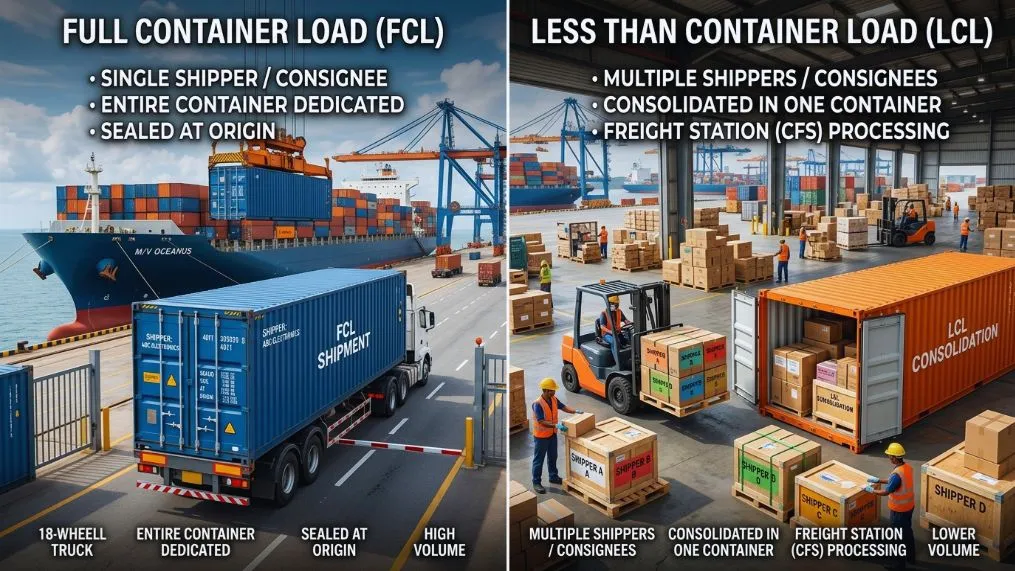
Regional consolidation opportunities exist through South African ports for urgent cargo requiring faster transit times. However, additional border crossing procedures and transport costs must be weighed against potential time savings. We often consolidate LCL shipments in Durban for clients requiring flexible departure schedules or mixed cargo consolidation services not available at our ports.
Terminal handling charges remain relatively stable throughout the year, but ancillary services like container cleaning, weighing, and inspection carry additional costs that vary by port and season. We negotiate annual service agreements with terminal operators for clients with regular shipment patterns, securing predictable pricing and priority handling during peak periods.
Success in shipping to Mozambique requires understanding our port capacities, respecting seasonal patterns, and maintaining proper documentation standards. Our logistics infrastructure continues improving, but working with experienced local partners and planning for seasonal variations ensures your cargo moves efficiently through our gateway ports to final destinations across the region.