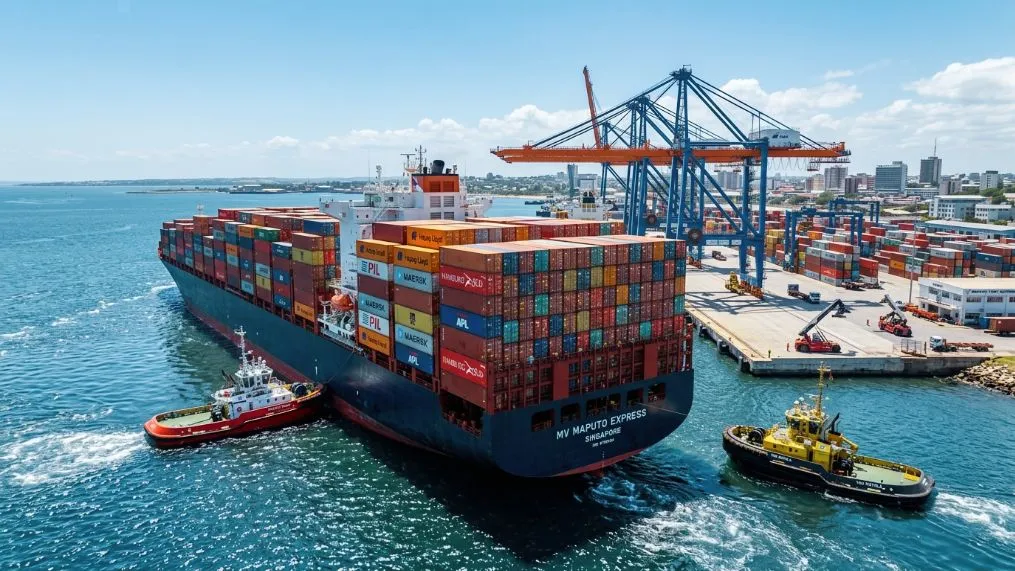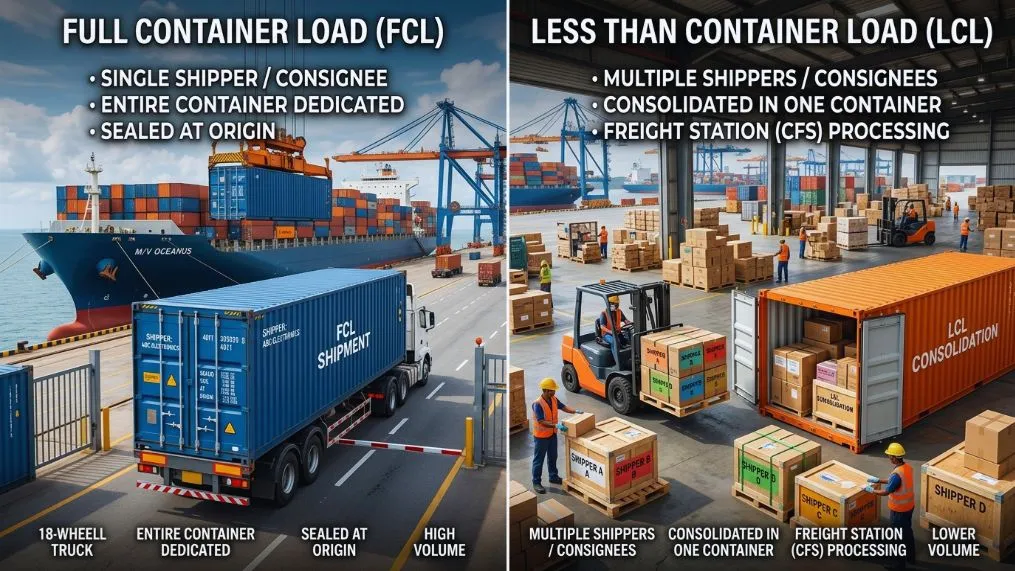
When planning imports to Mozambique, understanding the differences between Full Container Load (FCL) and Less than Container Load (LCL) shipping options represents one of the most critical decisions affecting your logistics costs and timeline. The FCL vs LCL shipping Mozambique debate centers on cargo volume, budget constraints, and delivery urgency, with each method offering distinct advantages depending on your business requirements.
FCL shipping involves renting an entire container exclusively for your goods, typically a 20-foot or 40-foot container, providing maximum control over your shipment's security and timing. Conversely, LCL shipping allows smaller importers to share container space with other shippers, making international trade accessible to businesses with limited cargo volumes or tighter budgets. Both options serve Mozambique's major ports including the Port of Maputo, Port of Beira, and Nacala Port, each offering different transit times and cost structures that directly impact your import strategy and compliance with Autoridade Tributária de Moçambique regulations.
Understanding FCL Shipping Advantages and Cost Structure
FCL shipping to Mozambique provides importers with exclusive container usage, delivering significant advantages for businesses shipping substantial volumes or requiring enhanced cargo protection. When utilizing FCL services through the Port of Maputo, importers typically experience faster customs clearance processes since the container contains goods from a single consignee, reducing inspection complexity and potential delays at the Maputo Corridor facilities. The cost structure for FCL shipping operates on a flat rate per container regardless of whether you fill the entire space, making it economically advantageous when your cargo volume exceeds 15-18 cubic meters or when shipping high-value merchandise requiring maximum security.
Trusted by vessels calling at Mozambican ports. From provisions to engine parts — everything your crew needs, delivered on time.
Transit times for FCL shipments to Mozambique generally range from 18-25 days from major Asian ports, with additional 2-4 days for inland transportation via the Maputo Corridor to interior destinations like Johannesburg or regional distribution centers. The predictable scheduling allows importers to plan inventory management more effectively, particularly crucial for businesses operating just-in-time supply chains or seasonal merchandise importation. Our comprehensive guide on shipping from China to Mozambique provides detailed insights into FCL routing options and carrier selection strategies that can significantly impact your total landed costs.
Documentation requirements for FCL shipments remain straightforward, with importers needing commercial invoices, packing lists, bills of lading, and certificates of origin for customs clearance through MPDC (Maputo Port Development Company) facilities. The simplified documentation process reduces administrative overhead and minimizes potential errors that could trigger additional inspections or delays. FCL shipping also eliminates risks associated with cargo consolidation, such as cross-contamination or delays caused by other shippers' documentation issues, providing greater control over your import timeline and reducing exposure to unforeseen complications during the customs clearance process.
LCL Shipping Benefits and When It Makes Financial Sense
LCL shipping serves as the preferred option for small to medium-sized importers who cannot justify the expense of reserving an entire container or whose cargo volume falls below the FCL economic threshold. The FCL vs LCL shipping Mozambique analysis often favors LCL for shipments under 10 cubic meters, where the per-cubic-meter pricing structure provides substantial cost savings compared to paying for unused container space. LCL services through Mozambique's ports operate through consolidation warehouses where freight forwarders combine multiple shippers' goods into shared containers, distributing ocean freight costs proportionally among participants.
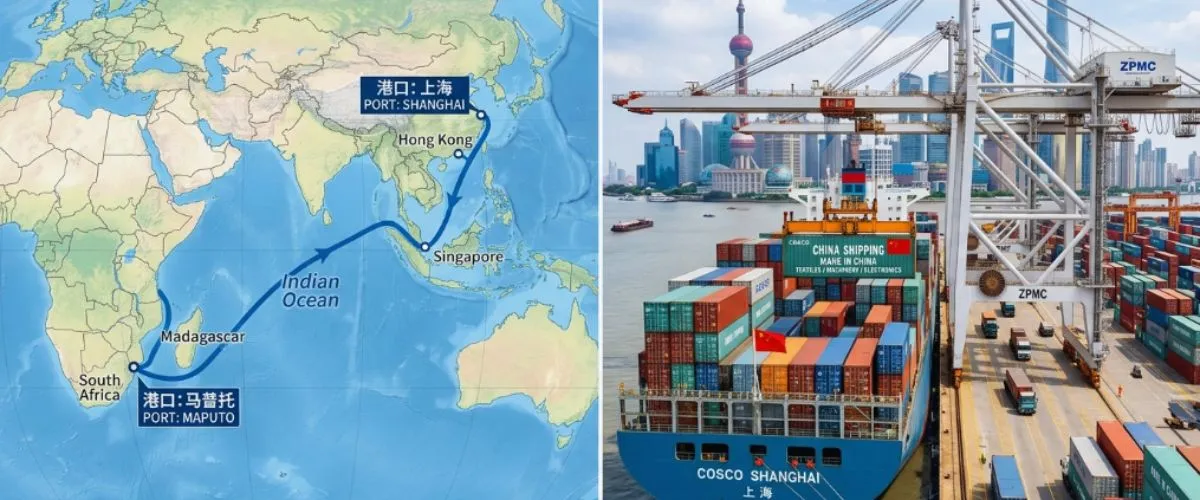
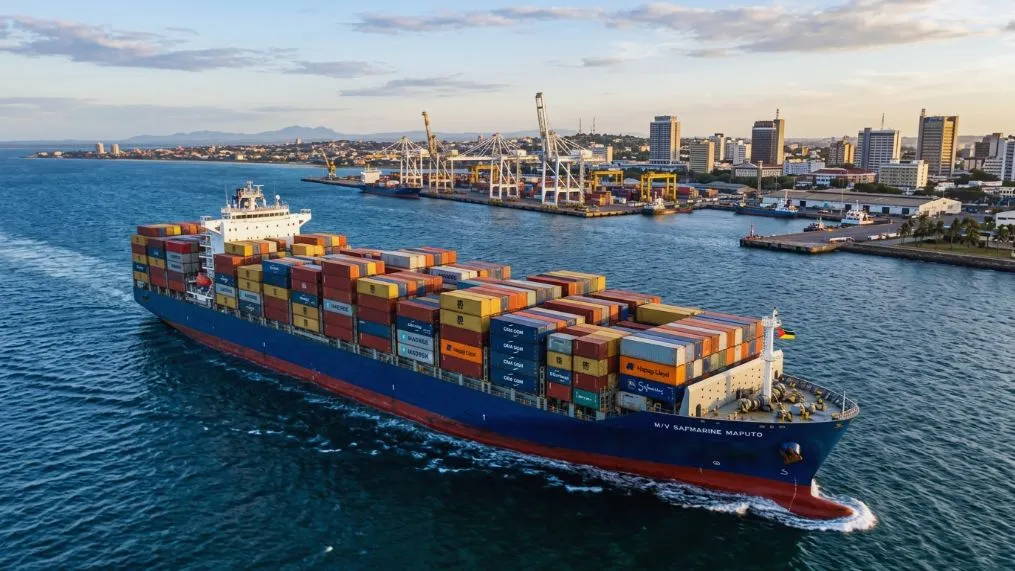
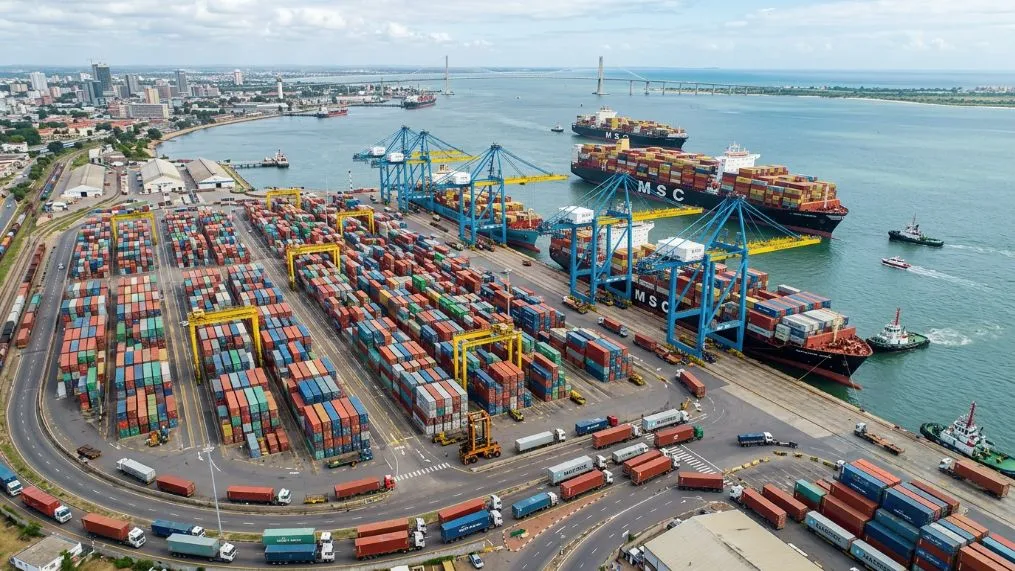
The flexibility inherent in LCL shipping allows businesses to maintain regular import schedules without accumulating excessive inventory or tying up working capital in large bulk purchases. This approach particularly benefits retailers importing diverse product ranges or testing new market segments where demand remains uncertain. LCL shipments to Nacala Port or Port of Beira typically require 25-35 days total transit time, including consolidation periods at origin ports and deconsolidation processes upon arrival in Mozambique, making advance planning essential for inventory management.
Cost calculations for LCL shipping involve multiple components including ocean freight per cubic meter, origin handling charges, destination deconsolidation fees, and local delivery expenses. While the per-unit shipping cost may appear higher than FCL alternatives, the total cash outlay remains significantly lower for smaller importers, preserving capital for business operations or market development activities. First-time importers should carefully review the additional handling involved in LCL shipments, as goods undergo more touchpoints during the shipping process, requiring robust packaging and comprehensive insurance coverage to protect against potential damage or loss during consolidation and deconsolidation procedures.
Port Infrastructure and Handling Differences
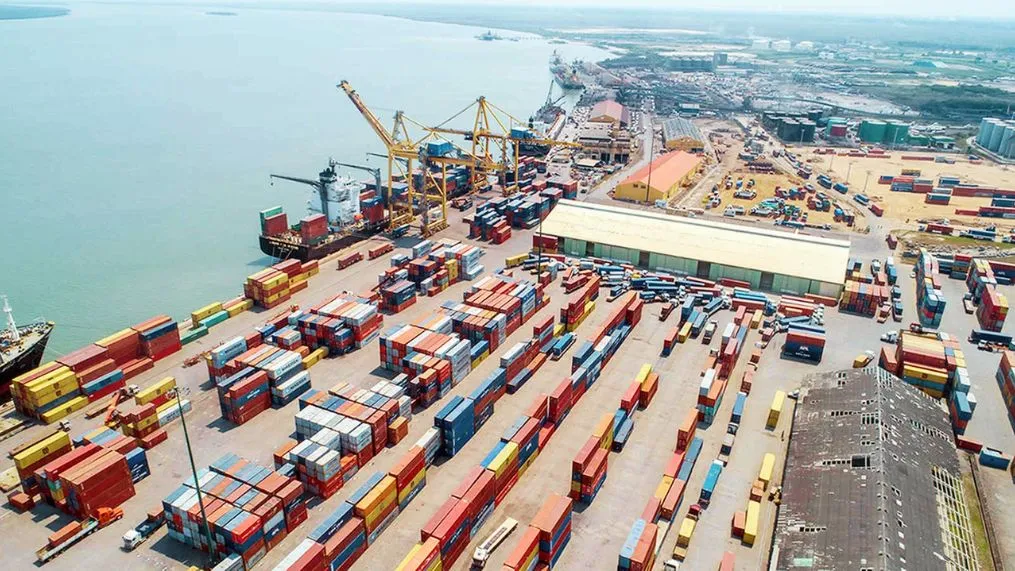
Mozambique's port infrastructure handles FCL and LCL shipments through different operational processes that directly impact costs, timing, and cargo security throughout the import process. The Port of Maputo, serving as the country's primary gateway, features dedicated container terminals with modern gantry cranes and automated systems optimized for FCL operations, enabling rapid container discharge and reducing demurrage risks for full container importers. FCL containers typically move directly from vessel to truck chassis or rail cars for immediate transportation along the Maputo Corridor, minimizing handling costs and reducing exposure to potential cargo damage or theft during port operations.
LCL operations require additional infrastructure including warehouse facilities for cargo deconsolidation, specialized handling equipment for individual shipments, and extended storage areas for temporary cargo holding during customs clearance procedures. These additional handling requirements translate into higher port charges and longer dwell times, particularly during peak shipping seasons when consolidation warehouses experience capacity constraints. The Port of Beira and Nacala Port offer similar LCL services, though with varying efficiency levels and cost structures that importers should evaluate based on their specific routing requirements and final destination within Mozambique or the broader Southern African region.
Security considerations differ significantly between FCL and LCL handling processes, with full containers maintaining seal integrity from origin to destination, providing enhanced protection against pilferage or tampering. LCL shipments undergo multiple handling stages where goods become temporarily accessible to port workers and customs officials, necessitating comprehensive packaging strategies and detailed inventory documentation to detect any discrepancies during the deconsolidation process. Understanding these operational differences helps importers make informed decisions when evaluating the FCL vs LCL shipping Mozambique options based on their cargo value, security requirements, and risk tolerance levels.
Customs Clearance and Regulatory Considerations
Customs clearance procedures through the Autoridade Tributária de Moçambique vary significantly between FCL and LCL shipments, impacting both processing times and associated costs throughout the import process. FCL shipments benefit from streamlined documentation review since all cargo belongs to a single importer, reducing complexity for customs officials and enabling faster release times when proper documentation accompanies the shipment. The single-consignee nature of FCL containers also facilitates physical inspections when required, as customs officers can efficiently examine the entire container contents without coordinating with multiple importers or navigating complex cargo segregation requirements.
LCL shipments face inherently more complex customs procedures due to the involvement of multiple importers sharing container space, requiring coordination between different clearing agents and potential delays when any single consignee experiences documentation issues or inspection requirements. The deconsolidation process must occur under customs supervision, adding administrative overhead and extending the overall clearance timeline. Import duty calculations and VAT obligations apply equally to both shipping methods, though the administrative complexity of LCL shipments may increase the likelihood of errors or delays in tax assessment and payment processing.
Risk management strategies should account for the different customs clearance profiles when choosing between shipping methods, as FCL importers maintain greater control over their clearance timeline while LCL shippers depend partially on other consignees' compliance and documentation quality. The MPDC and other port authorities implement risk-based inspection protocols that may favor FCL shipments from established importers with consistent trade patterns, while LCL shipments from new importers may face higher inspection rates due to the consolidated nature of the cargo and multiple-party involvement in the shipping process.
Cost Analysis Framework and Decision-Making Guidelines
Developing an accurate cost comparison framework for FCL vs LCL shipping Mozambique requires analyzing multiple expense categories beyond basic ocean freight rates, including origin charges, destination handling fees, customs clearance costs, and inland transportation expenses. FCL shipping costs remain relatively predictable with flat container rates from major shipping lines, typically ranging from $2,800 to $4,500 for a 40-foot container from Asian ports to Maputo, depending on seasonal demand fluctuations and carrier selection. Additional costs include terminal handling charges, documentation fees, customs clearance expenses, and inland transportation, which together may add $800-1,200 to the total landed cost per container.
LCL pricing operates on a per-cubic-meter basis with rates typically ranging from $180-280 per cubic meter to Mozambican ports, plus additional charges for origin consolidation, destination deconsolidation, and handling fees that can add $150-250 per cubic meter to the base ocean freight rate. The break-even analysis generally favors FCL when cargo volume exceeds 15-18 cubic meters for a 40-foot container or 12-14 cubic meters for a 20-foot container, though this threshold varies based on cargo density, packaging efficiency, and specific routing requirements.
Time-sensitive cargo may justify premium pricing for FCL shipping despite higher absolute costs, particularly for businesses requiring predictable delivery schedules or maintaining just-in-time inventory systems. Air cargo alternatives should also be considered for urgent shipments where neither FCL nor LCL ocean freight meets delivery requirements. The decision framework should incorporate working capital implications, as FCL shipping typically requires larger initial investments but may offer better per-unit economics for businesses with sufficient volume and financial capacity to optimize their supply chain efficiency.
Conclusion
The choice between FCL and LCL shipping to Mozambique ultimately depends on your cargo volume, budget constraints, timeline requirements, and risk tolerance, with each method offering distinct advantages aligned with different business models and import strategies. FCL shipping provides superior control, security, and cost efficiency for larger shipments while LCL offers accessibility and flexibility for smaller importers seeking to enter Mozambican markets without substantial capital commitments. Understanding the operational differences at major ports including Maputo, Beira, and Nacala, along with customs procedures administered by the Autoridade Tributária de Moçambique, enables informed decision-making that optimizes your total landed costs and supply chain performance. Successful importers regularly evaluate their FCL vs LCL shipping Mozambique options as their business grows and cargo volumes evolve, adapting their logistics strategies to maintain competitive advantages in Mozambique's dynamic import market.