
Mozambique's strategic position along Africa's eastern coast has established it as a crucial gateway for international trade, with the Port of Maputo, Port of Beira, and Nacala Port serving as primary entry points for goods destined for both domestic consumption and regional distribution. Understanding Mozambique import duties rates and the broader tax framework administered by the Autoridade Tributária de Moçambique (ATM) is essential for international traders seeking to navigate this emerging market successfully.
The country's customs regime operates under a complex structure that combines import duties, Value Added Tax (VAT), and various additional charges, all of which must be carefully calculated and paid before goods can be released from customs. The Maputo Corridor and other trade routes connecting Mozambique to landlocked neighbors like Zimbabwe, Zambia, and Malawi further complicate the regulatory landscape, as traders must distinguish between goods for domestic consumption and those in transit.
With Mozambique's economy increasingly integrated into regional and global supply chains, mastering these import procedures has become critical for businesses ranging from small-scale importers to multinational corporations establishing operations in the Southern African Development Community (SADC) region.
Trusted by vessels calling at Mozambican ports. From provisions to engine parts — everything your crew needs, delivered on time.
Import Duty Structure and Tariff Classifications
The foundation of Mozambique import duties rates lies in the country's adoption of the Common External Tariff (CET) system as part of its membership in the Southern African Customs Union (SACU) framework, though Mozambique maintains certain autonomous tariff schedules. Import duties typically range from zero percent for essential goods and raw materials to thirty percent or higher for luxury items and finished consumer products. The Autoridade Tributária de Moçambique classifies goods according to the Harmonized System (HS) codes, with each classification carrying specific duty rates that importers must research thoroughly before shipment.
Essential commodities such as basic foodstuffs, medicines, and certain agricultural inputs often benefit from reduced or zero-duty treatment, reflecting government policies aimed at controlling inflation and supporting economic development. Intermediate goods and raw materials used in manufacturing typically face moderate duty rates of five to fifteen percent, encouraging local production and value addition. Finished consumer goods, particularly electronics, vehicles, and luxury items, generally attract the highest duty rates, sometimes exceeding twenty-five percent of the customs value.
The customs valuation process follows international standards, with duties calculated on the Cost, Insurance, and Freight (CIF) value declared on shipping documents. Importers must ensure accurate valuation declarations, as the ATM frequently conducts post-clearance audits and maintains sophisticated risk management systems at major ports including Maputo, Beira, and Nacala. Undervaluation can result in significant penalties, duty adjustments, and delays that far exceed any short-term savings attempted through false declarations.
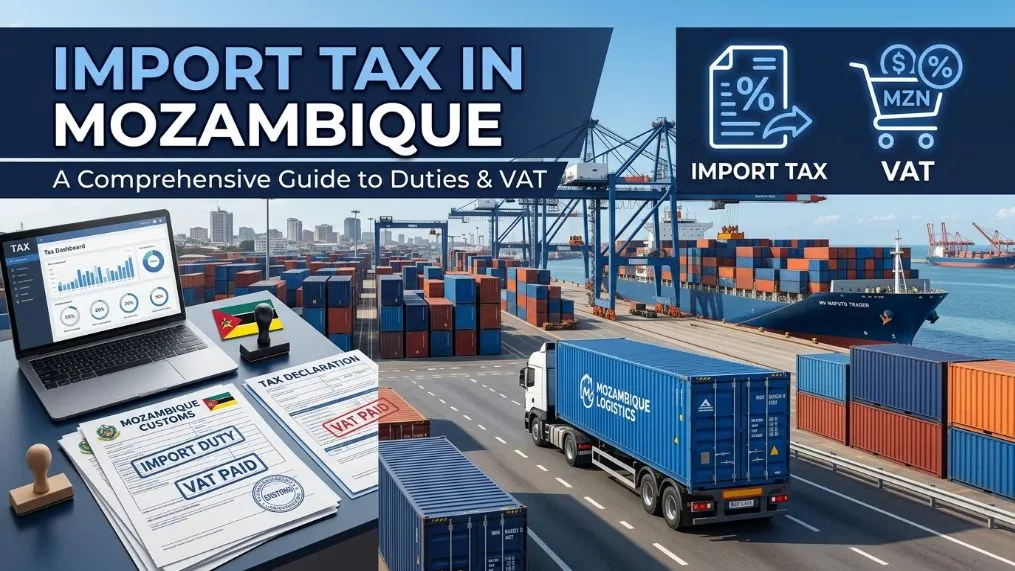
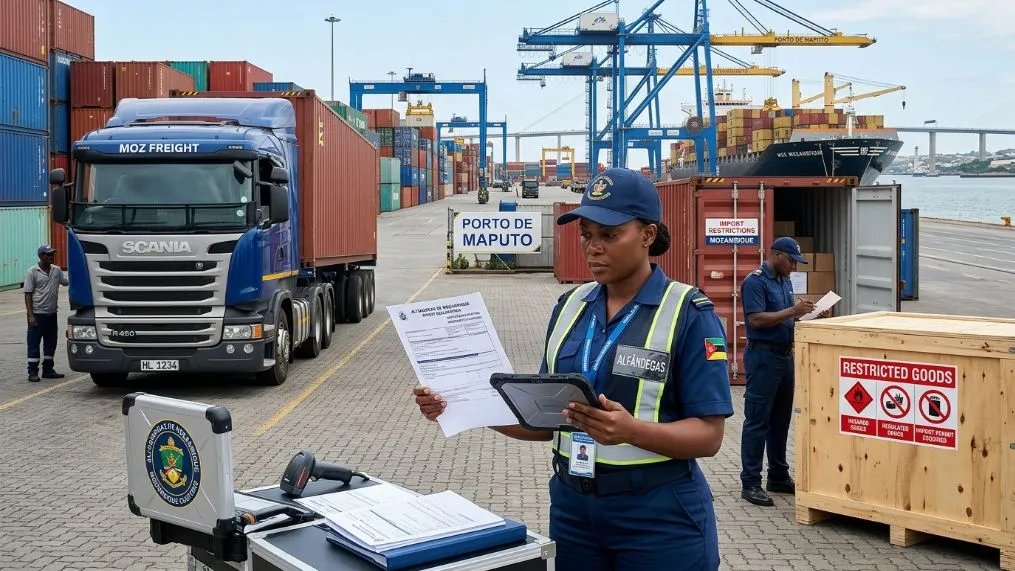
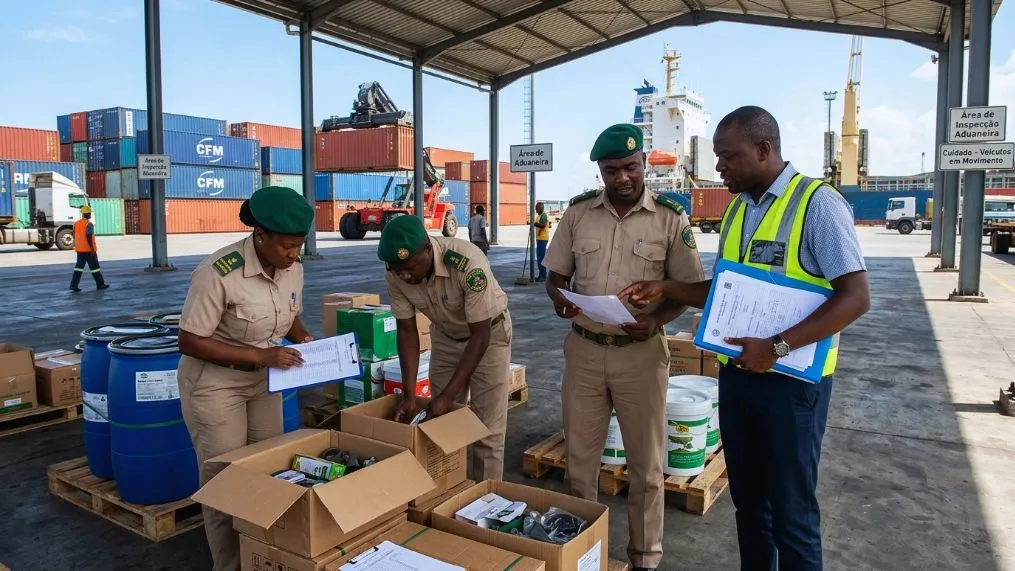
Special economic zones and industrial free zones offer alternative duty structures for qualifying businesses, with the Mozambique Investment Promotion Centre (CPI) administering various incentive programs. These arrangements can substantially reduce effective Mozambique import duties rates for manufacturers and exporters, though they require compliance with specific performance criteria and periodic reviews. Companies operating within the Maputo Corridor economic zone, for instance, may qualify for duty suspension or reduction schemes that make their operations more competitive regionally.
Value Added Tax (VAT) Application and Exemptions
Mozambique's Value Added Tax system applies to most imported goods at a standard rate of seventeen percent, calculated on the duty-inclusive value of imported merchandise. This means that VAT is charged not only on the CIF value of goods but also on any import duties and other charges levied by customs authorities. The Autoridade Tributária de Moçambique administers VAT collection at the point of importation, making it a significant component of total import costs that businesses must factor into their pricing and cash flow calculations.
Certain categories of goods qualify for VAT exemptions or reduced rates under Mozambican law, particularly items deemed essential for public welfare or economic development. Medical equipment, educational materials, agricultural machinery, and basic foodstuffs may qualify for preferential VAT treatment, though importers must obtain proper certification and documentation to claim these benefits. The exemption process typically requires advance approval from relevant government ministries and can involve substantial documentation requirements that importers should begin preparing well before shipment.
Registered VAT taxpayers in Mozambique can generally claim input VAT credits for taxes paid on imported goods used in their business operations, provided they maintain proper accounting records and compliance with ATM requirements. This mechanism helps prevent double taxation and ensures that VAT functions as a consumption tax rather than a burden on business inputs. However, the credit claiming process requires careful documentation and can take several months to process, affecting working capital requirements for importing businesses.
Transit goods moving through Mozambican ports to neighboring countries typically qualify for VAT suspension arrangements under various regional trade agreements and customs transit procedures. The Port of Beira serves as a crucial transit point for goods destined for Zimbabwe and Zambia, while Nacala Port handles significant volumes bound for Malawi. These transit arrangements require proper documentation and bonding procedures, but they allow goods to move through Mozambique without incurring local VAT obligations, supporting the country's role as a regional logistics hub.
Documentation Requirements and Customs Procedures
Successful customs clearance in Mozambique requires meticulous attention to documentation requirements, with the Autoridade Tributária de Moçambique operating increasingly sophisticated electronic systems for document processing and verification. The primary documents required include a commercial invoice, packing list, bill of lading or airway bill, certificate of origin, and various permits depending on the nature of imported goods. Import licenses may be required for certain categories of merchandise, particularly those subject to health, safety, or environmental regulations administered by sector-specific government agencies.
The Single Electronic Window (SEW) system implemented across major Mozambican ports streamlines document submission and processing, allowing importers and their agents to submit required paperwork electronically before goods arrive. This advance processing capability significantly reduces clearance times at ports like Maputo, Beira, and Nacala, though it requires importers to have accurate shipping information and complete documentation ready well before vessel arrival. The system also facilitates better calculation of Mozambique import duties rates and total landing costs before goods reach the port.
Customs brokers and freight forwarders play crucial roles in navigating Mozambique's import procedures, as they maintain current knowledge of regulatory changes and have established relationships with customs officials. Selecting experienced local partners familiar with specific port procedures and commodity requirements can substantially reduce clearance times and minimize the risk of costly delays or compliance issues. These professionals also assist with proper classification of goods under HS codes, ensuring that correct duty rates are applied and reducing the likelihood of post-clearance audits or disputes.
Physical inspection procedures vary depending on the risk profile of importers and specific commodities being imported, with new importers and high-risk goods subject to more intensive examination. The customs authorities maintain sophisticated risk management systems that analyze import patterns, trader profiles, and commodity characteristics to determine inspection requirements. Established importers with good compliance records often benefit from expedited processing and reduced inspection rates, creating incentives for maintaining proper documentation and payment of correct duties and taxes.
Payment Procedures and Financial Considerations
Payment of import duties, VAT, and other customs charges in Mozambique must be completed before goods can be released from customs control, creating cash flow considerations that importers must plan for carefully. The Autoridade Tributária de Moçambique accepts payments through designated commercial banks and increasingly through electronic payment systems that integrate with the customs clearance process. Understanding the timing and methods of payment is crucial for minimizing storage costs and avoiding demurrage charges that can accumulate rapidly at busy ports.
Customs duties and taxes are typically payable in Mozambican Meticais, though some procedures may accept major international currencies under specific circumstances. Exchange rate fluctuations can significantly impact the final cost of imports, particularly for high-value shipments, making currency hedging an important consideration for regular importers. The calculation of Mozambique import duties rates in local currency means that exchange rate movements between order placement and customs clearance can create unexpected cost variations that affect profit margins.
Bonding and guarantee arrangements are available for certain types of imports, particularly those involving temporary importation, transit procedures, or deferred payment schemes. These financial instruments, typically provided by banks or specialized guarantee companies, allow goods to be released from customs while payment obligations are secured through alternative means. Such arrangements can improve cash flow management but involve additional costs and administrative requirements that must be weighed against the benefits of faster goods release.
Storage and handling charges at Mozambican ports accumulate from the time goods are discharged from vessels until customs clearance is completed, making efficient processing essential for cost control. The Port of Maputo, Port of Beira, and Nacala each maintain different tariff structures for storage, handling, and related services, with charges increasing substantially for goods that remain in port storage for extended periods. Advance preparation of documentation and payment arrangements can significantly reduce these ancillary costs, which often exceed the basic freight charges for delayed shipments.
Compliance Strategies and Best Practices
Developing effective compliance strategies for Mozambican import procedures requires ongoing attention to regulatory changes, relationship building with local authorities and service providers, and investment in proper systems and training. The Autoridade Tributária de Moçambique regularly updates regulations, duty rates, and procedures, making it essential for importers to maintain current information sources and professional networks. Successful importers typically establish relationships with reputable customs brokers, freight forwarders, and legal advisors who specialize in Mozambican trade regulations and can provide timely updates on changes affecting their operations.
Record-keeping requirements in Mozambique are extensive and strictly enforced, with businesses required to maintain detailed documentation of all import transactions for specified periods. These records must be readily available for customs audits and tax inspections, which can occur several years after initial importation. Implementing proper document management systems and ensuring that all staff involved in import operations understand their documentation responsibilities can prevent costly compliance failures and penalties that may far exceed the original import duties and taxes.
Understanding preferential trade arrangements and their qualification requirements can substantially reduce effective Mozambique import duties rates for eligible goods and trading partners. The country participates in various regional and international trade agreements, including SADC, COMESA, and agreements with the European Union and other major trading partners. These arrangements often provide reduced or eliminated duties for qualifying products, though they typically require certificates of origin and compliance with rules of origin that can be complex to navigate.
Regular review and optimization of import procedures can yield substantial cost savings and operational improvements over time. This includes periodic analysis of commodity classifications to ensure optimal HS code usage, evaluation of alternative shipping routes and ports, and assessment of opportunities for consolidation or timing adjustments that can reduce total landed costs. The Maputo Corridor and other trade routes offer different cost and timing profiles that may benefit specific types of cargo or business models, making route optimization an important consideration for regular importers.