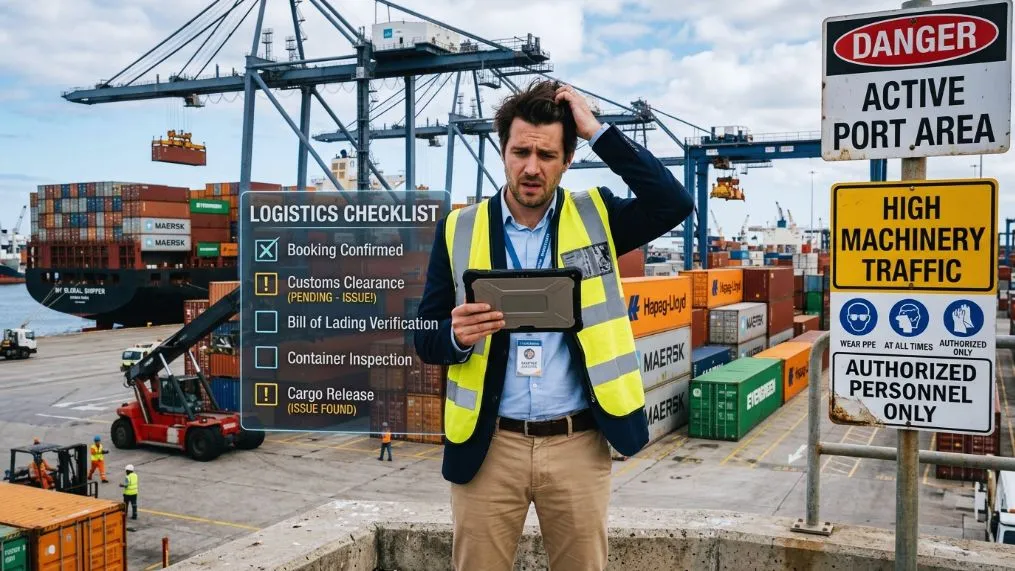
Entering the Mozambican import market presents tremendous opportunities for entrepreneurs and established businesses alike, but navigating the country's complex regulatory environment requires careful preparation and local expertise. The first time importing Mozambique mistakes avoid scenario is unfortunately common among international traders who underestimate the intricacies of customs procedures, documentation requirements, and infrastructure limitations across the country's major commercial hubs.
From the bustling Port of Maputo in the south to the strategic Port of Beira serving the central corridor and the deepwater facilities at Nacala in the north, each entry point presents unique challenges that can derail unprepared importers. Understanding the operational frameworks of the Autoridade Tributária de Moçambique, coordinating with the Ministry of Development and Commerce (MPDC), and mastering the documentation flow through customs clearance processes are fundamental requirements that demand attention to detail and local market knowledge.
Documentation and Regulatory Compliance Oversights
The most critical area where first time importing Mozambique mistakes avoid situations arise involves incomplete or incorrect documentation submitted to customs authorities. The Autoridade Tributária de Moçambique maintains strict requirements for commercial invoices, packing lists, certificates of origin, and import licenses that must align perfectly with actual shipment contents and declared values. Many newcomers fail to understand that document discrepancies, even minor ones, can result in cargo detention, substantial penalties, and extended clearance delays that compound storage costs at ports.
Trusted by vessels calling at Mozambican ports. From provisions to engine parts — everything your crew needs, delivered on time.
Import license requirements vary significantly depending on product categories, with certain goods requiring pre-approval from sector-specific ministries or regulatory bodies. The MPDC oversees licensing for many commercial products, but specialized items such as pharmaceuticals, telecommunications equipment, or agricultural products may require additional permits from relevant authorities. Establishing relationships with licensed customs brokers who understand these requirements proves essential for smooth operations, particularly when dealing with time-sensitive shipments.
Certificate of conformity requirements under Mozambican standards can catch first-time importers off-guard, especially those shipping manufactured goods or consumer products. The país operates a verification system that requires compliance certificates for various product categories, and failure to obtain proper certification before shipment arrival can result in cargo rejection or costly re-export procedures. For those managing urgent deliveries, understanding air cargo import services to Maputo International Airport becomes crucial when ground clearance processes encounter unexpected delays.
Banking documentation presents another common pitfall, as foreign exchange regulations require specific procedures for payment processing and currency conversion records. The Bank of Mozambique maintains oversight of international transactions, and importers must ensure proper documentation of payment methods, currency exchange rates, and compliance with foreign currency regulations. Establishing banking relationships with institutions experienced in international trade finance helps navigate these requirements while ensuring compliance with monetary policy directives.

Port Selection and Infrastructure Considerations
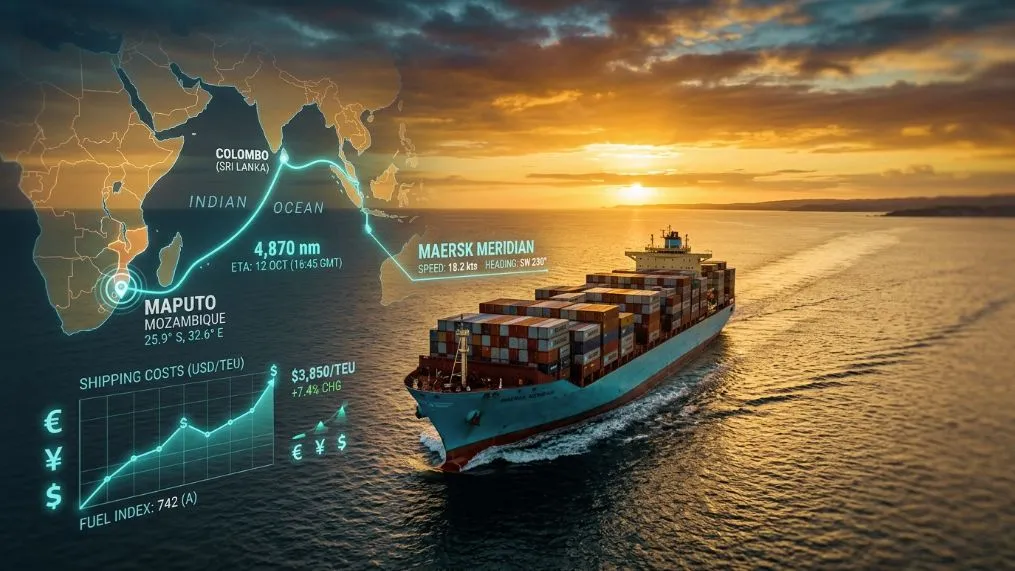
Strategic port selection represents a crucial decision that significantly impacts overall import costs, transit times, and operational efficiency. The Port of Maputo serves as the country's primary commercial gateway, offering the most developed infrastructure and connectivity to South African supply chains through the Maputo Corridor. However, this popularity often translates to congestion during peak seasons, extended waiting times for berth allocation, and higher handling costs compared to alternative entry points. First-time importers frequently choose Maputo based solely on its reputation without considering whether their specific cargo types and destination markets might be better served through other facilities.
The Port of Beira provides strategic advantages for cargo destined to Zimbabwe, Zambia, and central Mozambican markets, offering shorter inland transportation distances and potentially lower overall logistics costs. The port's rehabilitation and expansion projects have improved capacity and efficiency, making it an increasingly attractive option for importers serving regional markets. However, draft limitations and seasonal variations in handling capacity require careful planning and coordination with port authorities to ensure smooth operations.
Nacala port presents unique opportunities for deep-sea vessels and bulk cargo operations, particularly for importers bringing large volumes or specialized equipment. The port's natural deep-water harbor can accommodate larger vessels that might face restrictions at other facilities, potentially offering significant cost savings on ocean freight. However, inland connectivity from Nacala requires more complex logistics planning, and importers must factor additional transportation costs and transit times when serving southern or central markets from this northern entry point.
Port infrastructure limitations across all facilities require realistic expectations regarding handling capabilities, storage availability, and equipment access. Container yard congestion, limited specialized handling equipment, and seasonal capacity constraints can impact cargo flow and clearance timelines. Smart importers conduct detailed assessments of port capabilities relative to their cargo requirements and maintain flexible contingency plans to address operational challenges that may arise during peak periods or infrastructure maintenance activities.
Cost Structure and Financial Planning Errors
Underestimating the total cost of importing represents one of the most expensive first time importing Mozambique mistakes avoid scenarios that can quickly erode profit margins and strain business cash flows. Beyond basic ocean freight and customs duties, importers face multiple cost components including port handling charges, storage fees, customs brokerage services, inland transportation, and various administrative fees that can accumulate rapidly. The Autoridade Tributária de Moçambique assessment procedures may result in duty calculations based on adjusted values if declared amounts appear inconsistent with market prices, leading to unexpected additional charges.
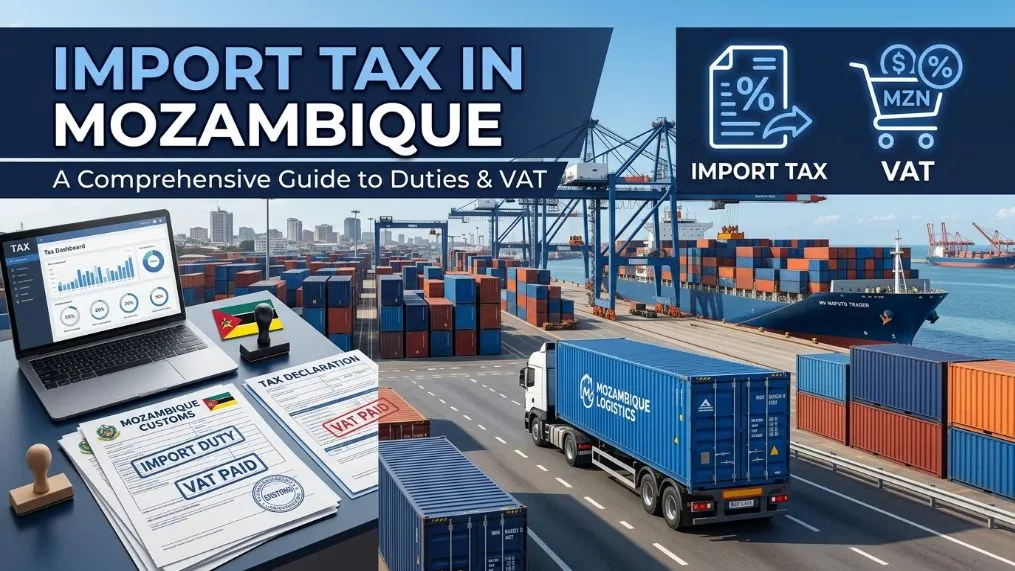
Currency fluctuation risks pose significant challenges for importers operating in meticais while sourcing goods priced in foreign currencies. The exchange rate volatility between the metical and major trading currencies can substantially impact landed costs, particularly for businesses without hedging strategies. Many first-time importers fail to account for currency conversion costs, bank transfer fees, and potential delays in foreign exchange processing that can affect payment timing and supplier relationships. For comprehensive guidance on managing these financial aspects, importers should review detailed information about understanding Mozambique import duties, VAT rates, and tax obligations under Autoridade Tributária regulations to ensure accurate cost planning.
Storage and demurrage costs at ports can escalate quickly when clearance procedures encounter delays or documentation issues. Port authorities charge daily storage fees for containers and cargo awaiting clearance, and these costs compound over time while importers resolve regulatory or administrative challenges. Warehouse storage fees, container detention charges, and potential penalty fees for delayed customs processing can transform profitable import transactions into financial burdens if not properly managed and anticipated in cost calculations.
Insurance considerations extend beyond basic marine cargo coverage to include local handling, storage, and inland transportation risks. Many international insurance policies provide limited coverage once cargo enters Mozambican territory, requiring supplementary local coverage or specialized policies that address infrastructure and operational risks specific to the local environment. Professional insurance advice tailored to Mozambican import operations helps identify coverage gaps and ensure adequate protection throughout the entire supply chain process.
Supply Chain and Logistics Coordination
Poor supplier coordination and logistics planning create cascading problems that affect every aspect of the import process, from initial shipping arrangements to final delivery at destination. Many first-time importers fail to establish clear communication protocols with overseas suppliers regarding packaging requirements, shipping marks, documentation preparation, and delivery timing that align with Mozambican port operations and customs procedures. Misunderstandings about Incoterms, delivery responsibilities, and documentation requirements can result in cargo arriving without proper paperwork or in unsuitable condition for local handling facilities.
Seasonal planning becomes particularly important given Mozambique's climate patterns and their impact on port operations, inland transportation, and storage conditions. The cyclone season from November to April can disrupt port operations, delay vessel schedules, and create capacity constraints that affect cargo flow and clearance timing. Smart importers incorporate seasonal considerations into their supply chain planning, adjusting inventory levels and shipping schedules to account for potential weather-related disruptions and capacity limitations during peak risk periods.
Local transportation infrastructure requires careful evaluation and planning, particularly for cargo moving from coastal ports to inland destinations. Road conditions, vehicle availability, fuel logistics, and seasonal accessibility can significantly impact delivery schedules and transportation costs. The Maputo Corridor offers the most developed transportation links, but routes to northern provinces or remote areas may require specialized logistics arrangements and longer transit times that must be factored into overall supply chain planning.
Technology integration and tracking capabilities vary significantly across different service providers and transportation modes, requiring importers to establish appropriate monitoring and communication systems for their supply chains. Many logistics providers offer limited real-time tracking or communication capabilities, making it essential to establish clear reporting protocols and contingency communication plans. For businesses importing from Asian markets, reviewing comprehensive guidance on shipping from China to Mozambique provides valuable insights into managing complex international supply chains effectively.
Long-term Relationship and Market Development
Building sustainable import operations requires long-term relationship development with local partners, service providers, and regulatory contacts who can provide ongoing support and market intelligence. Many first-time importers focus exclusively on immediate transactional needs without investing in relationship-building activities that facilitate smoother operations and problem resolution over time. Customs brokers, freight forwarders, transportation providers, and warehouse operators who understand your business requirements and operational preferences become valuable assets for managing complex situations and optimizing supply chain performance.
Market intelligence and regulatory monitoring represent ongoing requirements that many newcomers underestimate in their operational planning. Import regulations, duty rates, documentation requirements, and compliance procedures can change with limited notice, requiring active monitoring and adaptation of operational procedures. Establishing information networks through industry associations, trade organizations, and professional service providers helps importers stay current with regulatory developments and market conditions that affect their operations.
Scalability planning becomes crucial as import volumes grow and business operations expand across different product categories or market segments. Infrastructure limitations, capacity constraints, and regulatory complexity can create bottlenecks that limit growth potential if not addressed proactively. Successful importers develop operational frameworks and partner relationships that can accommodate volume increases and operational complexity while maintaining service quality and compliance standards.
Risk management strategies must evolve beyond initial market entry to address ongoing operational challenges, market volatility, and infrastructure limitations that characterize the Mozambican business environment. Political risk, currency stability, infrastructure development, and regulatory changes all impact import operations over time, requiring adaptive strategies and contingency planning that can respond to changing conditions while maintaining business continuity and profitability targets.