Establishing efficient supply chains between China and Mozambique has become increasingly vital for entrepreneurs seeking to capitalize on growing trade opportunities in Southern Africa. This comprehensive shipping China to Mozambique logistics guide addresses the critical considerations that business owners must understand when importing goods from Chinese manufacturers through Mozambican ports. The logistics landscape involves navigating complex documentation requirements, understanding port capabilities, managing customs procedures through the Autoridade Tributária de Moçambique, and optimizing transportation routes via key corridors.
Successful importers recognize that effective planning begins with understanding the interconnected nature of maritime shipping, inland transportation, and regulatory compliance. Whether targeting Maputo's bustling commercial districts or distributing goods throughout the Southern African Development Community region, entrepreneurs must develop comprehensive strategies that account for seasonal variations, infrastructure capabilities, and evolving trade regulations that impact cost structures and delivery timelines.
Major Ports and Maritime Infrastructure
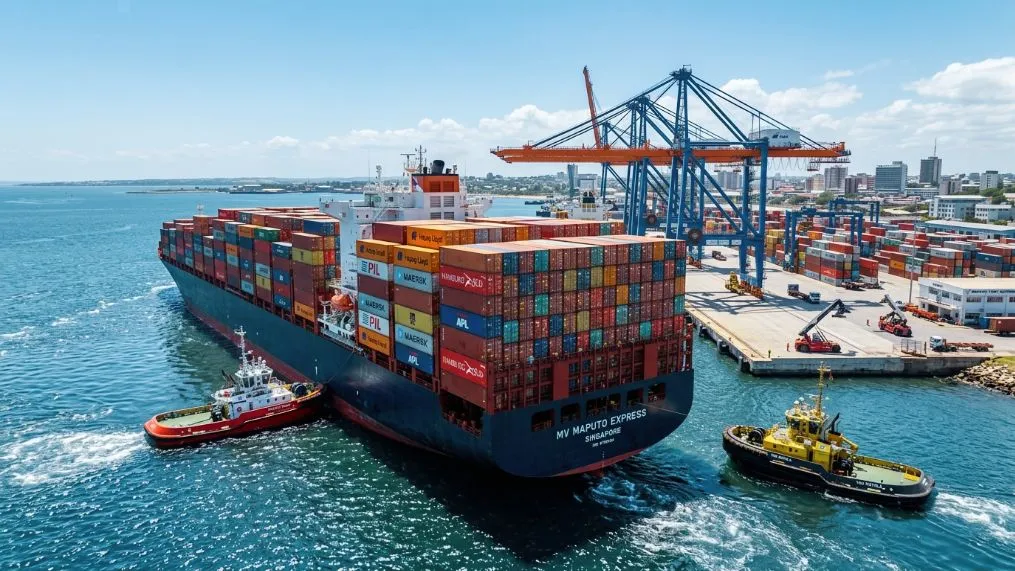
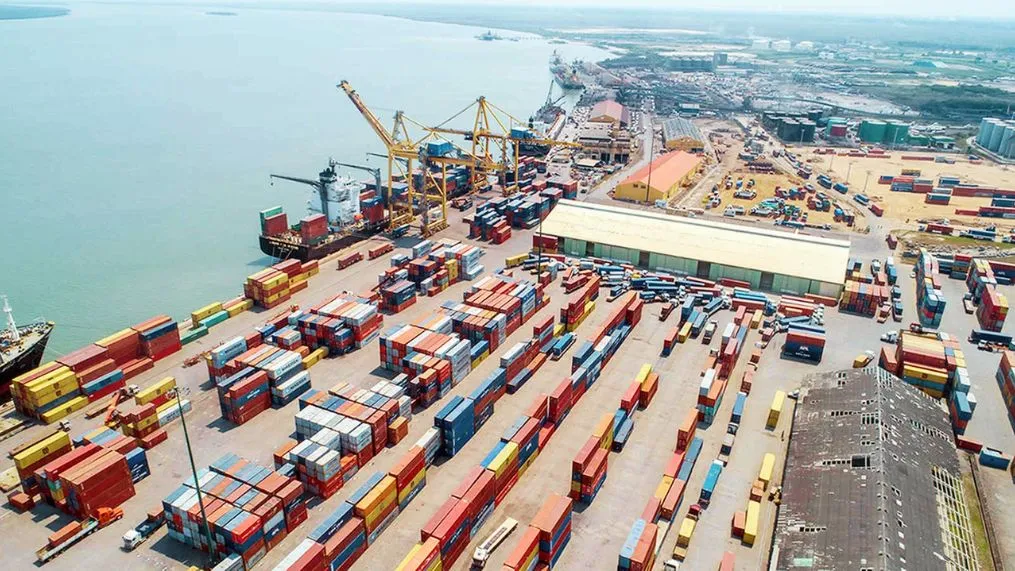
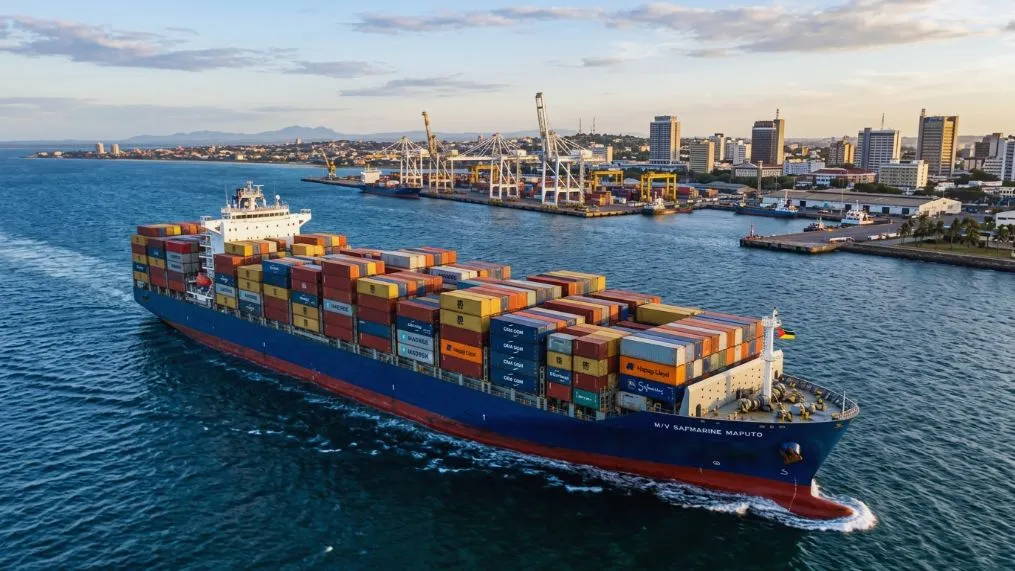
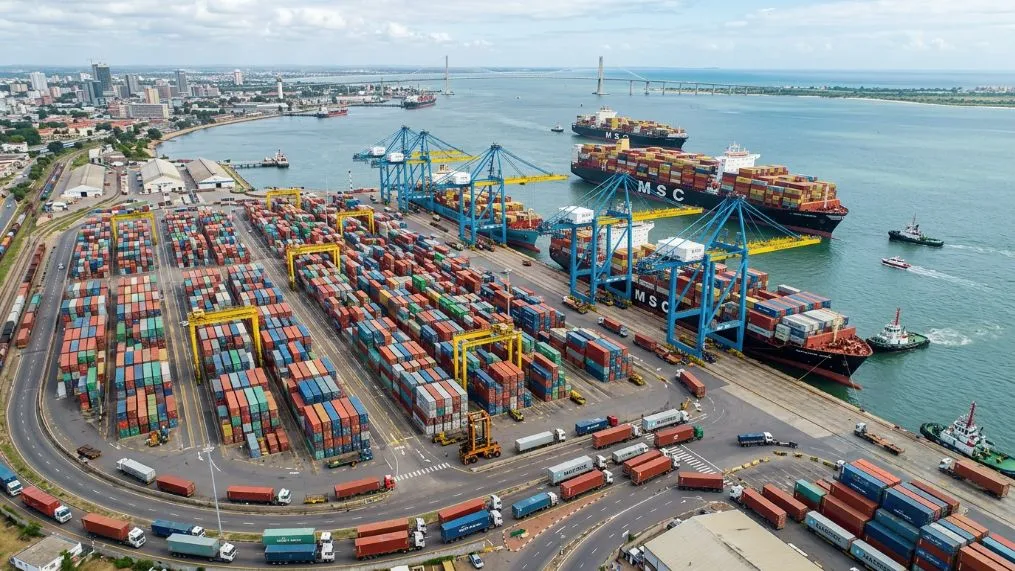
The Port of Maputo serves as Mozambique's primary gateway for Chinese imports, handling approximately 70% of the country's container traffic and offering direct shipping connections to major Chinese ports including Shanghai, Shenzhen, and Ningbo. Modern terminal facilities operated by Maputo Port Development Company provide container handling capabilities exceeding 200,000 TEU annually, with specialized equipment for efficient cargo processing. The port's strategic location connects seamlessly with the Maputo Corridor, facilitating onward transportation to South Africa, Eswatini, and inland Mozambican destinations.
Trusted by vessels calling at Mozambican ports. From provisions to engine parts — everything your crew needs, delivered on time.
The Port of Beira represents the second-largest maritime facility, particularly valuable for importers targeting central Mozambique and landlocked countries including Zimbabwe, Zambia, and Malawi. Recent infrastructure investments have enhanced Beira's container handling capacity, with new berths accommodating larger vessels from Chinese shipping lines. The Beira Corridor provides crucial inland connectivity, though importers should account for additional transit time compared to Maputo routes.
Nacala Port in northern Mozambique offers emerging opportunities for entrepreneurs focusing on regional distribution throughout the northern provinces and southern Tanzania. While container volumes remain smaller than Maputo and Beira, Nacala's deep-water capabilities and expanding rail connections present long-term strategic advantages. The port's proximity to coal and mineral export operations creates mixed cargo opportunities but may result in seasonal congestion during peak mining periods.
Port selection significantly impacts total logistics costs and delivery schedules. Maputo typically offers the most frequent shipping connections from China, with transit times ranging from 18 to 25 days depending on vessel routing and intermediate stops. Entrepreneurs should evaluate port charges, container handling fees, and inland transportation costs when determining optimal entry points for their specific supply chains.
Customs Procedures and Documentation Requirements
Navigating Mozambique's customs environment requires thorough preparation and understanding of procedures administered by the Autoridade Tributária de Moçambique. Import documentation must include commercial invoices with detailed product descriptions, packing lists specifying container contents, bills of lading issued by shipping carriers, and certificates of origin confirming Chinese manufacturing sources. The shipping China to Mozambique logistics guide emphasizes that incomplete or inaccurate documentation frequently causes costly delays and additional inspection requirements.
The ASYCUDA electronic customs system processes import declarations, requiring pre-registration and digital submission of documentation before vessel arrival. Importers must obtain tax identification numbers and register with relevant authorities before initiating import procedures. Understanding Mozambique import duties, VAT rates, and tax obligations under Autoridade Tributária regulations provides essential guidance for calculating total landed costs and ensuring compliance with current tax structures.
Specific product categories require additional certifications and permits before customs clearance. Electronics and machinery imports typically need conformity certificates confirming compliance with Mozambican technical standards. Food products require health certificates from Chinese export authorities and may undergo additional inspection by Mozambican health officials. Pharmaceutical and chemical imports face stringent documentation requirements including safety data sheets and import licenses from relevant regulatory bodies.
Customs valuation procedures examine invoice values against international price benchmarks, potentially triggering additional assessments if declared values appear inconsistent with market rates. Experienced importers recommend maintaining comprehensive documentation supporting invoice accuracy, including supplier quotations, market research, and comparable transaction evidence. Physical inspections occur on approximately 15-20% of import shipments, with selection based on risk assessment algorithms considering importer history, product categories, and declared values.
Shipping Options and Transit Times
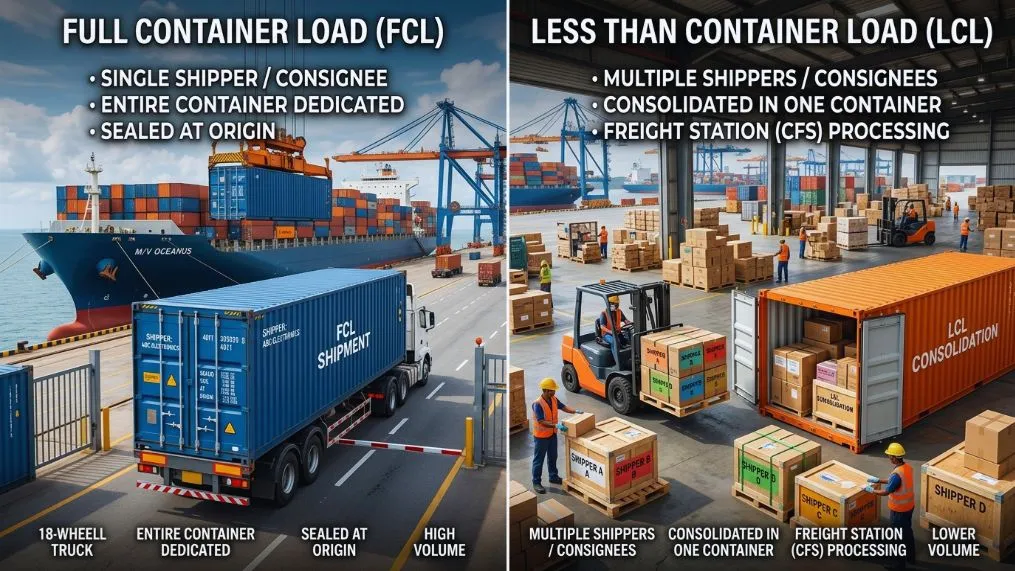
Ocean freight represents the most economical shipping method for substantial cargo volumes, with major Chinese carriers including COSCO, China Shipping, and Evergreen maintaining regular services to Mozambican ports. Full Container Load shipments provide optimal security and handling control, while Less than Container Load options accommodate smaller importers sharing container space with other shippers. The comprehensive shipping China to Mozambique logistics guide recommends FCL for valuable or fragile goods requiring specialized handling procedures.
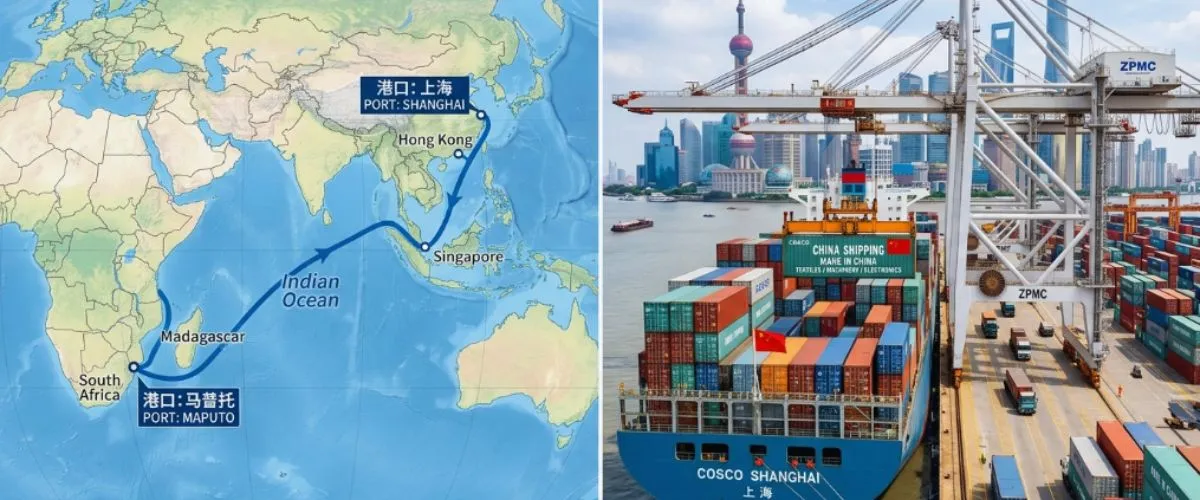
Transit times vary significantly based on shipping routes, vessel schedules, and seasonal factors affecting port operations. Direct services from Shanghai to Maputo typically require 20-24 days, while routes including intermediate stops in Singapore, Dubai, or South African ports extend transit times to 28-35 days. Importers should account for additional time during monsoon seasons when adverse weather conditions may delay vessel schedules or port operations.
Air freight provides expedited delivery for urgent shipments, high-value goods, or time-sensitive products requiring rapid market entry. Maputo International Airport handles cargo flights from major Chinese hubs, with typical transit times of 3-5 days including customs processing. However, air freight costs typically exceed ocean freight by 300-500%, making this option viable primarily for premium products with strong profit margins or emergency replacement shipments.
Consolidation services enable smaller importers to access competitive shipping rates by combining multiple shipments into shared containers. Professional freight forwarders coordinate consolidation schedules, documentation requirements, and destination handling, though importers sacrifice some control over timing and handling procedures. This approach proves particularly valuable for entrepreneurs testing new product lines or markets before committing to full container shipments.
Inland Transportation and Final Delivery
The Maputo Corridor represents Mozambique's most developed transportation network, connecting the Port of Maputo with major inland destinations through modern highway infrastructure and rail connections. Road transportation dominates inland logistics, with professional trucking companies providing container transport services throughout southern and central Mozambique. Journey times from Maputo to major cities range from 6-8 hours to Beira, 12-15 hours to Tete, and 18-24 hours to northern destinations depending on road conditions and seasonal factors.
Rail transportation offers cost advantages for bulk shipments and provides connectivity to landlocked neighboring countries through established corridor agreements. The Maputo-Johannesburg rail link facilitates efficient cargo movement to South African destinations, while the Beira railway connects central Mozambique with Zimbabwe and Zambia. However, rail infrastructure limitations may require advance booking and longer transit times compared to road transport options.
Warehouse and distribution capabilities vary significantly between urban centers and remote regions. Maputo and Beira offer modern logistics facilities with temperature-controlled storage, security systems, and inventory management services. Entrepreneurs should evaluate warehouse options based on their product requirements, target markets, and distribution strategies. Some importers establish regional distribution centers in major cities before implementing last-mile delivery networks reaching rural markets.
Security considerations impact transportation planning, particularly for high-value or easily marketable goods. Professional logistics providers implement GPS tracking, escort services, and secure compound facilities to minimize theft risks during inland transportation. This shipping China to Mozambique logistics guide recommends comprehensive insurance coverage protecting against transportation risks, theft, and damage during handling procedures. Rural delivery may require specialized local partnerships with established distribution networks and community relationships.
Cost Management and Financial Planning
Comprehensive cost analysis encompasses ocean freight charges, port handling fees, customs duties, inland transportation, and ancillary service charges that collectively determine total landed costs. Ocean freight rates fluctuate based on global shipping demand, fuel prices, and seasonal capacity constraints, requiring importers to obtain current quotations and consider rate protection strategies for ongoing supply chains. Port charges include terminal handling, container storage, and documentation processing fees that vary between facilities and cargo types.
Import duties and taxes represent substantial cost components calculated on CIF values including cargo value, insurance, and freight charges. Standard import duty rates range from 5-25% depending on product classification under Mozambique's tariff schedule, while VAT applies at 17% on the duty-inclusive value. Additional fees may include customs processing charges, inspection fees, and statistical taxes that collectively add 2-5% to total import costs.
Currency exchange rate fluctuations between Chinese Yuan, US Dollars, and Mozambican Metical create financial exposure requiring active management strategies. Many importers utilize forward contracts or currency hedging instruments to stabilize costs and improve financial planning accuracy. Banking relationships in both China and Mozambique facilitate efficient payment processing and trade finance solutions including letters of credit and trade financing facilities.
Hidden costs frequently impact inexperienced importers, including demurrage charges for delayed container collection, storage fees for extended port residence, and penalty assessments for documentation errors. Professional freight forwarders and customs brokers provide valuable expertise preventing common mistakes while ensuring compliance with evolving regulations. The most effective shipping China to Mozambique logistics guide strategies emphasize building relationships with reliable service providers who understand local conditions and maintain current regulatory knowledge.
Entrepreneurs should establish comprehensive budgeting frameworks accounting for seasonal variations, infrastructure constraints, and regulatory changes that may impact future shipments. Regular cost analysis and supplier negotiations help maintain competitive positioning while ensuring adequate profit margins throughout market development phases. Successful importers typically allocate 10-15% contingency reserves for unexpected costs or delays during their initial shipments while developing experience with Mozambican logistics procedures.