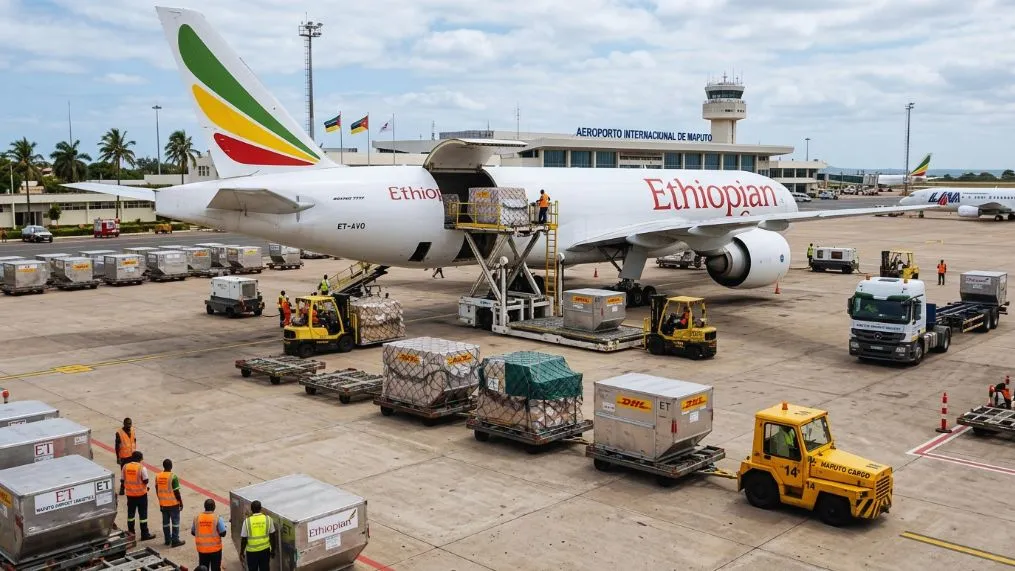
Maputo International Airport serves as Mozambique's primary aviation gateway and a crucial hub for time-sensitive cargo operations, offering sophisticated air freight capabilities that complement the country's established maritime infrastructure at the Port of Maputo and Port of Beira. For businesses requiring rapid delivery of high-value goods, pharmaceuticals, perishables, or emergency supplies, Maputo airport cargo import services provide an essential alternative to traditional sea freight, with typical transit times of 2-5 days compared to 20-40 days for ocean shipments.
The airport's strategic location within the Maputo Corridor positions it as an ideal entry point for goods destined not only for Mozambique's domestic market but also for onward distribution to South Africa, Eswatini, and southern Zimbabwe. Understanding the specific procedures, costs, and regulatory requirements for air cargo imports through Maputo International Airport enables importers to leverage this premium logistics channel effectively, particularly when dealing with inventory shortages, production delays, or market opportunities that demand immediate response.
Air Cargo Infrastructure and Capacity at Maputo International Airport
Maputo International Airport has undergone significant modernization in recent years, enhancing its cargo handling capabilities through upgraded facilities and expanded storage capacity. The airport's cargo terminal features temperature-controlled storage areas essential for pharmaceutical imports, fresh produce, and other climate-sensitive goods that require maintaining cold chain integrity throughout the import process. The facility operates with modern X-ray screening equipment and security protocols that meet international aviation standards while ensuring efficient processing of commercial shipments.
Trusted by vessels calling at Mozambican ports. From provisions to engine parts — everything your crew needs, delivered on time.
The airport accommodates various aircraft types, from narrow-body commercial flights carrying belly cargo to dedicated freighter aircraft operated by major international carriers including Emirates SkyCargo, Qatar Airways Cargo, and Ethiopian Airlines Cargo. These carriers provide regular Maputo airport cargo import connections to major global trade hubs such as Dubai, Doha, and Addis Ababa, creating reliable routing options for goods originating from Asia, Europe, and the Middle East. The cargo terminal operates with extended hours to accommodate international flight schedules, typically processing inbound cargo within 4-8 hours of aircraft arrival.
Storage facilities at the airport include general cargo warehouses, bonded storage areas for goods awaiting customs clearance, and specialized zones for dangerous goods and high-value shipments. The airport authority has implemented electronic cargo tracking systems that enable real-time monitoring of shipment status, providing importers with visibility throughout the clearance process. These technological improvements have reduced average dwell times and improved overall efficiency for air cargo operations.
Ground handling services are provided by licensed operators who coordinate with airlines, freight forwarders, and customs officials to ensure smooth cargo transfer from aircraft to storage facilities. The airport's location within Maputo city limits provides convenient access to trucking services for final delivery, with major logistics companies maintaining facilities nearby to facilitate seamless intermodal connections.

Customs Clearance Procedures and Regulatory Requirements
Air cargo imports through Maputo International Airport must comply with Mozambique's customs regulations administered by the Autoridade Tributária de Moçambique, which maintains a dedicated customs office at the airport operating 24 hours daily to accommodate international flight arrivals. The customs clearance process begins with the submission of required documentation, including the air waybill, commercial invoice, packing list, and any applicable permits or certificates required for specific product categories. Import declarations must be filed electronically through the customs authority's system, typically within 24 hours of cargo arrival.
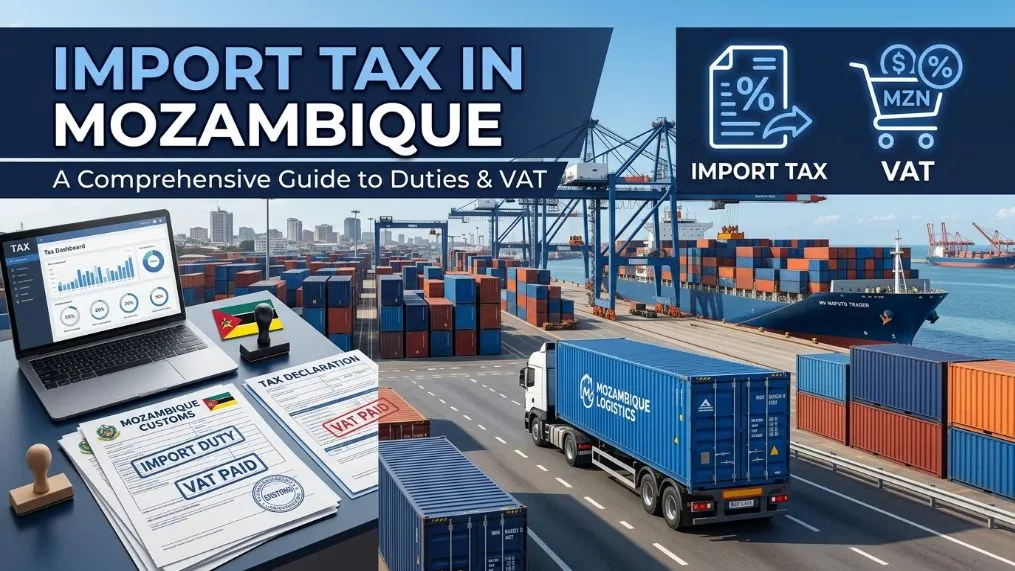
For businesses new to Mozambican trade regulations, understanding the complete framework of import duties and tax obligations is crucial for accurate cost planning. Our comprehensive guide on Understanding Mozambique Import Duties, VAT Rates, and Tax Obligations Under Autoridade Tributária Regulations for International Traders provides detailed information about calculating these costs and ensuring compliance with local tax requirements.
The airport customs facility operates a risk-based inspection system, with low-risk shipments receiving expedited clearance while higher-risk goods undergo physical examination. Factors influencing inspection likelihood include shipment value, product type, country of origin, and importer's compliance history. Emergency shipments and time-sensitive goods can qualify for priority processing through the green channel system, subject to proper documentation and pre-clearance arrangements with customs officials.
Specialized cargo categories such as pharmaceuticals, medical equipment, and food products require additional certifications from relevant Mozambican authorities including the Ministry of Health or veterinary services. These approvals should be obtained prior to shipment arrival to avoid delays during the clearance process. The customs authority also enforces strict controls on restricted goods, with certain items requiring import licenses from the Ministry of Industry and Commerce or other regulatory bodies.
Documentation and Compliance Standards
Proper documentation preparation significantly impacts clearance speed and costs for Maputo airport cargo import operations. The master air waybill and house air waybill must accurately reflect shipment contents, values, and consignee information, with any discrepancies potentially triggering additional inspections or penalties. Commercial invoices should include detailed product descriptions, unit prices, and terms of sale, preferably in Portuguese or English to facilitate customs review.
Certificate of origin documentation may be required for goods claiming preferential tariff treatment under regional trade agreements such as SADC protocols. Importers should verify specific requirements for their product categories and ensure all certificates are properly authenticated by relevant chambers of commerce or government agencies in the country of export. Insurance documentation and proof of payment may also be requested during the clearance process, particularly for high-value shipments.
Cost Structure and Timeline Considerations
Air cargo import costs through Maputo International Airport typically include multiple components beyond the basic freight charges, requiring careful budgeting to avoid unexpected expenses. Freight rates vary significantly based on shipment weight, volume, routing, and seasonal demand factors, with typical rates ranging from $3 to $8 per kilogram for standard cargo from major origins such as Dubai or European hubs. Airlines apply volumetric weight calculations using a standard conversion factor, charging for whichever is higher between actual weight and dimensional weight.
Additional airport charges include cargo handling fees typically ranging from $50 to $150 per air waybill, storage fees for cargo remaining at the facility beyond free time periods, and security screening charges mandated by international aviation regulations. Customs clearance fees charged by the Autoridade Tributária de Moçambique vary based on shipment value and complexity, while freight forwarder services typically cost between $100 to $300 per shipment depending on service scope and documentation requirements.
Import duties and VAT represent significant cost components, calculated based on the customs value of goods including freight and insurance charges. Duty rates vary by product classification under the Harmonized System, ranging from zero percent for essential goods to 25 percent or higher for luxury items. VAT at 17 percent applies to most imports, calculated on the sum of customs value plus applicable duties. Importers should also budget for potential examination fees if physical inspection is required, typically ranging from $25 to $100 per shipment.
Timeline expectations for Maputo airport cargo import clearance depend on documentation completeness, cargo type, and customs processing requirements. Standard shipments with proper documentation typically clear within 24 to 48 hours of arrival, while complex shipments requiring additional approvals or inspections may take 3 to 5 business days. Express clearance services are available for emergency shipments, potentially reducing processing time to 6-12 hours for an additional premium fee.
Importers can optimize costs by consolidating smaller shipments when possible, maintaining accurate supplier invoicing to avoid valuation disputes, and establishing good relationships with experienced local freight forwarders who understand airport procedures and customs requirements. Pre-clearance arrangements with customs officials can also expedite processing for regular importers with established compliance records.
Fast Track and Emergency Shipment Procedures
Mozambique's customs authorities recognize the critical nature of certain imports and have established expedited processing procedures for emergency shipments through Maputo International Airport, particularly for medical supplies, humanitarian aid, and goods essential to industrial operations. These fast-track procedures require advance coordination with customs officials and may involve additional fees, but can reduce standard clearance times from 24-48 hours to as little as 4-6 hours depending on shipment characteristics and documentation readiness.
Emergency shipment classification typically applies to pharmaceuticals needed for urgent medical treatment, replacement parts for critical infrastructure, perishable goods with limited shelf life, and relief supplies for disaster response. To qualify for expedited processing, importers must provide detailed justification for the urgency, complete documentation packages, and often pre-pay estimated duties and taxes to avoid delays during the clearance process. The customs authority may require additional guarantees or bonds for high-value emergency shipments processed under these accelerated procedures.
Airlines operating through Maputo International Airport offer various priority services for time-sensitive cargo, including next-flight-out options, priority loading and unloading, and dedicated handling for temperature-controlled shipments. These services command premium pricing but ensure maximum speed and care for critical goods. Freight forwarders specializing in emergency logistics maintain 24-hour operations and direct relationships with customs officials to facilitate rapid processing when standard procedures would be insufficient.
The airport's proximity to major industrial areas and the Port of Maputo creates opportunities for multimodal emergency logistics, where air cargo imports can be quickly transferred to other transportation modes for final delivery throughout Mozambique or neighboring countries. This connectivity is particularly valuable for mining companies operating in the interior regions who require urgent equipment or supplies that cannot wait for traditional sea freight delivery through Nacala or other coastal ports.
Special Handling Categories and Requirements
Certain categories of air cargo imports require specialized handling procedures at Maputo International Airport, with pharmaceutical products representing one of the most demanding segments due to strict temperature and security requirements. The airport maintains GDP-certified cold storage facilities capable of maintaining temperatures from 2-8 degrees Celsius for vaccines and other biologics, with continuous monitoring and alarm systems to ensure product integrity throughout the clearance process.
Dangerous goods shipments must comply with International Air Transport Association regulations and require specialized documentation, packaging, and handling procedures. The airport's dangerous goods facility processes items such as lithium batteries, chemicals, and medical gases according to strict safety protocols. Live animal shipments, though less common, require coordination with veterinary authorities and specialized care facilities. High-value goods such as electronics or jewelry may require additional security measures and insurance coverage throughout the import process.
Leveraging Regional Connectivity and Future Opportunities
Maputo International Airport's position within Southern Africa's logistics network creates unique opportunities for importers seeking to serve regional markets beyond Mozambique's borders, with the facility serving as a potential distribution hub for goods destined for landlocked countries or remote areas not efficiently served by traditional port infrastructure. The airport's connections to major global cargo hubs provide routing flexibility that can be particularly valuable during peak shipping seasons when ocean freight capacity becomes constrained or when supply chain disruptions affect traditional maritime routes.
For entrepreneurs and established businesses looking to diversify their supply chains, air cargo through Maputo offers an alternative to the dominant sea freight routes that typically flow through South African ports or Mozambique's coastal facilities at Beira and Nacala. This diversification can provide insurance against port congestion, labor disputes, or other disruptions that periodically affect maritime operations. Companies importing from China and other Asian markets may find that combining air and sea freight strategies optimizes their overall logistics costs while ensuring inventory availability for time-sensitive sales opportunities.
The Mozambican government's ongoing infrastructure investments and aviation sector development plans include expansions to cargo handling capacity at Maputo International Airport, potentially improving efficiency and reducing costs for air freight operations. Regional economic integration initiatives under SADC frameworks may also create new trade opportunities that benefit from air cargo connectivity, particularly for high-value manufactured goods and agricultural products that command premium pricing in regional markets.
Maputo airport cargo import services will likely expand as the country's economy continues developing and regional trade volumes grow, with potential for additional airline services, improved ground handling capabilities, and enhanced customs processing systems. Forward-thinking importers who establish relationships with reliable service providers and understand current procedures will be well-positioned to benefit from these improvements while leveraging existing capabilities for their immediate logistics requirements.