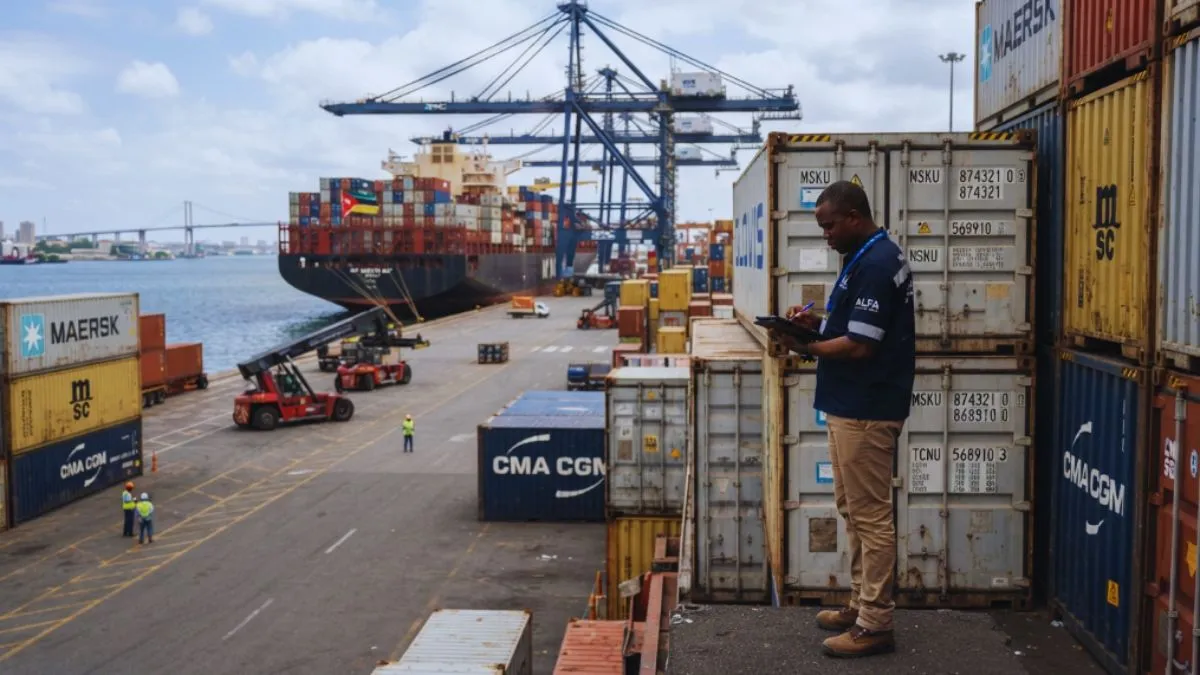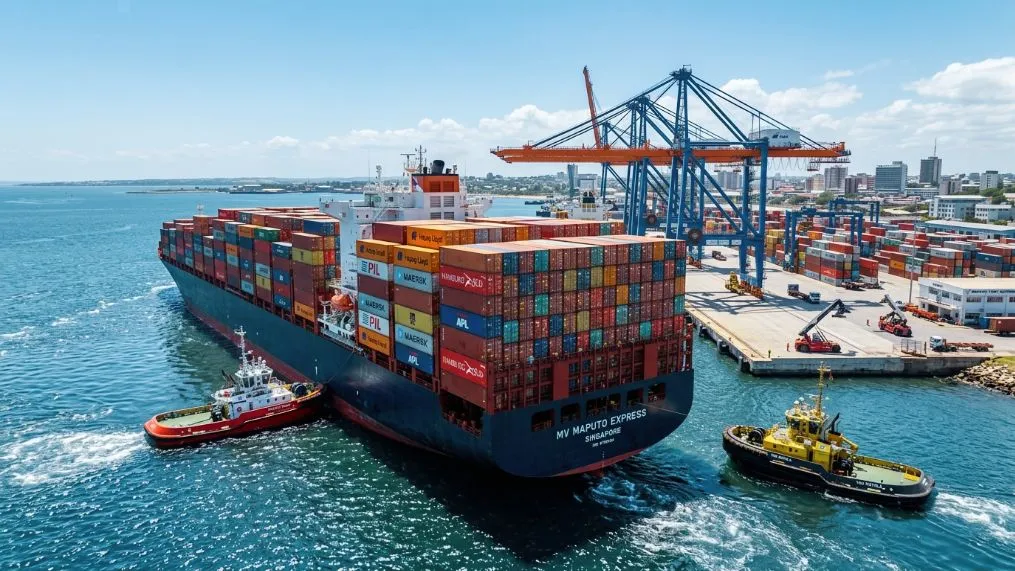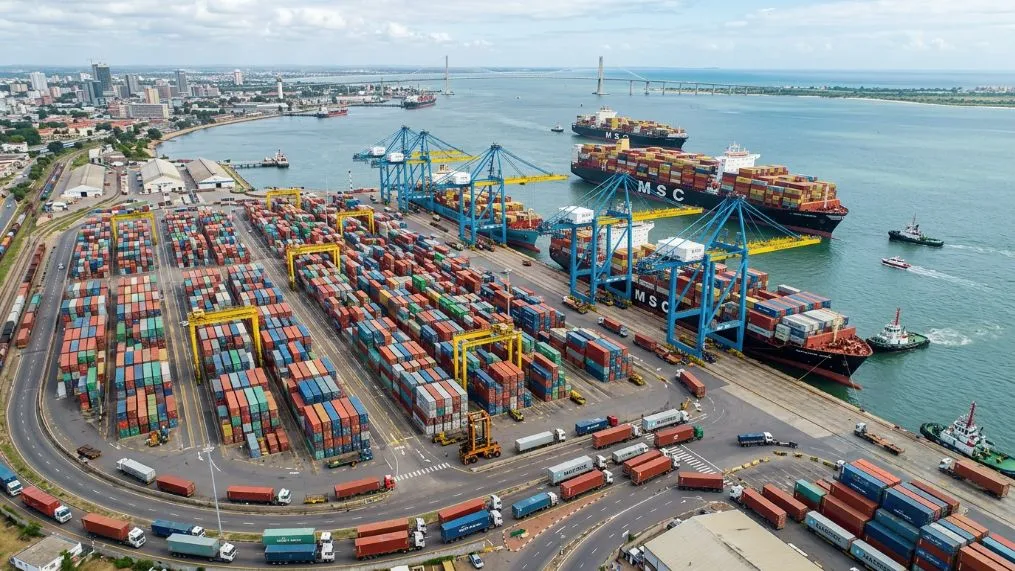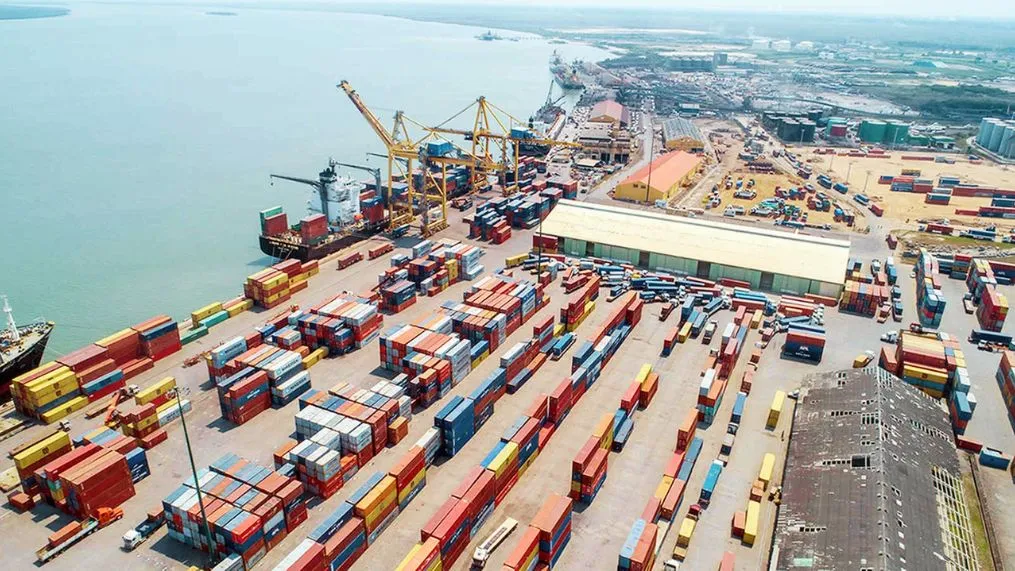
Anyone who has spent time at the Port of Maputo during peak mining season knows the challenge of selecting the right shipping partner. With containers stacking up and demurrage costs mounting at USD 25-50 per day, choosing a carrier based solely on ocean freight rates can be an expensive mistake. We've seen too many importers overlook that some shipping lines have poor connections to our smaller ports, resulting in transshipment delays and hidden costs that can double total logistics expenses. Understanding which companies offer reliable services across our three major ports—Maputo, Beira, and Nacala—is crucial for successful trade operations in Mozambique.
Leading International Shipping Lines Serving Mozambique
The backbone of our international shipping connectivity comes through five major carriers that maintain regular services to our primary ports. Maersk Line operates the most comprehensive network, with weekly services connecting Maputo and Beira to their global hub in Durban, South Africa. Their reliability becomes particularly valuable during our cyclone season when schedule consistency matters most for supply chain planning.
MSC (Mediterranean Shipping Company) has significantly expanded their presence in our market, offering competitive rates and good coverage across all three major ports. Their strength lies in connecting our ports to Asian markets, which is crucial given that over 60% of our import volume originates from China and Southeast Asia. We've found their local agents in Maputo to be particularly responsive during customs clearance challenges.
Trusted by vessels calling at Mozambican ports. From provisions to engine parts — everything your crew needs, delivered on time.
CMA CGM provides reliable service through their Southern Africa network, with particular strength in handling project cargo and oversized shipments. Their agents understand the complexities of our MCNET electronic submission system, which can save importers significant time and demurrage costs. Given that the Port of Maputo handles 200,000 TEU annually with expansion to 450,000 TEU planned, having carriers that can scale with our growth is essential.
Hapag-Lloyd and COSCO Shipping round out our top international carriers, each bringing specific regional strengths. Hapag-Lloyd excels in European connections and maintains good relationships with our customs authorities, while COSCO provides cost-effective options for high-volume Asia trade. Port handling charges across our facilities range from USD 150-300 per TEU depending on service level, making carrier choice a significant cost factor for regular importers.
Regional and Coastal Shipping Operators
Our domestic and regional shipping landscape includes several specialized operators that understand the unique challenges of operating in Mozambican waters. Grindrod Shipping stands out as a regional player with deep knowledge of our port systems and strong relationships with stevedoring companies. Their experience becomes invaluable when dealing with the seasonal variations that affect our ports, particularly during the cyclone season from November to April.
The Port of Beira, handling approximately 120,000 TEU annually through Cornelder de Moçambique operations, requires carriers with specific expertise in cyclone-resilient logistics planning. Regional operators often provide better flexibility during weather-related disruptions, offering alternative routing through different ports when primary channels face delays.
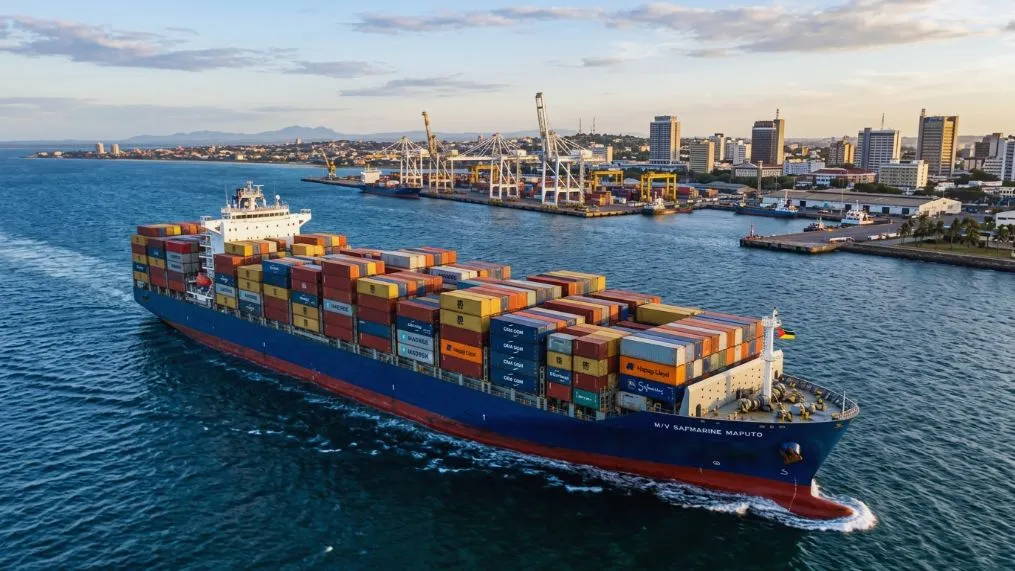
Safmarine, as part of the Maersk group, bridges the gap between international and regional services with particular strength in the southern Africa trade corridors. Their understanding of the Maputo-Johannesburg corridor, covering 550 kilometers with typical transit times of 48-72 hours, makes them valuable for time-sensitive cargo moving through the Ressano Garcia border crossing.
The Port of Nacala's deep water capacity, with 14-meter draft capability handling vessels up to 100,000 DWT, attracts specialized bulk carriers and project cargo operators. These niche players often provide better service for specific cargo types than the large container lines, particularly for mining equipment and industrial machinery that forms a significant portion of our import portfolio.
Freight Forwarding and Logistics Integrators
When asking what are the top 5 shipping companies in mozambique, we must include the comprehensive logistics providers who handle end-to-end supply chain management. DHL Global Forwarding and Kuehne + Nagel lead this category with established networks across all our major commercial centers and deep expertise in navigating our regulatory environment.
These integrators prove their value through their understanding of our customs clearance processes, which typically take 3-7 days for standard cargo with proper documentation at Maputo. However, we've seen cases where containers sit for weeks due to incomplete MCNET electronic submissions, with demurrage costs mounting while shippers struggle with digital platform requirements. Understanding Mozambique's import compliance requirements becomes crucial for successful operations.
Bollore Logistics brings particular strength in West and Central Africa connections, while maintaining solid operations in our market. Their integrated approach combining shipping, port handling, and inland transportation helps address the challenge of limited rail capacity that affects cargo movement from our ports to interior destinations.
Local players like Mozline and established regional offices of international forwarders offer the advantage of relationships with licensed clearing agents who maintain MCNET access. These relationships can reduce container dwell time by 40-60% through pre-clearance of documentation before vessel arrival, directly impacting the bottom line for regular importers.
Choosing the Right Shipping Partner
Service reliability trumps low ocean freight rates when operating in our challenging environment. We recommend evaluating carriers based on their schedule consistency during our cyclone season and their ability to provide alternative routing when primary ports face congestion. The reality at Ressano Garcia border, handling 60% of cross-border truck traffic, means that delays cascade through the entire supply chain.
Local agent networks make the difference between smooth operations and costly delays. Carriers with established relationships at our ports understand the nuances of working with CFM (Portos e Caminhos de Ferro de Moçambique) and can navigate the complexities that arise during peak export seasons when mining cargo creates congestion at Maputo and Nacala.
Cost transparency extends beyond ocean freight to include the full landed cost calculation. Understanding import duties and fees helps in total cost evaluation, but hidden charges from poorly connected carriers can eliminate any savings from lower freight rates. We've seen cases where transshipment costs and delays doubled the expected logistics budget.
Technology capabilities matter increasingly in our digitizing trade environment. Carriers that integrate well with our Janela Única Electrónica system and provide real-time tracking help importers maintain better inventory planning and reduce working capital tied up in slow-moving shipments.
Working Effectively with Mozambican Shipping Services
Success in our market requires understanding seasonal patterns that affect all shipping operations. Peak mining export seasons create port congestion that can extend customs clearance times significantly beyond the standard 3-7 day timeframe. Experienced freight forwarders recommend submitting MCNET declarations at least 5 working days before vessel arrival to avoid storage charges that escalate after the 7-day free period.
Building relationships with local agents pays dividends when problems arise. The complexity of our regulatory environment, combined with occasional system outages in digital platforms, means having advocates who can physically visit customs offices and port authorities becomes invaluable for time-sensitive shipments.
Understanding ocean freight procedures specific to our ports helps in selecting appropriate carriers and service levels. The investment in establishing proper documentation processes and agent relationships typically pays for itself within the first few shipments through reduced delays and demurrage charges.
Capacity planning becomes critical during harvest seasons and holiday periods when available space on vessels decreases while demand increases. The carriers that communicate capacity constraints in advance and offer booking guarantees provide significant operational advantages for businesses with regular import requirements. Working with multiple approved carriers ensures backup options when primary choices face capacity or schedule disruptions.
Selecting shipping partners for Mozambican trade requires balancing cost, reliability, and local expertise rather than focusing solely on freight rates. The carriers and logistics providers that understand our unique challenges—from MCNET compliance to seasonal port congestion—deliver better value through reduced delays and unexpected costs. Avoiding common importing mistakes starts with choosing partners who combine global networks with deep local knowledge of our evolving trade environment.