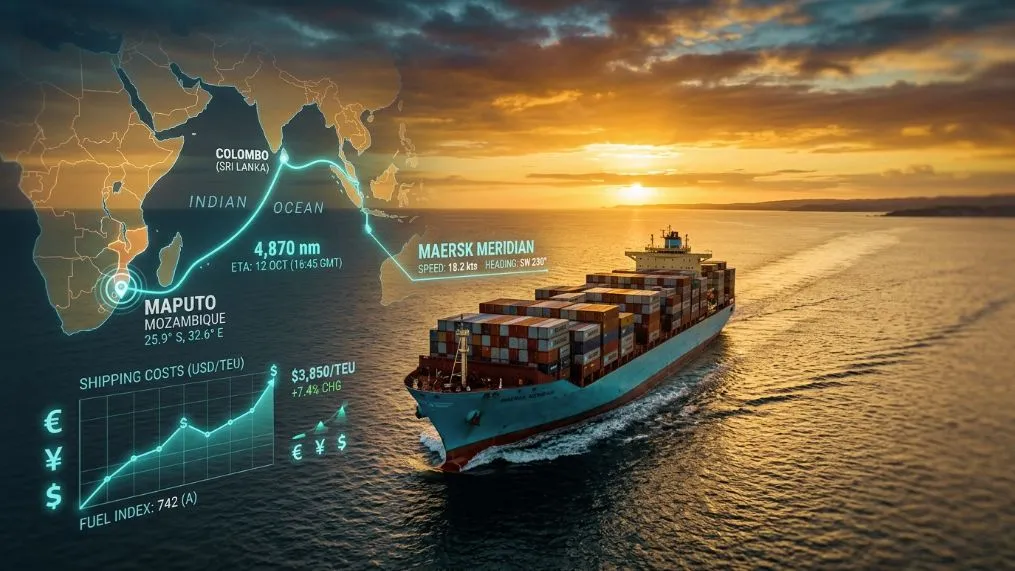
Anyone who has watched containers stack up at Maputo Port during peak season knows that understanding freight rates Mozambique container cost 2026 involves much more than the basic ocean freight quote. We've seen importers receive their initial shipping estimates, only to discover that port handling charges, customs duties, and seasonal surcharges can add 40-60% to their total logistics budget. With Mozambique's expanding port capacity and evolving trade corridors, getting accurate cost projections requires understanding how our ports operate, where hidden charges emerge, and which factors will shape pricing throughout 2026.
Understanding Mozambique Container Shipping Costs Breakdown
When we break down container shipping costs to Mozambique, the ocean freight rate represents just the foundation of your total expense. Base rates from major origins like Dubai, Singapore, and European ports typically range from USD 1,200 to USD 2,800 per TEU, depending on the trade lane and seasonal capacity. However, these rates fluctuate significantly based on fuel adjustments, peak season surcharges, and equipment availability at origin ports.
At our ports, handling charges form a substantial part of your budget. Beira Port charges USD 185-220 per TEU for container handling plus USD 45 in gate fees, according to Cornelder Beira Terminal's published tariff schedule. These charges cover crane operations, yard storage, and basic port services, but additional fees apply for oversized cargo, hazardous materials, or extended storage beyond the standard free time period.
Trusted by vessels calling at Mozambican ports. From provisions to engine parts — everything your crew needs, delivered on time.
Currency fluctuation adds another layer of complexity to cost planning. While most international freight contracts price in USD, local charges often fluctuate with the Metical exchange rate. We've observed that a 10% MZN depreciation can increase your local cost components by 8-12%, affecting everything from clearing agent fees to inland transport rates. Smart importers hedge these risks by securing fixed-rate agreements with local service providers or building currency buffers into their budgets.
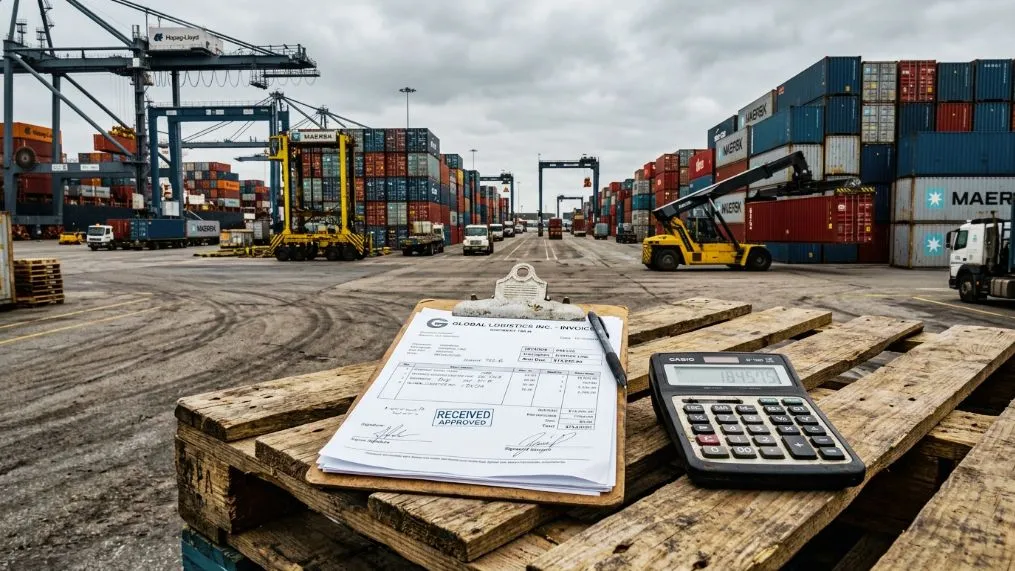
Documentation and administrative fees, while smaller individually, accumulate quickly. Bill of lading fees, customs declaration processing, MCNET system charges, and clearing agent commissions typically add USD 150-300 per container. Understanding the complete shipping process helps importers anticipate these charges and avoid last-minute surprises that can strain cash flow during peak shipping periods.
Port Selection Impact on Your Total Freight Budget
Choosing between Maputo, Beira, and Nacala significantly affects your total logistics spend, and the decision extends far beyond basic port charges. Maputo Port handles 70% of our container traffic and offers the most frequent shipping services, with capacity expanded from 300,000 TEU annually to 450,000 TEU through recent CFM and Maputo Port Development Company investments. This expanded capacity reduces congestion-related delays, but Maputo's popularity means higher port charges and limited negotiating power during peak periods.
Nacala Port presents an interesting alternative with its 14.5-meter draft depth and 250,000 TEU annual capacity, making it attractive for larger vessels seeking cost efficiencies. However, limited container handling equipment and developing inland connectivity mean that while your ocean freight might be lower, inland transport costs can offset these savings. Comparing central Mozambique port options reveals that total landed costs, not just port charges, should drive your decision.
Inland connectivity costs vary dramatically by port selection. From Maputo, road transport to Johannesburg costs USD 2,800-3,200 per 40ft container, reflecting the port's excellent infrastructure but competitive regional rates. The Beira Corridor, spanning 515km inland, serves Zimbabwe and Malawi trade but faces railway capacity limitations that create rate fluctuations between road and rail options. During railway maintenance periods, road transport premiums can increase by 25-35%.
Port efficiency directly impacts your working capital through storage and demurrage charges. Maputo's congestion during peak seasons from November to February stems from limited yard space and truck scheduling conflicts, while Beira and Nacala typically maintain smoother operations but with fewer service options. We calculate that choosing a less congested port can save USD 200-500 per container in avoided delays and premium charges, even if the base port handling fee is slightly higher.
Hidden Costs and Additional Charges to Factor In
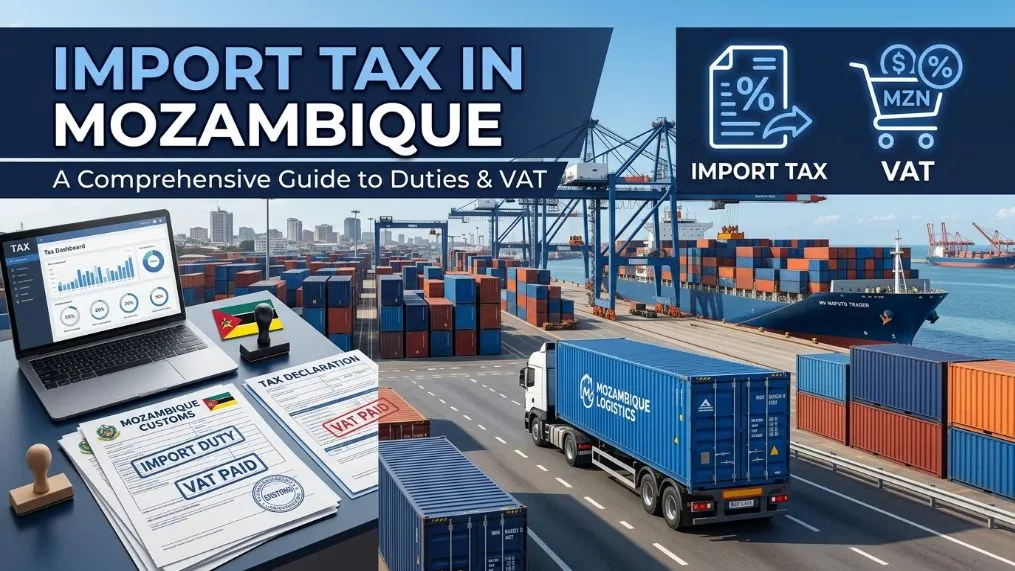
Import duties and taxes represent your largest non-freight expense, calculated on CIF value plus 17% VAT, customs duty ranging from 0-25% based on HS code classification, and 2% withholding tax according to Decreto 18/2021 customs tariff regulations. What catches many importers off-guard is how classification disputes or missing documentation can trigger penalty assessments that double or triple expected duty payments. We've seen containers held for weeks while importers resolve HS code disagreements, accumulating storage charges throughout the process.
Demurrage and detention charges escalate quickly beyond free time allowances. At Maputo Port, storage charges reach USD 75 per day after the initial 7-day free period, while container detention with shipping lines typically costs USD 100-150 daily once free time expires. These charges compound during customs delays, equipment shortages, or when consignees struggle to arrange inland transport during peak periods.
Customs clearance at Maputo requires 3-7 working days for standard cargo, reducing to 1-2 days for pre-cleared goods processed through MCNET according to Autoridade Tributária de Moçambique processing standards. However, physical inspections, laboratory testing for certain commodities, or incomplete documentation can extend clearance to 2-3 weeks. Each delay day adds storage costs while tying up working capital in unproductive inventory.
Documentation and professional service fees vary significantly by complexity and service provider quality. Basic clearing agent fees range from USD 200-500 per container, but specialized cargo, multiple permits, or expedited processing can push these costs to USD 800-1,200. Certificate verification, SANAS compliance checks, and permit applications each carry separate fees that experienced forwarders factor into their quotes but newcomers often discover after commitment.
Seasonal Patterns and Market Factors Affecting 2026 Rates
Peak season patterns in Mozambique follow both international shipping cycles and local agricultural seasons, creating predictable but significant rate variations throughout 2026. International peak season from September through January coincides with our import surge before the festive season, when capacity constraints can increase freight rates by 30-50% above base levels. Container equipment shortages during these periods force importers to accept premium rates or delay shipments to off-peak periods.
Regional trade corridor developments significantly impact freight economics. The Beira Corridor faces railway capacity limitations that create bottlenecks during Zimbabwe's tobacco and mineral export seasons, while Ressano Garcia border post experiences truck queues of 2-3 days during peak periods. These infrastructure constraints translate into higher inland transport costs and longer transit times that affect inventory planning and working capital requirements.
Port infrastructure improvements scheduled throughout 2026 will gradually ease capacity constraints but may create short-term disruptions. Maputo Port's ongoing expansion work occasionally limits crane availability, while Nacala's equipment upgrades improve efficiency but require service interruptions during installation periods. Smart importers monitor these development schedules and adjust shipping timing to avoid construction-related delays and surcharges.
Currency volatility and fuel price fluctuations add unpredictability to rate forecasting. Global fuel price changes typically adjust freight rates quarterly through bunker adjustment factors, while regional political developments can trigger rapid Metical depreciation that increases local cost components. We recommend building 8-12% contingency margins into 2026 budgets to accommodate these market variables without disrupting supply chain operations.
Smart Strategies to Optimize Your Container Shipping Costs
Pre-clearance through MCNET represents the most effective strategy for controlling customs-related costs and delays. Proper documentation preparation and MCNET submission at least 48 hours before vessel arrival allows customs processing during ocean transit, eliminating port storage charges during clearance. Experienced freight forwarders report 60-80% reduction in total clearance time using this approach compared to traditional post-arrival processing.
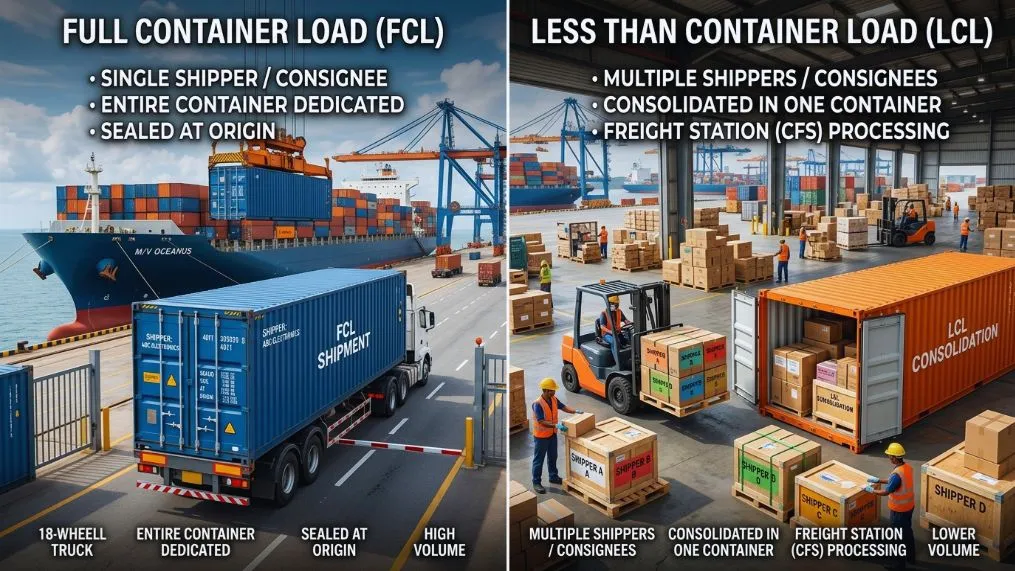
Consolidation strategies depend heavily on your cargo volume and frequency patterns. Full container loads (FCL) become cost-effective above 15-18 cubic meters for most trade lanes, while less-than-container-load (LCL) shipments benefit from consolidation with reliable partners. However, LCL cargo faces additional handling charges and longer clearance times at destination, so the total cost comparison must include these operational factors beyond basic freight rates.
Seasonal shipping optimization requires balancing inventory costs against freight rate fluctuations. Importing during off-peak periods from February through June typically saves 20-30% on ocean freight, but higher inventory carrying costs and market timing risks must offset these savings. Successful importers develop annual shipping calendars that optimize total landed costs rather than focusing solely on freight rate minimization.
Local partner selection critically affects both costs and service reliability. Choosing experienced shipping companies and freight forwarders with strong MCNET capabilities, established port relationships, and transparent pricing structures prevents the costly mistakes that newcomers face. We recommend evaluating partners based on total service costs including problem resolution capabilities, not just quoted handling fees.
Understanding freight rates Mozambique container cost 2026 requires analyzing total landed costs rather than focusing solely on ocean freight quotes. With proper planning, documentation preparation, and strategic partner selection, importers can control most variable costs while building sustainable supply chain operations that adapt to our evolving port infrastructure and trade corridor developments.