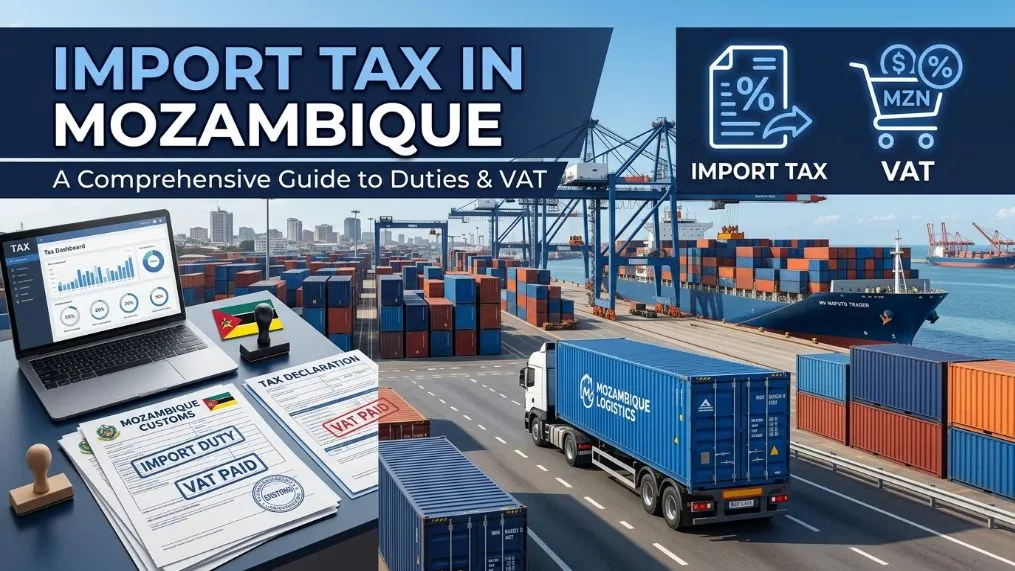
When your container finally arrives at Maputo Port after weeks at sea, the real cost calculation begins. Beyond the ocean freight and handling charges lies a complex web of import taxes, customs duties, and administrative fees that can significantly impact your total landed costs. Understanding these charges before your goods arrive is essential for accurate budgeting and avoiding the delays that come with incomplete documentation or miscalculated duty payments.
Understanding Mozambique's Import Tax Structure
Import tax in Mozambique operates through a multi-layered system where customs duties form just the foundation of your total tax obligation. The Autoridade Tributária applies customs duties based on the CIF (Cost, Insurance, Freight) value of your goods, which includes the product cost, international shipping charges, and insurance coverage. This base calculation then cascades through additional taxes and levies.
Value Added Tax represents the most significant additional cost at 17% calculated on the CIF value plus any customs duties already applied. This means VAT compounds the total tax burden rather than simply adding to it. For example, if your goods attract 10% customs duty, the VAT calculation base includes that duty amount, effectively increasing your total tax rate beyond the simple addition of percentages.
Trusted by vessels calling at Mozambican ports. From provisions to engine parts — everything your crew needs, delivered on time.
Beyond these standard charges, specific product categories attract excise taxes that can dramatically alter your cost structure. Anyone importing vehicles faces an additional 10% excise tax, while alcoholic beverages carry a substantial 75% excise rate, and tobacco products face the highest burden at 250%. These rates apply before VAT calculation, creating a compounding effect that requires careful pre-import planning.
Administrative fees and inspection charges add another layer to consider. Our experience working with customs clearance shows that these seemingly minor charges can accumulate quickly, particularly when goods require physical examination or specialized documentation verification. The key lies in understanding which products trigger additional scrutiny and planning accordingly.
Customs Duties and Preferential Trade Agreements
Mozambique's customs duty structure varies significantly based on product classification and country of origin. Standard Most Favored Nation (MFN) rates apply to imports from non-preferential countries, with rates typically ranging from 2.5% for essential raw materials to 20% for finished consumer goods. The specific rate depends on the Harmonized System (HS) code classification, making accurate product classification crucial for cost control.
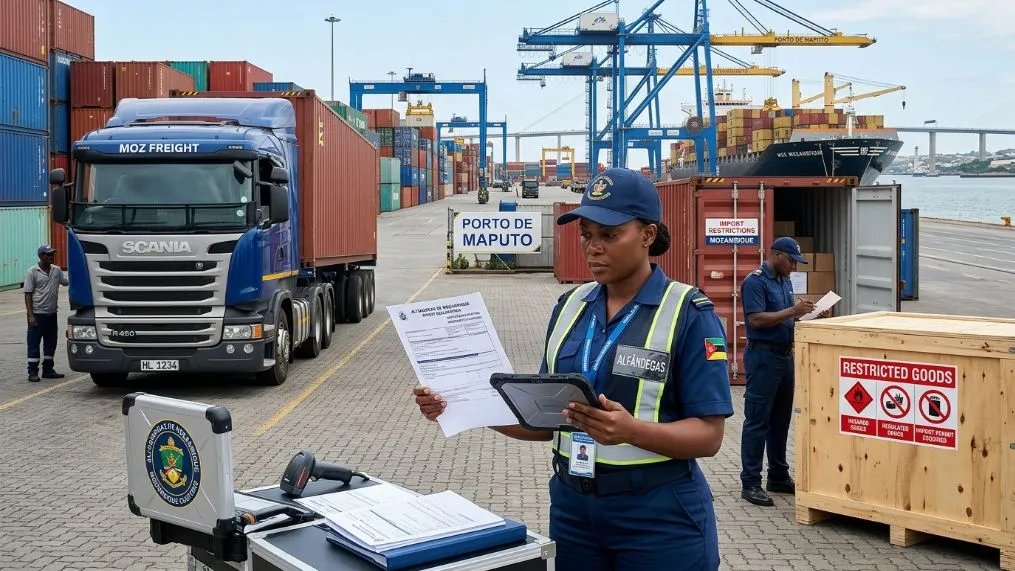
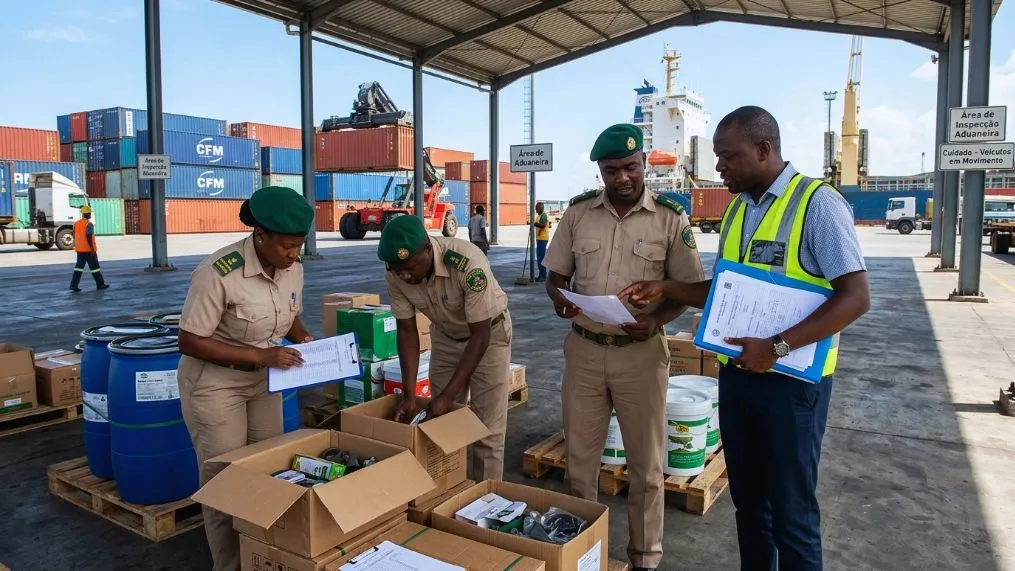

The Southern African Development Community (SADC) agreement offers substantial duty reductions for qualifying goods. SADC preferential rates range from 0-25%, often providing significant savings compared to MFN rates. However, accessing these benefits requires proper documentation proving SADC origin and compliance with rules of origin requirements. We've seen importers lose thousands of dollars by failing to properly claim SADC preferences due to incomplete certificates of origin.
Rules of origin requirements under SADC demand careful attention to manufacturing processes and component sourcing. For goods to qualify for preferential treatment, they must undergo substantial transformation within SADC member states or contain sufficient regional value addition. Understanding these requirements and optimizing your supply chain can deliver considerable cost savings, particularly for regular import operations.
Other preferential agreements, including those with the European Union and various bilateral arrangements, provide additional opportunities for duty reduction. However, each agreement carries specific requirements and documentation standards that must be met to access the benefits. Working with experienced clearing agents familiar with these agreements becomes essential for maximizing available savings.
VAT Calculation and Additional Import Levies
VAT on imports follows a specific calculation methodology that often surprises new importers. The 17% VAT rate applies to the sum of CIF value plus all applicable customs duties and excise taxes, creating a compounding effect that increases the effective tax rate. This calculation method means that higher customs duties directly increase your VAT liability, making preferential duty rates even more valuable.
Excise taxes apply to specific product categories before VAT calculation, significantly impacting certain imports. Vehicle imports face the 10% excise rate, which applies to the CIF value and then becomes part of the VAT calculation base. This creates an effective combined rate higher than simply adding the percentages. For businesses importing multiple vehicles, understanding this calculation becomes crucial for accurate pricing and profitability analysis.
Alcoholic beverage imports encounter some of the highest effective tax rates in our import regime. The 75% excise tax on alcoholic beverages applies before VAT calculation, creating a substantial cost burden that requires careful market analysis to determine viability. Similarly, tobacco product imports face the 250% excise rate, making these among the most heavily taxed import categories.
Environmental levies and other special charges may apply to specific product categories, particularly electronics, vehicles, and industrial equipment. These charges vary by product type and environmental impact assessment, adding another layer of complexity to total cost calculation. New importers often overlook these additional charges, leading to budget overruns and delayed clearance when payments fall short.
Documentation Requirements and MCNET Procedures
Successful customs clearance requires a minimum of 8 essential documents, including commercial invoices, packing lists, bills of lading, and SOLAS certificates for containerized cargo. Each document serves a specific purpose in duty assessment and risk management, with incomplete or inaccurate documentation leading to delays and additional examination fees. The commercial invoice particularly requires detailed product descriptions, accurate HS code classification, and proper valuation to avoid disputes during clearance.
The MCNET electronic system handles customs declarations and facilitates communication between importers, agents, and customs authorities. Proper MCNET procedures require submitting accurate declarations with supporting documentation before goods arrive. However, system downtimes and integration issues occasionally disrupt the clearance process, making contingency planning essential for time-sensitive shipments.
Pre-arrival declaration submission through MCNET can significantly reduce clearance times and avoid storage charges. Experienced clearing agents recommend submitting declarations at least 48 hours before vessel arrival to allow sufficient processing time. This advance preparation becomes particularly important during peak seasons when port congestion at Maputo can extend clearance times beyond normal expectations.
Risk management protocols may trigger physical inspections that add 3-5 days to clearance times and incur examination fees of approximately USD 150-300. While random selection cannot be avoided, maintaining detailed technical specifications, accurate product descriptions, and consistent documentation practices can reduce the likelihood of additional scrutiny. Building relationships with experienced clearing agents familiar with customs procedures also helps navigate inspection processes efficiently.
Cost Management and Clearance Optimization
Calculating total landed costs requires accounting for all tax components, port charges, and potential delay costs. Many importers underestimate final costs by focusing only on basic duty rates while overlooking VAT compounding effects, excise taxes, and administrative fees. Customs clearance typically requires 3-7 working days for standard declarations, but physical inspections, documentation issues, or system problems can extend this timeline significantly.
Port storage charges add pressure to complete clearance quickly, with fees ranging from USD 2-5 per ton per day after the free storage period. At Maputo Port, containers generally receive 7 days free storage, after which demurrage costs accumulate rapidly. During peak seasons or when port congestion occurs, these charges can become substantial, making efficient clearance procedures essential for cost control.
Working effectively with clearing agents requires understanding their role in duty optimization and compliance management. Experienced agents provide valuable guidance on product classification, preferential duty claims, and documentation requirements. They also maintain relationships with customs officials that can facilitate smoother clearance processes, particularly when issues arise requiring interpretation or clarification.
Building contingency time and costs into import planning protects against unexpected delays and charges. Whether shipping FCL or LCL cargo, allowing extra time for clearance and maintaining reserve funds for additional charges prevents rushed decisions that can lead to compliance problems or unnecessary costs. Regular importers benefit from developing standard procedures and maintaining detailed records to streamline future clearances.
Understanding Mozambique's import tax structure, from basic duties through VAT calculations to specialized levies, enables accurate cost planning and efficient clearance procedures. Success requires attention to documentation details, proper use of preferential agreements, and realistic timeline planning that accounts for potential delays and additional charges.