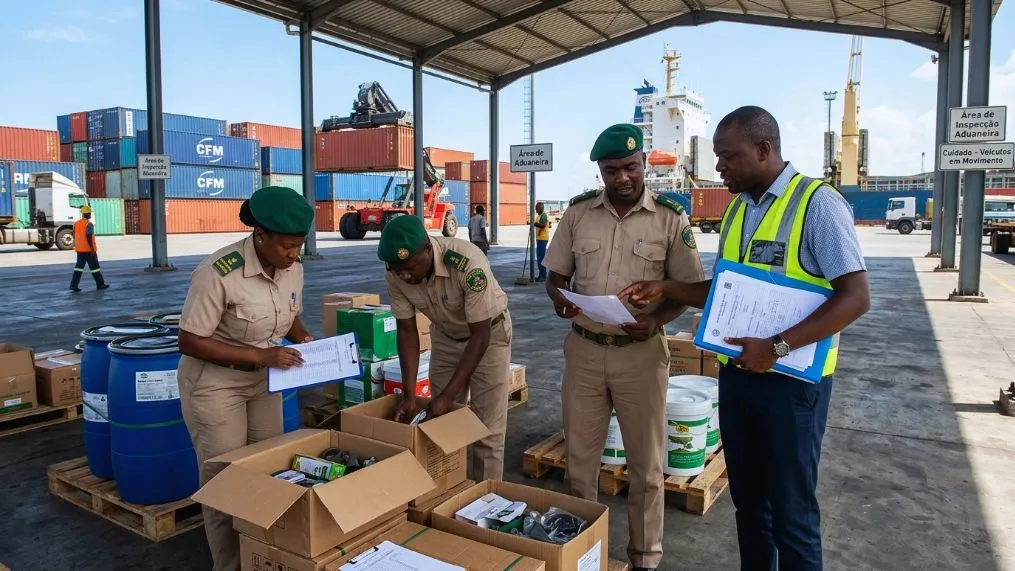
When your container arrives at Maputo Port and sits in the Container Freight Station for two weeks while demurrage charges mount at USD 25-45 per day, you quickly realize that navigating Mozambique import compliance challenges requires more than just complete paperwork. In our experience working with customs authorities across Maputo, Beira, and Nacala, successful importers understand that compliance isn't just about meeting requirements—it's about anticipating bottlenecks, building relationships with the right local partners, and creating systems that work within our regulatory environment.
Documentation Requirements and Pre-Shipment Verification Hurdles
Every import exceeding USD 2,500 CIF value must undergo INTERTEK pre-shipment inspection under Decreto 60/2009, but the real challenge isn't meeting this threshold—it's managing the 10-15 working day Certificate of Conformity processing time through INTERTEK offices in Maputo and Beira. We've seen countless shipments delayed because importers underestimate how technical translations between Portuguese and English create discrepancies between certificates and commercial invoices.
The most common rejection occurs when product descriptions on your Certificate of Conformity don't align perfectly with your customs declaration in the MCNET system. A "steel reinforcement bar" on your invoice might appear as "construction steel rod" on the certificate, causing customs officers to flag the shipment for manual verification. These seemingly minor inconsistencies can extend clearance times from the standard 5-7 working days to several weeks.
Trusted by vessels calling at Mozambican ports. From provisions to engine parts — everything your crew needs, delivered on time.
Smart importers schedule pre-arrival meetings between their clearing agents and INTERTEK inspectors to review documentation discrepancies before containers reach our ports. This proactive approach, combined with understanding the full scope of Autoridade Tributária requirements, reduces potential delays significantly. The key is ensuring your supplier coordinates certificate applications early enough to accommodate processing times without delaying shipment schedules.
Managing multi-agency approvals through the MCNET platform requires understanding which government departments need to sign off on specific product categories. Agricultural products need Ministry of Agriculture approval, pharmaceuticals require health ministry clearance, and telecommunications equipment must pass through INCM certification—all before customs can release your goods.
Navigating MCNET System Complexities and Technical Challenges
The MCNET Single Window System charges USD 35 per customs declaration plus 0.2% of CIF value, but these fees are minor compared to the costs of system downtime and processing delays. Anyone who has submitted urgent declarations during peak periods knows that MCNET can experience significant slowdowns, particularly during month-end when clearing agents rush to complete monthly quotas.
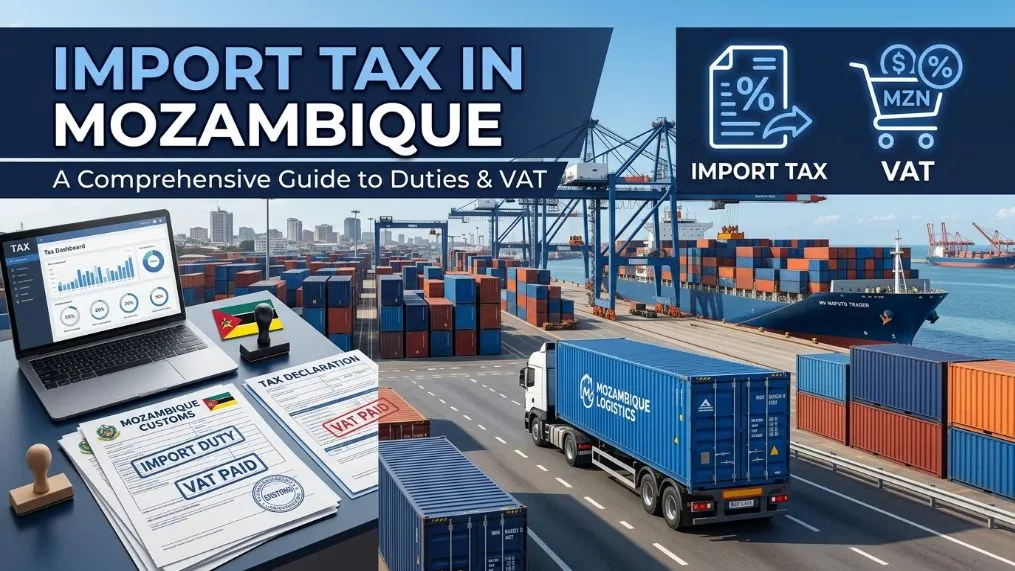

System integration issues between MCNET and other government agencies create frequent bottlenecks. While the platform promises single-window processing, we still encounter situations where approvals from the Ministry of Industry or health authorities don't automatically update in the customs system. This forces clearing agents to manually coordinate between agencies, adding days to what should be automated processes.
The backup procedures during MCNET downtime revert to manual processing at customs offices, but this creates new challenges. Limited physical office space at Maputo Port means clearing agents often queue for hours to submit paper declarations, and manual processing lacks the automatic calculation features that prevent common tariff classification errors.
Successful importers work with clearing agents who maintain parallel tracking systems and submit MCNET declarations at least 5 working days before vessel arrival. This buffer accommodates system delays and allows time for corrections without triggering demurrage charges. First-time importers particularly benefit from understanding these technical constraints before their first shipments arrive.
Port Operations and Physical Clearance Bottlenecks
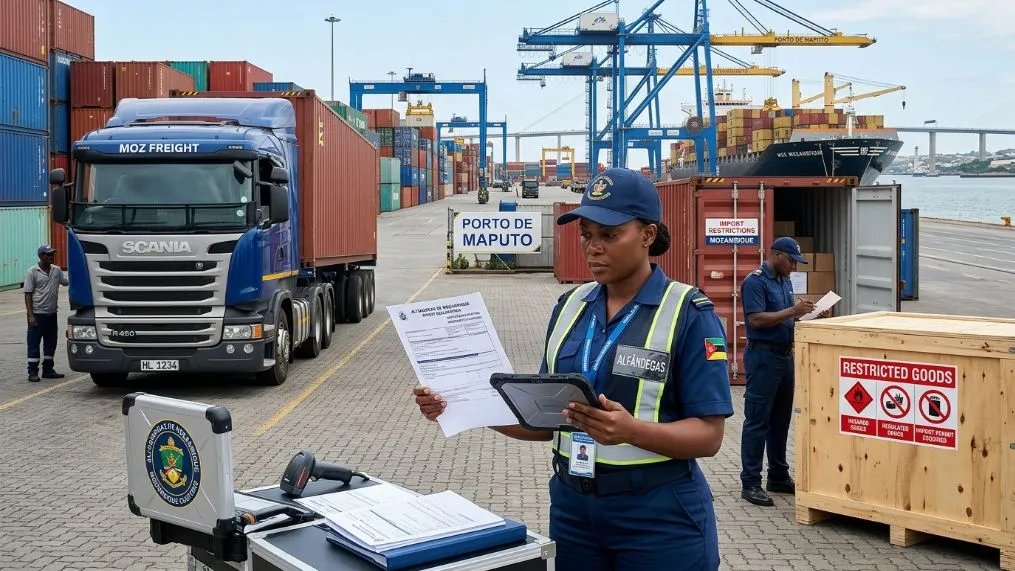
Maputo Port handles 70% of our containerized imports with a current capacity of 450,000 TEU annually, but this volume creates physical constraints that impact clearance times. The limited number of clearing agent offices within port premises means documentation often moves slower than containers, particularly during peak shipping seasons when multiple vessels discharge simultaneously.
The standard 7-day free storage period becomes critical when customs clearance extends beyond normal timelines. Demurrage costs escalate quickly at USD 25-45 per container per day across our major ports, making efficient clearance essential for cost control. We've observed that containers requiring physical inspection often exceed free periods because examination scheduling depends on customs officer availability and equipment access.
Clearing agent selection significantly impacts port clearance efficiency. Agents with established relationships at specific terminals can expedite container location and examination scheduling, while those lacking port connections may struggle with basic logistics. The best agents maintain staff within port premises and coordinate directly with terminal operators to minimize handling delays.
The expansion targeting 900,000 TEU capacity by 2025 should alleviate some congestion, but current operations require strategic timing. Importers who schedule arrivals during mid-month periods typically experience smoother clearance than those arriving during month-end rushes when ports handle peak volumes coinciding with payment deadline pressures.
Border Post Procedures and Transit Corridor Considerations
Ressano Garcia Border Post processes the majority of South African truck traffic entering Mozambique, but manual customs processes and limited weekend operations create regular truck queues that can extend transit times by days. The border operates with reduced capacity during evenings and weekends, forcing truckers to time arrivals carefully or face extended waiting periods.
Cross-border documentation coordination becomes crucial when goods transit through South Africa before entering Mozambique. Discrepancies between South African and Mozambican customs documentation can trigger manual verification processes that delay entire truck convoys. We recommend ensuring that customs declarations in both countries reflect identical product descriptions and values to avoid cross-referencing delays.
The Beira Corridor faces seasonal challenges during our rainy season when flooding affects road access and increases transit times significantly. Regional trade corridor optimization requires contingency planning for weather-related disruptions, particularly for goods destined to Zimbabwe and central Mozambique through Beira Port.
Alternative routing through Nacala becomes essential during Beira Corridor disruptions, but this requires advance coordination with clearing agents familiar with northern port procedures. Each corridor has unique documentation requirements and processing timelines that affect overall import compliance strategies.
Building Effective Compliance Strategies with Local Partners
Selecting reliable clearing agents determines success more than any other factor in managing Mozambique import compliance challenges. Experienced agents maintain relationships across multiple agencies and understand seasonal patterns that affect processing times. They anticipate INTERTEK inspection backlogs during December holiday periods when government offices operate reduced schedules, advising clients to avoid urgent shipments during these windows.
Establishing relationships with regulatory authorities requires consistent, professional interaction rather than crisis management approaches. Regular communication with customs officers, INTERTEK inspectors, and port authorities creates goodwill that proves valuable when exceptional circumstances require flexible solutions. This relationship-building happens through reliable clearing agents who represent multiple clients professionally.
Creating contingency plans for common delays involves understanding alternative processing routes and maintaining flexibility in shipping schedules. Air cargo options provide backup solutions for urgent goods when sea freight encounters extended delays, though costs increase significantly.
Successful compliance strategies integrate documentation preparation, system navigation, port operations, and relationship management into comprehensive approaches. Regular review of clearance performance with local partners identifies improvement opportunities and prevents recurring issues that increase costs and extend timelines unnecessarily.
Effective import compliance in Mozambique requires understanding that technical requirements are just the foundation—success comes from anticipating challenges, building strong local partnerships, and maintaining flexibility when systems don't perform as expected. Work with experienced clearing agents, prepare documentation early, and always plan for contingencies in our dynamic regulatory environment.