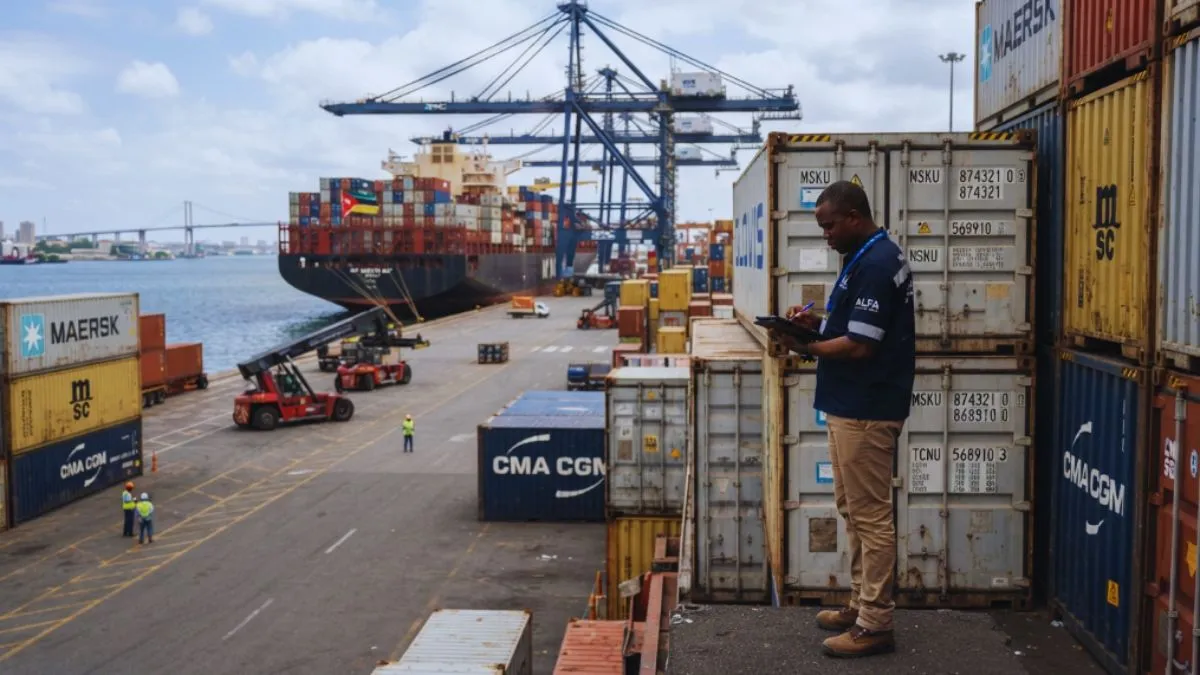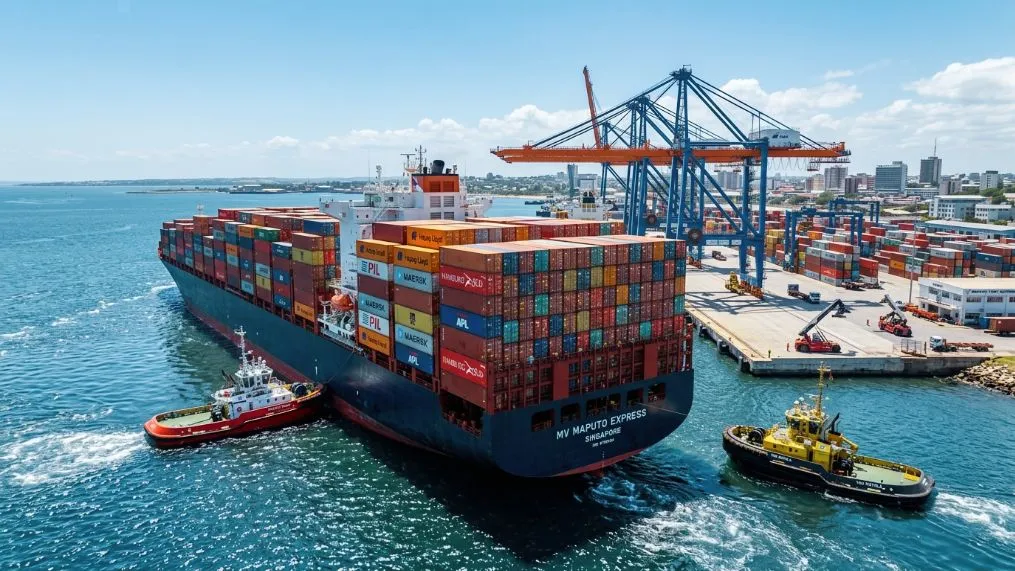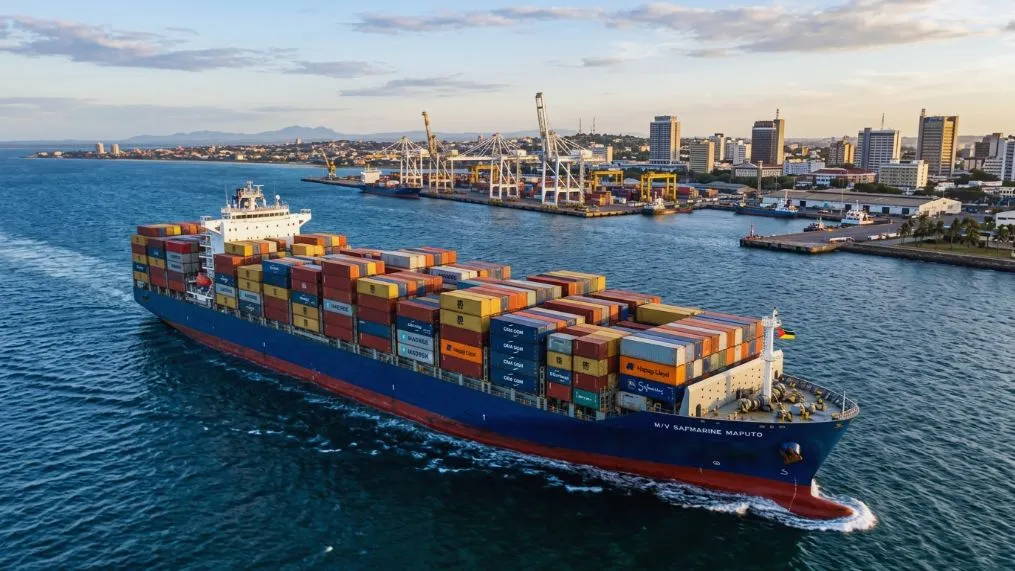
Anyone who has waited for container clearance at Maputo port during December knows that planning your ocean freight Mozambique shipping requires more than just booking space on a vessel. Last month, we watched containers from Shanghai sit in the container freight station for over two weeks while clearing agents struggled with overwhelmed customs systems and limited truck availability for final delivery. The difference between a smooth 14-day door-to-door shipment and a month-long ordeal often comes down to understanding our port operations, seasonal patterns, and the practical realities of moving cargo through Mozambican infrastructure.
Choosing Your Destination Port in Mozambique
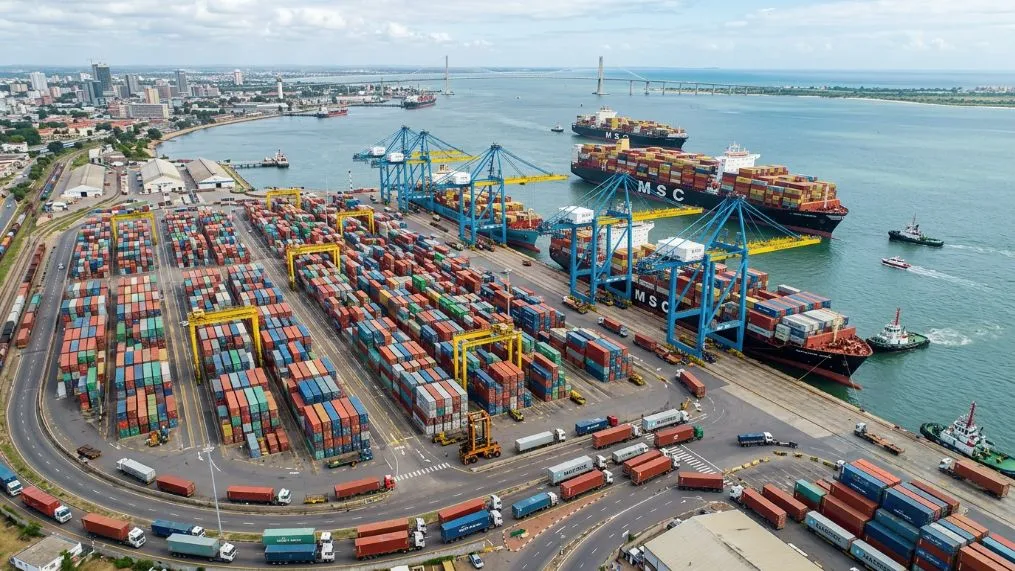
The Port of Maputo handles 70% of our container traffic with an annual capacity of 250,000 TEU, though current throughput hovers around 180,000 TEU according to Maputo Port Development Company operational data. This capacity gives importers reliable berthing schedules, but the port's success creates its own challenges. During peak season from December through February, processing times extend 15-25% longer due to holiday cargo surges and weather delays affecting operations.
Our Port of Beira serves as the key alternative for central regions and provides access through the Beira Corridor to landlocked countries. However, the cyclone season from November to April poses operational risks that require contingency planning. Many experienced shippers route non-urgent cargo through Beira during off-peak months to avoid Maputo's congestion, then switch back during cyclone season when weather reliability becomes paramount.
Trusted by vessels calling at Mozambican ports. From provisions to engine parts — everything your crew needs, delivered on time.
The Port of Nacala offers deep-water capabilities in northern Mozambique, though container handling infrastructure remains limited compared to Maputo. Customs processing times at Nacala typically run longer than our southern ports, making it suitable for bulk shipments or cargo destined for northern regions where the land transport savings offset the additional port delays. Understanding your container requirements helps determine which port offers the best total logistics cost for your specific trade lane.
Transit Routes and Shipping Schedules from Global Hubs
Major shipping lines maintain regular services to our ports with varying transit times depending on routing patterns. The Dubai to Maputo route offers the fastest ocean freight to Mozambique with 12-14 day transit times, making it ideal for Middle East and Indian subcontinent cargo. Singapore serves as the primary Asian transhipment hub with 18-22 day transit times to Maputo, while direct services from major Asian ports take longer.
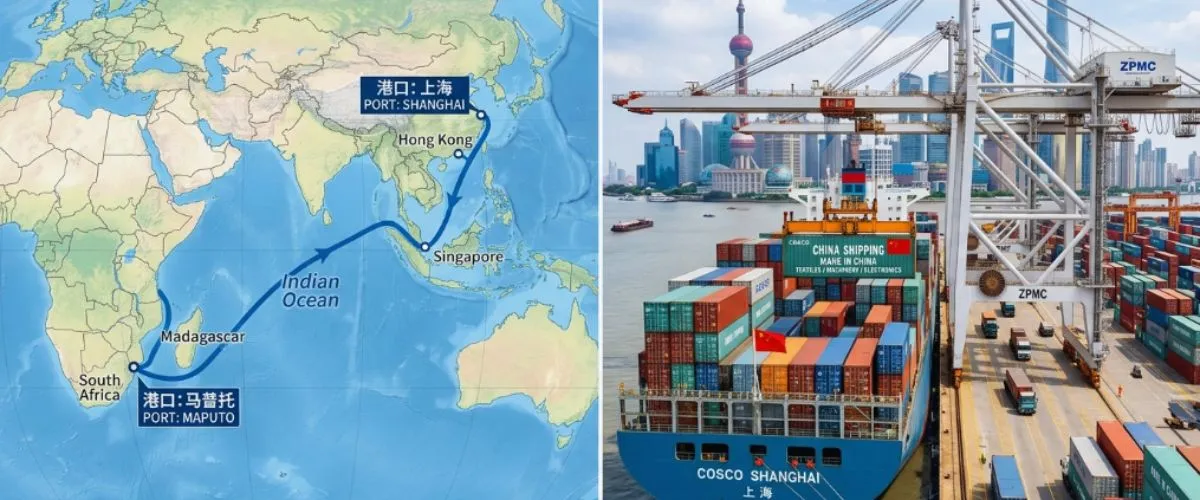
European cargo typically routes through Rotterdam with 21-28 day transit times to Maputo, though some services may include additional port calls that extend the journey. Shipments from China face the longest transit times at 25-30 days from Shanghai, with most services including transhipment in Singapore or other regional hubs rather than offering direct sailings.
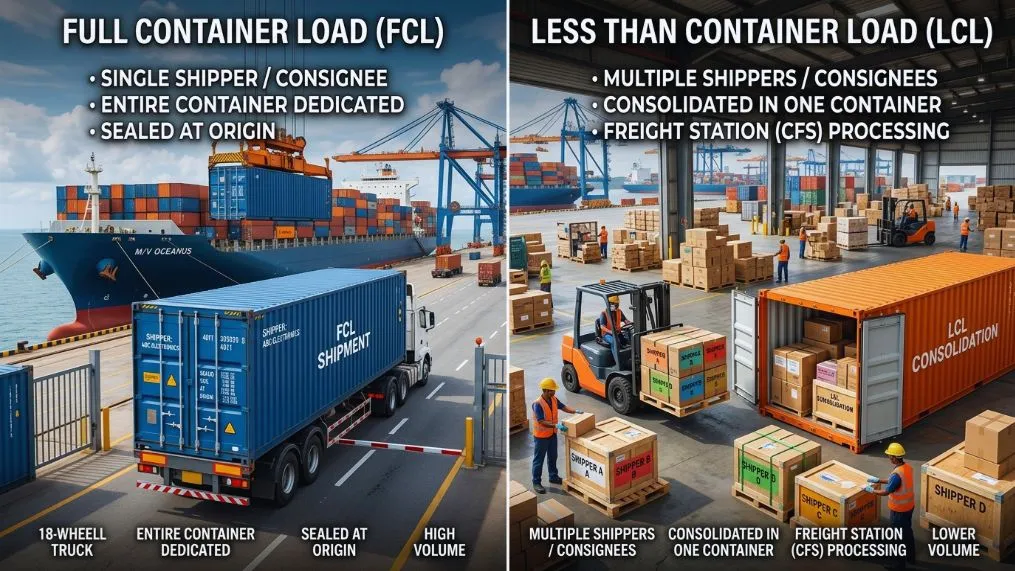
Service frequency varies significantly by trade lane, with weekly departures common from Dubai and Singapore, while European and Far East services may operate on 10-14 day intervals. During our peak import season, vessel delays compound as ports across the region experience congestion, making schedule reliability a key factor in carrier selection beyond just transit time and freight rates.
Documentation and Customs Preparation
Proper documentation prevents the expensive delays that plague unprepared importers in our market. The Autoridade Tributária de Moçambique requires a complete bill of lading, commercial invoice, packing list, and when applicable, specific import licenses for controlled goods. Additionally, all containers need SOLAS VGM certificates, while agricultural products require phytosanitary certificates that must be obtained before shipment departure.
Our MCNET single window system handles customs and port documentation processing across all major ports, though system downtime and user training gaps cause processing delays, especially for new importers. Understanding compliance requirements becomes critical as experienced operators submit their MCNET declarations 48-72 hours before vessel arrival to expedite clearance procedures.
Customs clearance processing follows three channels based on risk assessment and cargo type. Green channel clearance processes in 2-4 hours for low-risk shipments, while yellow channel inspections require 1-3 days for document verification. Red channel physical inspections take 3-7 days and often catch importers unprepared for the associated storage charges that accumulate during extended clearance periods.
Port Operations and Cost Breakdown
Terminal handling charges at Maputo range from USD 180-220 per TEU for 20-foot containers, with additional services priced separately according to the port tariff schedule. These charges cover basic container discharge, temporary storage, and positioning for customs inspection or truck loading. Storage fees become significant for delayed clearance, starting at USD 8-12 per day after the initial 7 free days that most terminals provide.
Working with experienced local clearing agents makes the difference between smooth operations and costly delays. Trusted agents maintain dedicated relationships with customs officers and understand which inspectors work efficiently during different shifts. They can navigate the practical aspects of our port operations, such as optimal timing for truck collections and which container freight stations offer the most reliable service during peak periods.
Demurrage charges from shipping lines add another cost layer when containers remain at port beyond free time periods. Most lines allow 7-10 free days for import containers, then charge USD 50-100 per day depending on container size and carrier policies. These charges escalate quickly, making efficient customs clearance essential for controlling total logistics costs in ocean freight shipping to Mozambique.
Managing Common Challenges and Delays
Seasonal congestion creates our most predictable operational challenge, as December through February cargo volumes strain port capacity and customs resources. During these peak months, even experienced importers see processing times extend significantly due to overwhelmed systems and limited truck availability for final delivery. Smart shippers adjust their supply chains to avoid critical shipments during this period or build additional buffer time into their logistics planning.
Infrastructure limitations affect cargo flow beyond the port gates, particularly rail connectivity constraints and truck congestion during peak periods that create inland transport bottlenecks. Common mistakes include underestimating these challenges and failing to arrange reliable inland transport before container arrival, leading to expensive storage fees while scrambling for trucks.
Weather-related disruptions impact operations beyond the obvious cyclone season, as heavy rains can flood access roads and disrupt inland transport even when ports remain operational. Experienced operators maintain relationships with multiple clearing agents and transport providers to ensure backup options when primary service providers face capacity constraints or operational disruptions.
Understanding our ocean freight systems and seasonal patterns enables importers to plan shipments that avoid costly delays and maximize our ports' capabilities. Success comes from respecting the practical realities of Mozambican logistics while working with experienced local partners who navigate daily operational challenges. Whether shipping from Dubai, Singapore, or other global hubs, proper preparation and realistic timelines ensure your cargo moves efficiently through our gateway ports to final destinations across the region.