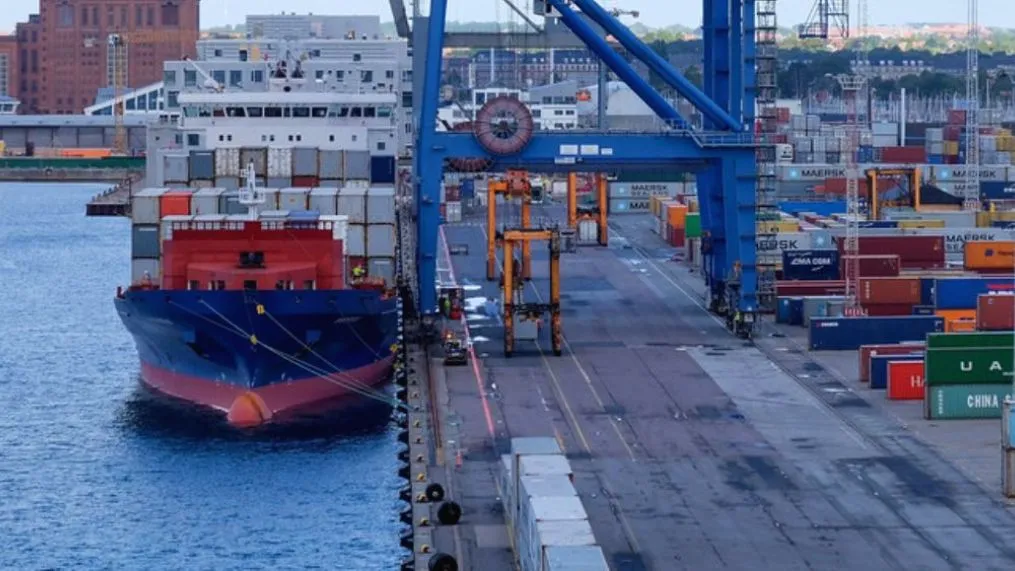
When your container ship arrives at Maputo Port after weeks at sea, the real challenge begins the moment your cargo reaches the quay. Anyone who has navigated the complexities of clearing containers at our country's largest terminal knows that understanding DP World Maputo terminal operations can mean the difference between smooth clearance and watching demurrage charges accumulate while your goods sit in the yard. With an annual capacity of 2.6 million TEU and handling 70% of Mozambique's containerized cargo, this terminal serves as the critical gateway for imports destined not only for our domestic market but also for the broader SADC region.
Understanding DP World Maputo's Infrastructure and Capacity
The terminal's infrastructure represents the most significant container handling capacity in our region, with berths designed to accommodate vessels up to 366 meters in length and drafts of 12.8 meters. The facility operates with modern ship-to-shore cranes and rubber-tired gantry cranes that can handle containers efficiently during the critical vessel operations phase. However, we must acknowledge that even with this 2.6 million TEU annual capacity, the terminal faces constraints during peak periods when cargo volumes surge beyond optimal handling levels.
Our experience working with clients shows that understanding the terminal layout becomes crucial for planning cargo collection and clearance activities. The container yard extends over 45 hectares, with designated areas for different cargo types including dangerous goods, refrigerated containers, and transit cargo bound for neighboring countries. The terminal's integration with CFM rail infrastructure provides direct access to the Maputo-Witbank corridor, though limited rail connectivity often forces importers to rely on road transport, creating bottlenecks at the terminal gates.
Trusted by vessels calling at Mozambican ports. From provisions to engine parts — everything your crew needs, delivered on time.
The challenge becomes particularly evident during the December to February harvest season and April to May post-cyclone recovery periods, when terminal capacity operates at maximum levels. During these peak congestion periods, even routine container movements can experience delays, making advance planning essential for importers who cannot afford extended dwell times. The terminal's customer service systems work to coordinate vessel schedules and berth allocations, but importers must remain flexible with their collection schedules during high-volume periods.
Import Process and Documentation Requirements
The import clearance process through DP World Maputo requires coordination between multiple systems and stakeholders, beginning with the mandatory MCNET customs processing system that handles all customs declarations in Mozambique. Importers must prepare a minimum of eight documents for clearance: Bill of Lading, Commercial Invoice, Packing List, Import License, Customs Declaration, Certificate of Origin, Insurance Certificate, and Phytosanitary Certificate for applicable goods. Understanding these documentation requirements becomes critical as any missing or incorrect documentation can trigger delays that extend well beyond the standard clearance timeline.
Customs clearance timelines vary significantly based on the inspection channel assignment, with green channel cargo typically clearing within 24 to 48 hours while physical inspection cases require 3 to 5 days for completion. We recommend submitting customs documentation through MCNET at least 48 hours before vessel arrival to maximize the chances of green channel treatment and coordinate inspection appointments during off-peak hours when Autoridade Tributária resources are more readily available.
The integration between DP World's terminal management system and MCNET remains limited, requiring importers to monitor clearance status through multiple platforms. Experienced clearing agents maintain direct contact with the terminal's customer service desk to coordinate inspection appointments and resolve documentation queries that inevitably arise during the clearance process. The reality is that even digital submissions often require in-person follow-up for last-minute document clarifications, making local representation essential for efficient clearance.
Terminal Charges and Cost Structure
DP World Maputo's terminal handling charges range from USD 180 to 220 per TEU for standard container handling, including loading and unloading operations. These charges cover the basic vessel-to-yard movements, but importers must budget for additional costs including documentation fees, customs inspection charges, and storage fees that accumulate after the free time period expires. The terminal provides a limited free time period of 5 to 7 days for standard imports and 3 to 4 days for transit cargo, after which daily storage charges apply at escalating rates.
Storage costs become particularly significant during peak seasons when container dwell times extend beyond the free period due to customs processing delays or transport coordination challenges. Planning your ocean freight logistics requires factoring these potential storage charges into your total landed cost calculations, especially for shipments arriving during high-volume periods when clearance delays are more likely.
Additional service costs include container examination fees when customs requires physical inspection, temporary storage at the Container Freight Station for LCL cargo, and special handling charges for dangerous goods or oversized containers. Penalty charges apply for documentation errors that require re-submission through MCNET or delays in cargo collection that extend beyond scheduled pickup windows. Understanding these cost components helps importers negotiate better terms with their clearing agents and freight forwarders while maintaining realistic budget expectations for their import operations.
Managing Seasonal Challenges and Congestion
Peak season planning becomes essential when dealing with the terminal's capacity constraints during high-volume periods from December through February and the April to May recovery periods following cyclone season. During these months, vessel delays, extended clearance times, and limited truck availability combine to create challenging conditions for importers operating on tight schedules. We've observed that proactive communication with shipping lines about potential delays and flexible pickup schedules can help mitigate some of these seasonal challenges.
Weather-related disruptions affect not only vessel schedules but also road access to the terminal, with heavy rains occasionally limiting truck movements and extending cargo collection times. Avoiding common importing mistakes includes building buffer time into your supply chain planning to accommodate these weather-related delays that are particularly common during our rainy season from November through March.
Contingency planning strategies include maintaining relationships with multiple clearing agents who can provide backup support during peak periods, scheduling shipments to arrive during off-peak months when possible, and coordinating with freight forwarders who have established allocation agreements with trucking companies. The terminal's limited rail connectivity means that road transport remains the primary evacuation method, making truck availability a critical factor in managing seasonal congestion effectively.
Working with Local Service Providers and Agents
Selecting qualified clearing agents requires evaluating their physical presence at the terminal, their relationship with customs officials, and their ability to navigate both MCNET and the terminal's operational systems. The most effective clearing agents maintain daily contact with terminal customer service representatives and can provide real-time updates on container status, inspection schedules, and documentation requirements. New importers frequently underestimate the importance of having a local clearing agent physically present at the terminal, assuming digital submissions are sufficient for smooth clearance.
Building relationships with key stakeholders extends beyond your primary clearing agent to include terminal customer service staff, customs inspectors, and trucking companies that provide container collection services. Maximizing regional trade benefits often depends on these established relationships that facilitate smoother operations and faster problem resolution when issues arise during the clearance process.
Coordination with terminal customer service becomes particularly important during peak seasons when standard procedures may require additional follow-up or alternative arrangements. Experienced importers maintain direct communication channels with multiple service providers to ensure backup options are available when primary arrangements face delays or complications. The reality of operating through Maputo terminal is that personal relationships and local knowledge often determine the difference between routine clearance and extended delays that impact your supply chain operations.
Success with DP World Maputo terminal operations requires understanding not just the published procedures but the practical realities of moving cargo through our busiest port. From managing seasonal congestion to coordinating with multiple service providers, effective terminal operations depend on preparation, local expertise, and flexible planning that accounts for the unique challenges of our operating environment.