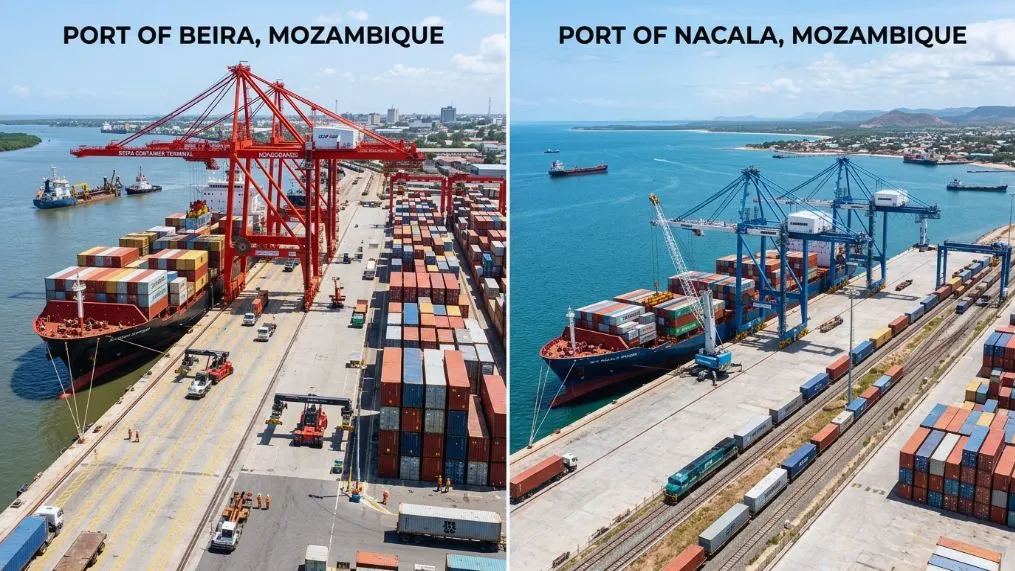
Standing at the entrance of Beira port during the busy pre-cyclone season, watching containers stacked three high as importers rush to clear cargo before the next weather system hits, you quickly understand why choosing the right port entry point can make or break your import operations. Our two major container ports serve distinctly different markets and corridors, each with unique advantages that experienced logistics professionals have learned to leverage strategically. The decision between Beira and Nacala isn't just about port efficiency metrics or handling costs—it's about understanding how each gateway connects to your final destination, the seasonal challenges you'll face, and the total cost implications of your entire supply chain from vessel discharge to final delivery.
Infrastructure Capacity and Technical Capabilities
Both ports operate with similar container handling capacities on paper, but the operational realities tell a different story. Beira handles approximately 200,000 TEU annual capacity with current throughput around 150,000 TEU, managed through Cornelder de Moçambique's operations. The port's infrastructure has been significantly upgraded in recent years, but the 10-meter maintained draft depth requires constant dredging operations that occasionally impact vessel scheduling.
Nacala presents a compelling technical advantage with its natural 14-meter draft depth compared to Beira's maintained 10 meters, allowing larger vessels to dock without the silting concerns that affect our central coast ports. The deep water port currently operates at 200,000 TEU capacity with ambitious expansion plans to reach 500,000 TEU through CDN infrastructure development. This natural depth advantage means fewer dredging delays and the ability to accommodate larger container vessels that increasingly serve our regional shipping routes.
Trusted by vessels calling at Mozambican ports. From provisions to engine parts — everything your crew needs, delivered on time.
Weather resilience represents a critical factor in our operational planning. Beira's exposure to cyclone damage creates seasonal bottlenecks that experienced importers plan around, often accelerating clearance schedules during November through April. The artificial congestion this creates can push storage costs significantly higher during peak weather risk periods. Nacala's more protected northern location offers greater weather stability, though this advantage must be weighed against other operational factors when making your strategic shipping decisions.
Inland Connectivity and Corridor Access
The corridor connections fundamentally determine which port serves your market access needs most effectively. Beira dominates the central corridor trade, positioned just 525 kilometers from the Machipanda border post, making it the natural gateway for Zimbabwe-bound cargo and central Mozambique destinations. The established road and rail infrastructure through this corridor has been developed over decades, creating reliable transport networks that freight forwarders understand intimately.
Nacala serves the northern corridor with its 1067mm narrow gauge rail connection linking directly to Malawi's rail network, providing seamless inland connectivity for landlocked regional trade. However, this northern advantage comes with limitations when serving central and southern Mozambique destinations. Transport costs from Nacala to central Mozambique markets typically run 40-60% higher than equivalent routes from Beira, a factor that can quickly erode any port handling savings.

The practical reality we see regularly involves new importers selecting Nacala based purely on port efficiency metrics, only to discover that their total logistics costs increase substantially when serving markets better connected through Beira. Understanding your final destination's corridor connectivity should drive the port selection decision more than individual port performance statistics. Cross-border efficiency also varies significantly, with Machipanda experiencing seasonal congestion during agricultural export peaks that can delay Zimbabwe-bound cargo during certain months.
Operational Efficiency and Cargo Processing
Container dwell times reveal important operational differences between our two main ports. Beira currently averages 7-14 days for import container clearance, influenced by port congestion, customs processing capacity, and the seasonal influx of regional trade. These dwell times directly impact your storage costs and cash flow, particularly when demurrage charges begin accumulating after the free storage period expires.
The MCNET system requirements apply uniformly across both ports, but the practical experience of using these digital platforms varies based on local support infrastructure and the digital literacy of your chosen freight forwarder. System downtime affects both ports equally, but Nacala's lower cargo volumes can sometimes mean faster processing during peak periods when Beira experiences system overload from high transaction volumes.
Seasonal patterns significantly influence operational efficiency at both facilities. Beira handles substantial regional trade flows, creating predictable congestion during Zimbabwe's tobacco season and general agricultural export periods. Nacala's operations remain more stable throughout the year due to its focus on mineral exports and more limited regional trade flows. This stability can benefit importers with flexible scheduling, though it comes with the trade-off of reduced freight forwarder options and potentially higher service costs due to lower market competition.
Our experience with import compliance procedures shows that both ports maintain similar customs processing standards, but the availability of experienced clearing agents varies significantly. Beira's larger import community supports more clearing agents and freight forwarders, creating competitive pricing and specialized expertise for different cargo types.
Strategic Considerations for Different Cargo Types
Bulk cargo operations showcase each port's specialized strengths most clearly. Nacala excels in mineral exports and bulk handling due to its deep water access and dedicated bulk terminals, making it efficient for importers bringing in heavy machinery or bulk materials that benefit from larger vessel economies. The port's technical capabilities support specialized cargo that requires deeper draft access unavailable at Beira.
Containerized cargo decisions depend heavily on your supply chain's final destination and time sensitivity requirements. For Mozambique ports comparison import operations, Beira typically provides better value for cargo destined to central and southern regions, despite potentially longer dwell times. The established logistics networks, competitive freight forwarding market, and shorter inland transport distances often offset port inefficiencies.
Time-sensitive shipments present particular challenges that require careful port selection. While Nacala may offer faster port processing, the limited frequency of container services and potentially longer inland transport times can extend total transit times. Experienced importers often reserve Nacala for non-urgent cargo that can absorb longer total delivery times in exchange for potentially lower port handling costs.
Mixed strategies work effectively for larger importers who can split shipments based on cargo characteristics and destination requirements. Using both ports allows optimization based on seasonal factors, cargo urgency, and destination economics rather than committing entirely to one gateway's limitations and advantages.
Making the Right Choice for Your Operations
The decision framework should prioritize total logistics costs over individual port performance metrics. Calculate transport costs from each port to your final destination, factor in storage and handling fees, and consider the reliability and frequency of services to each port. The port with better individual efficiency statistics may not provide the best total supply chain economics for your specific requirements.
Seasonal planning becomes crucial regardless of your port choice. Beira importers must plan around cyclone seasons and regional trade peaks, while Nacala users should consider the limited service frequency and potential for extended delays if problems occur. Building buffer time into your supply chain planning accommodates these predictable seasonal variations without emergency expediting costs.
Working with experienced local logistics partners provides invaluable market knowledge that can't be replicated through port statistics alone. Established freight forwarders understand the practical challenges of each port, maintain relationships with key personnel, and can navigate the inevitable complications that arise in our operational environment. The availability and quality of these partnerships often influences port selection more than infrastructure specifications.
Risk mitigation strategies should include maintaining relationships at both ports when volumes justify the complexity. This flexibility allows you to shift cargo flows during disruptions, take advantage of seasonal efficiencies, and optimize based on changing market conditions rather than being locked into one port's limitations and dependencies.
Your port selection ultimately depends on balancing infrastructure capabilities with corridor access, operational efficiency with total logistics costs, and individual shipment requirements with long-term strategic positioning. Both Beira and Nacala serve important roles in our regional trade network, and understanding their distinct advantages allows you to make informed decisions that optimize your import operations rather than simply following generic port performance rankings.