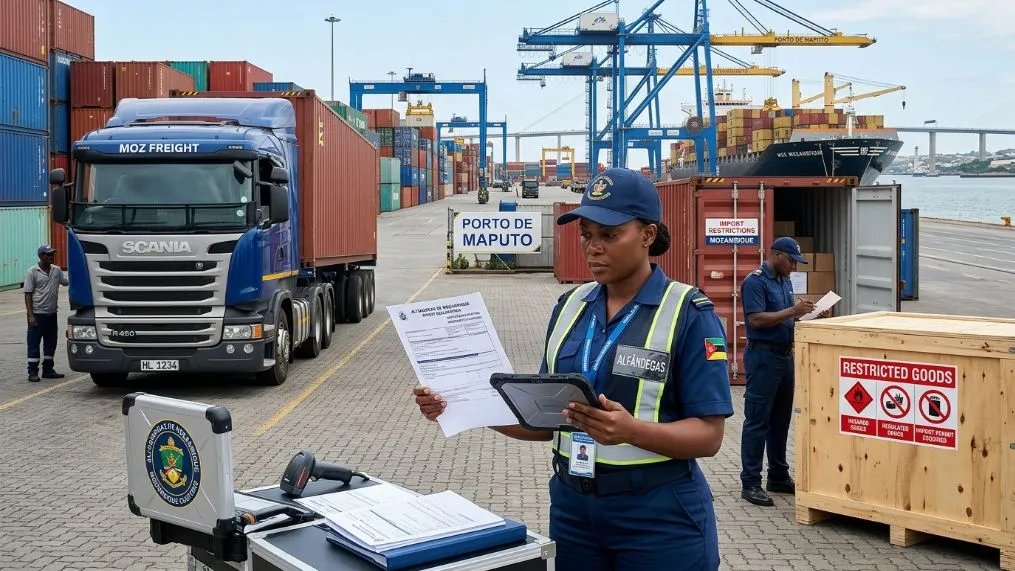
When we watched a container of medical equipment sit at DP World Maputo for two weeks while demurrage charges mounted at USD 85 per day, the importer learned a costly lesson about pharmaceutical import licensing. Their permit had expired three days before arrival, triggering a bureaucratic scramble across multiple ministry offices. This scenario repeats regularly at our ports because understanding import restrictions requires more than reading lists – it demands knowing the intricate web of prohibitions, permits, and procedures that govern what can enter Mozambique.
Understanding Mozambique's Import Control Framework
Our import control system operates through three distinct categories under the Mozambique Customs Code: completely prohibited goods, restricted items requiring special permits, and freely importable products. The Autoridade Tributária de Moçambique oversees customs enforcement, while individual ministries control licensing for their respective sectors. This multi-agency approach means that even experienced traders must navigate between different government departments, each with their own procedures and timelines.
The Ministry of Industry and Commerce handles general import licensing, but pharmaceuticals fall under Health Ministry jurisdiction, while telecommunications equipment requires ICT Ministry approval. Agricultural products involve both the Ministry of Agriculture and veterinary services. This distributed authority system works reasonably well when you understand which agency controls your specific product category, but newcomers often waste weeks approaching the wrong offices.
Trusted by vessels calling at Mozambican ports. From provisions to engine parts — everything your crew needs, delivered on time.
SADC membership provides preferential tariff treatment for qualifying goods, but many importers mistakenly assume this exempts them from import restrictions. Regional trade agreements affect customs duties and taxes, not fundamental prohibitions or licensing requirements. Even goods manufactured in South Africa or Zimbabwe must comply with our import control framework when they fall into restricted categories.
Prohibited Items and Absolute Import Bans
Narcotics, explosives, counterfeit goods, used clothing except vintage items over ten years old, and second-hand tires face complete import bans under our customs regulations. These prohibitions carry serious penalties – attempting to import banned items triggers immediate confiscation, criminal charges, and permanent blacklisting from our customs system. We've seen legitimate businesses destroyed when employees unknowingly included prohibited items in mixed shipments.
The used clothing restriction surprises many new importers, particularly those familiar with other African markets where second-hand textiles trade freely. Our government implemented this ban to protect local textile manufacturing, but vintage clothing over a decade old qualifies for an exception requiring authentication and historical documentation. Proving age and authenticity involves complex paperwork that few importers find worthwhile for small quantities.
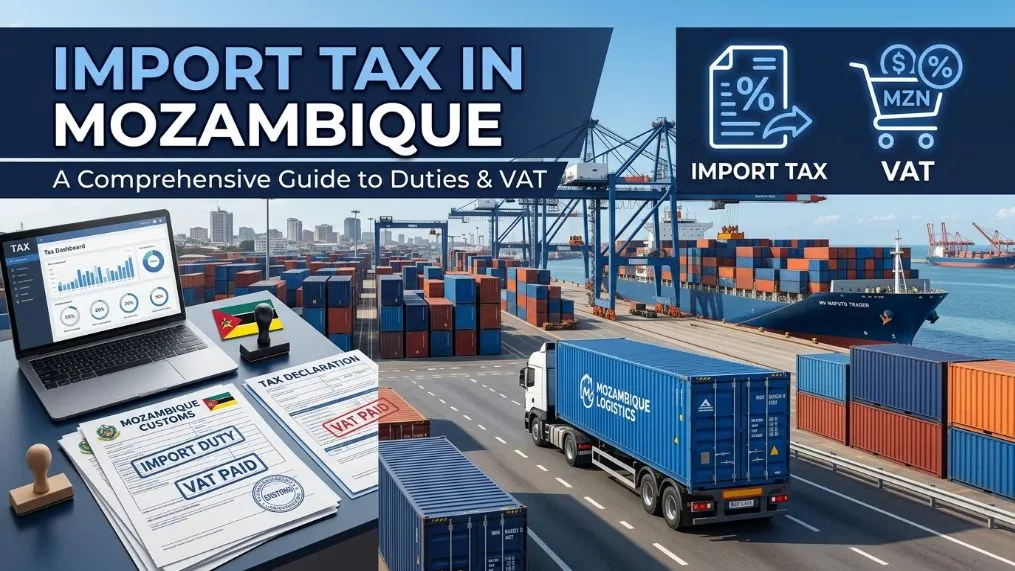
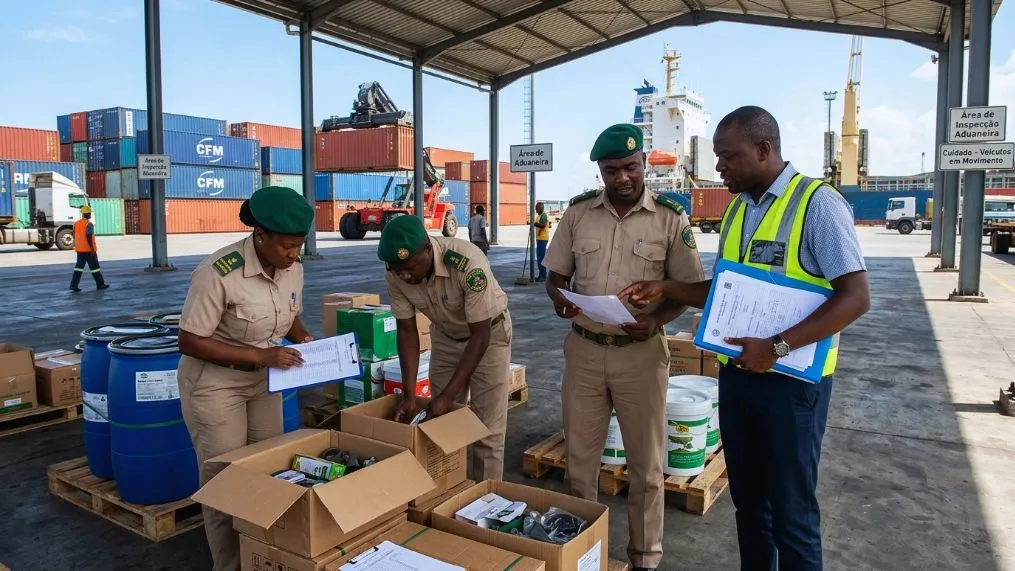

Counterfeit goods encompass more than obvious fake branded products – they include items that violate intellectual property rights, unauthorized pharmaceutical generics, and electronics lacking proper safety certifications. Our customs officers receive regular training on identifying counterfeit products, and detection rates have increased significantly with improved scanning equipment at major ports. The consequences extend beyond confiscation to include substantial fines and potential criminal prosecution.
Restricted Categories Requiring Special Permits
Pharmaceuticals, chemicals, telecommunications equipment, and firearms require pre-import licenses from respective ministries with processing times ranging from 15 to 30 days. These licenses must be obtained before shipment departure, not upon arrival, because our customs officers cannot release restricted goods without valid permits. The pharmaceutical licensing process involves product registration, facility inspection certificates, and detailed documentation of the supply chain from manufacturer to end user.
Agricultural imports face particularly complex requirements, with live animals, seeds, and plant materials requiring phytosanitary certificates and quarantine inspection at designated facilities in Maputo, Beira, and Nacala. The quarantine process can extend clearance times by a week or more, especially for livestock imports that require veterinary examination and testing. Limited quarantine facilities at Beira and Nacala ports sometimes require transporting animals to Maputo for specialized clearance.
Telecommunications equipment licensing involves technical specification approval and frequency allocation clearance from the ICT Ministry. This process has become more stringent following security concerns about network infrastructure, with additional scrutiny applied to equipment from certain manufacturers. Import permits for telecommunications gear now include cybersecurity assessments that can extend processing times beyond the standard 30-day window.
Documentation and Compliance Procedures
Successful customs clearance requires a minimum of eight documents: Bill of Lading, Commercial Invoice, Packing List, Certificate of Origin, Import Declaration, and Insurance Certificate, plus any category-specific permits or certificates. The MCNET single window system handles electronic submissions, but integration issues with ministry databases frequently cause delays in license verification for restricted categories. System downtime typically occurs during peak clearance periods, creating bottlenecks precisely when efficiency matters most.
Shipments exceeding USD 5,000 in value or weighing over 1,000 kilograms trigger mandatory physical inspection, adding two to five days to clearance time. These inspections involve opening containers, verifying contents against documentation, and conducting detailed examinations of restricted items. Container examination fees and storage charges during inspection can significantly increase total import costs, particularly for temperature-sensitive goods requiring specialized storage.
The Certificate of Origin carries particular importance for restricted items, as it determines which additional requirements apply. Products from certain countries face enhanced scrutiny or additional testing requirements, while others benefit from streamlined procedures under bilateral agreements. Ensuring your Certificate of Origin includes all required endorsements and security features prevents last-minute documentation issues that can delay clearance for weeks.
Our experience shows that maintaining detailed import records and permit renewal calendars prevents most documentation problems. Successful importers typically submit MCNET declarations five working days before vessel arrival and maintain 90-day advance notice systems for permit renewals. This proactive approach avoids the panic scenarios we witness regularly when importers discover expired permits only after goods arrive at port.
Practical Clearance Strategies by Port and Border
Porto de Maputo handles seventy percent of our containerized imports and serves as the primary entry point for restricted goods, but limited cold storage facilities create challenges for temperature-sensitive items like pharmaceuticals. Specialized clearing agents with pharmaceutical expertise maintain direct contacts at the Ministry of Health and understand the inspection protocols for medical equipment and controlled substances. These relationships prove invaluable when navigating complex clearance procedures for high-value medical imports.
The ATA Carnet system provides an alternative for temporary imports up to twelve months, requiring a ten percent customs deposit primarily for trade show materials and professional equipment. This system works well for specialized machinery demonstrations or exhibition goods, but the deposit requirement can strain cash flow for smaller companies. Successful ATA Carnet usage requires precise documentation of intended export dates and strict compliance with temporary import conditions.
Ressano Garcia border post serves as our primary land crossing with South Africa for commercial vehicles, but manual documentation processes and limited operating hours from 6am to 10pm create bottlenecks for time-sensitive restricted goods. Cross-border traders have learned to schedule restricted cargo arrivals during morning hours when inspection staff are fully available and processing speeds are optimal. Late afternoon arrivals often face overnight delays that can compromise temperature-sensitive shipments.
Working with experienced freight forwarders who specialize in restricted categories provides significant advantages in navigating our complex clearance procedures. These specialists maintain current knowledge of regulatory changes, have established relationships with relevant ministry officials, and understand port-specific limitations that affect different product categories. Their expertise becomes particularly valuable when dealing with compliance challenges involving multiple agencies or unusual product classifications.
Understanding what are the import restrictions in Mozambique requires ongoing attention to regulatory changes and practical experience with our port procedures. The combination of absolute prohibitions, complex licensing requirements, and port-specific limitations demands careful planning and professional guidance. Success comes from treating import restrictions not as obstacles but as navigable requirements that, when properly managed, ensure smooth entry of legitimate goods into our growing economy.