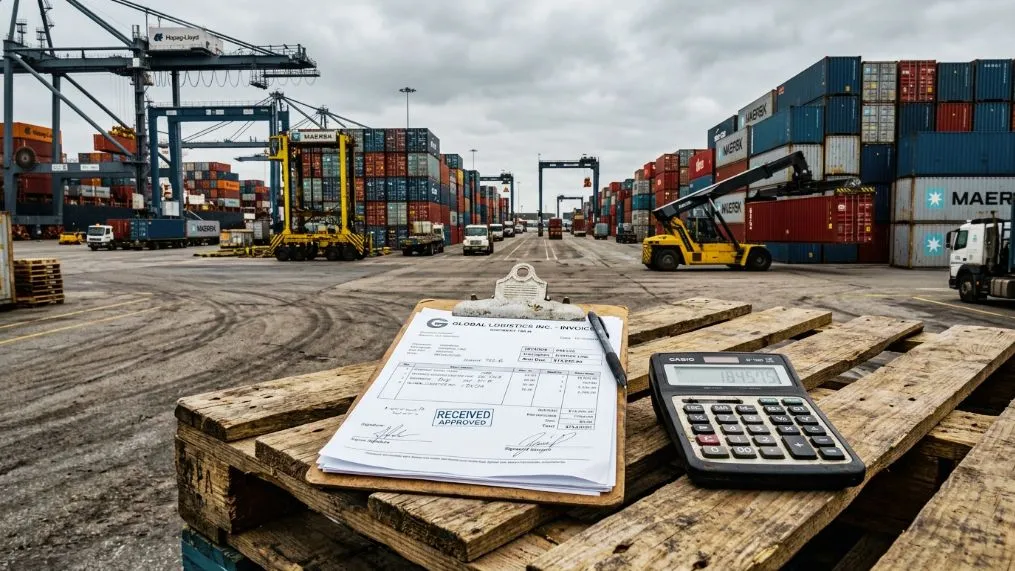
Anyone who has waited for customs clearance at Maputo Port during peak season knows that sinking feeling when your clearing agent calls with unexpected charges. A routine shipment of machinery parts that should have cleared in three days suddenly accumulates ten days of demurrage fees, turning a USD 2,000 freight cost into a USD 2,700 headache. Understanding these hidden costs importing Mozambique demurrage and storage fees isn't just about budgeting – it's about protecting your business margins from the unpredictable delays that plague our import processes.
Understanding Mozambique's Port Demurrage Structure
At Maputo Port, which handles 80% of our containerized imports, the demurrage clock starts ticking the moment your container touches the ground, not when you're ready to collect it. The Maputo Port Development Company (MPDC) grants 7 calendar days of free time for import containers, but many new importers discover too late that weekends and holidays count toward this period. After the free period expires, you're looking at USD 25-35 per day for a 20-foot container and USD 50-70 per day for a 40-foot container according to MPDC's current tariff schedule.
The challenge intensifies when you realize that these demurrage charges accumulate every single day, including Saturdays, Sundays, and public holidays. We've seen importers who assumed the clock stopped over weekends face shocking bills when collecting containers after extended holiday periods. At Beira Port, similar structures apply, but cyclone-related delays during the rainy season can extend your exposure significantly, making contingency planning essential for central corridor operations.
Trusted by vessels calling at Mozambican ports. From provisions to engine parts — everything your crew needs, delivered on time.
What catches many businesses off guard is that demurrage starts regardless of customs clearance status. Your container might be sitting in the terminal while you're still gathering documentation or waiting for MCNET system approvals, but those daily charges keep mounting. Smart importers work with experienced freight forwarders who understand these timelines and can navigate the clearance process within the free period, as outlined in our complete guide to DP World Maputo operations.
Container Storage Costs Beyond Demurrage
While demurrage gets the attention, container yard storage charges often blindside importers with additional costs that aren't immediately obvious. At Maputo International Container Terminal, storage fees range from USD 8-12 per TEU per day after your free storage period expires. These charges run parallel to demurrage, meaning you're paying both the shipping line's container rental fee and the terminal's ground rent simultaneously.
During peak congestion periods from December to February and again from May to June, when agricultural exports crowd our ports and holiday imports surge, storage costs escalate faster due to limited container yard capacity. We've witnessed situations where containers couldn't be delivered even after customs clearance because no truck slots were available, forcing importers to pay extended storage charges beyond their control. The limited yard space at Maputo means containers get stacked higher and moved more frequently, increasing handling fees.
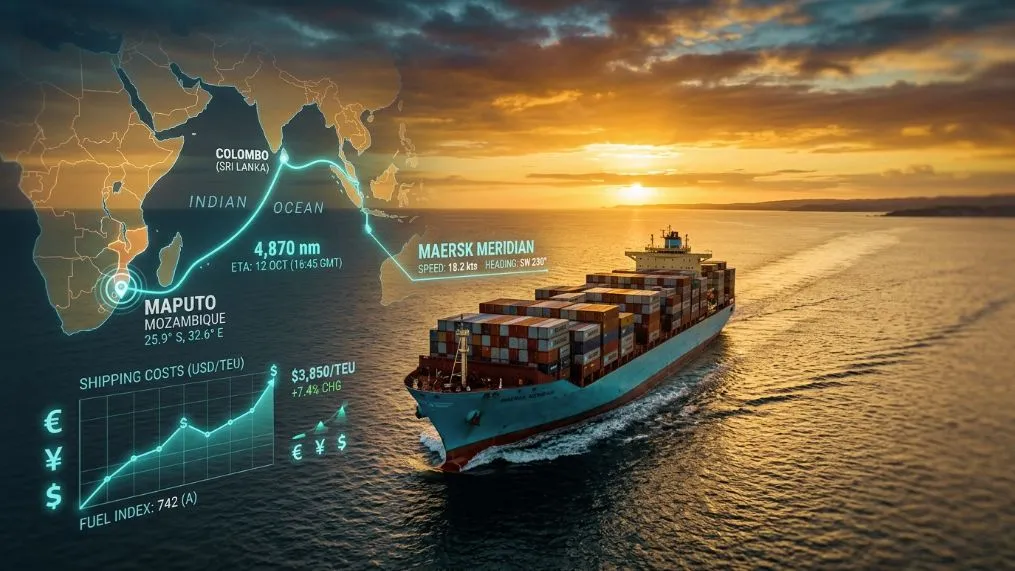
Terminal operators also impose extended storage penalties for containers that remain in the yard beyond 14 days, often doubling the daily storage rate. This penalty structure encourages faster cargo movement, but it punishes importers who face unexpected clearance complications. Understanding these escalating rates helps explain why experienced logistics managers prioritize rapid documentation preparation and maintain relationships with reliable clearing agents who can expedite the process.
Customs Clearance Delays That Trigger Additional Costs
The MCNET system, our mandatory electronic customs declaration platform, processes standard cargo with complete documentation in 3-5 working days on average. However, system downtime, incomplete declarations, or missing permits can extend this timeline significantly, directly impacting your demurrage exposure. The Autoridade Tributária charges between MZN 500-1,500 for MCNET processing depending on declaration type, but these fees pale in comparison to the storage costs that accumulate during processing delays.
We've observed that containers arriving on Thursday or Friday face extended clearance times due to weekend interruptions in government office operations. A Friday afternoon arrival might not see customs inspection until the following Tuesday, immediately consuming four of your seven free days before clearance work even begins. This timing factor becomes critical when you consider that any documentation errors discovered during inspection reset the correction timeline, potentially pushing your container well beyond the free storage period.
Physical inspections add another layer of complexity and cost. When customs officers flag your container for examination, you'll need to arrange for container unstuffing at designated facilities, pay examination fees, and often repack the container afterward. These inspections typically take 2-3 additional days and can trigger overtime charges if conducted outside normal working hours. For importers dealing with specialized goods requiring permits or certificates, factoring these potential delays into your cost calculations becomes essential for accurate budgeting, as detailed in our comprehensive import tax guide.
Seasonal and Infrastructure Factors Affecting Costs
Mozambique's infrastructure challenges create predictable cost spikes that experienced importers plan for, but newcomers often face unexpectedly. During the December-February peak season, when holiday imports coincide with agricultural export movements, port congestion can double normal processing times. Container terminals reach capacity, truck queues extend for kilometers, and clearing agents struggle with overwhelming workloads, all contributing to extended storage periods and mounting charges.
Cyclone season brings additional complications, particularly affecting the Beira corridor. When tropical systems threaten the coast, ports suspend operations, trucks avoid flooded roads, and government offices may close for safety reasons. A cyclone warning can easily add 3-5 days to clearance timelines, pushing routine shipments into expensive extended storage categories. We recommend importers using central and northern corridors maintain higher contingency budgets during November through April to account for weather-related delays.
Regional corridor bottlenecks also affect final delivery costs, even after port clearance. The Ressano Garcia border crossing with South Africa often experiences delays that prevent timely container returns, potentially triggering detention charges from shipping lines. Similarly, the limited rail capacity on CFM networks means containers destined for inland areas might wait additional days for transport, accumulating ground storage fees. These infrastructure constraints make it crucial to work with logistics providers who understand seasonal patterns and can adjust shipping schedules accordingly.
Strategies to Minimize Hidden Import Costs
The most effective strategy we've seen involves submitting preliminary customs entries 48 hours before vessel arrival, allowing customs officials to review documentation while your cargo is still at sea. This pre-clearance approach helps identify missing documents or permit issues before the demurrage clock starts, giving you time to resolve problems without accumulating storage charges. Working with clearing agents who understand MCNET system requirements and maintain good relationships with customs officers can dramatically reduce processing delays.
Experienced importers also maintain detailed shipping calendars that account for local holidays, peak seasons, and known infrastructure limitations. Scheduling shipments to arrive on Monday or Tuesday provides maximum working days for clearance within the free storage period, while avoiding Friday arrivals that lose weekend days unnecessarily. For businesses importing regularly, establishing relationships with multiple freight forwarders provides backup options when your primary agent faces capacity constraints during busy periods.
Documentation preparation deserves special attention in cost minimization strategies. Ensuring all permits, certificates, and invoices are complete and accurate before goods leave origin ports eliminates the most common cause of clearance delays. We recommend maintaining checklists specific to your product categories and origin countries, as requirements can vary significantly. Additionally, understanding the escalating cost structure helps with decision-making – sometimes paying for expedited clearance services costs less than extended storage charges, making speed worth the premium investment.
Consider the total cost impact when selecting between FCL and LCL shipping options, as LCL consignments often face additional consolidation delays that extend port storage time. Having contingency funds available for unexpected delays protects your cash flow and enables quick decision-making when problems arise, rather than scrambling for emergency financing while storage costs accumulate daily.
Managing import costs successfully in Mozambique requires understanding these hidden fees and planning accordingly. By working with experienced local partners, preparing documentation thoroughly, and maintaining realistic timelines that account for our infrastructure challenges, you can minimize unexpected charges and protect your profit margins from demurrage and storage surprises.