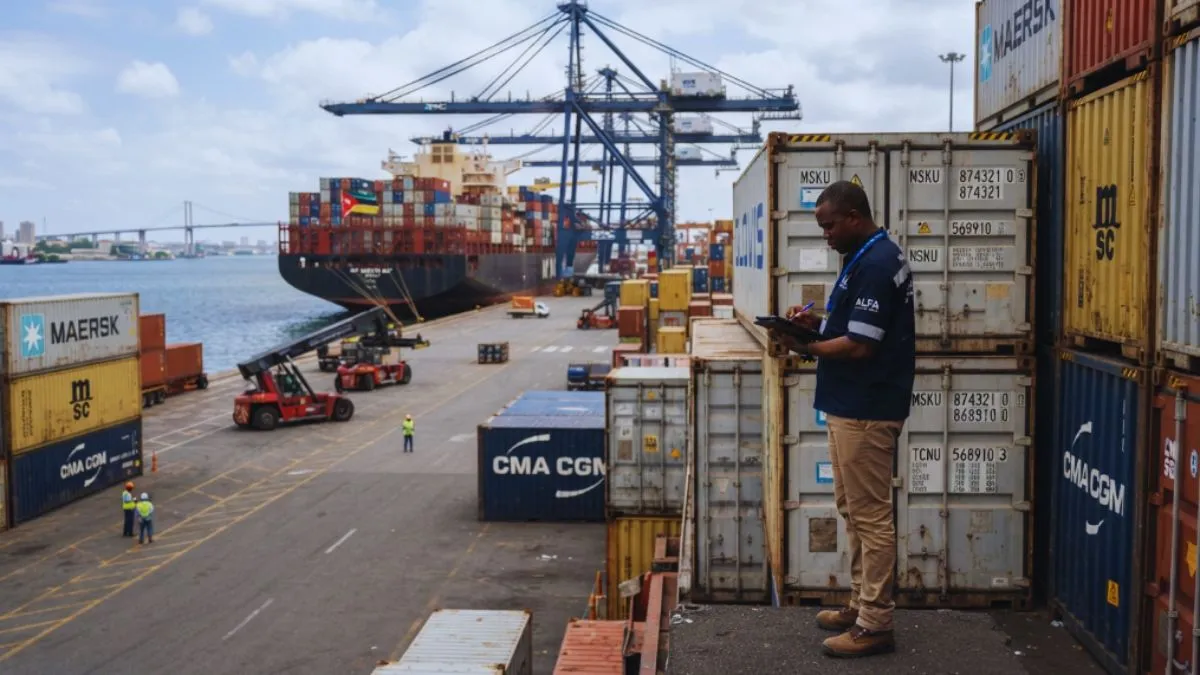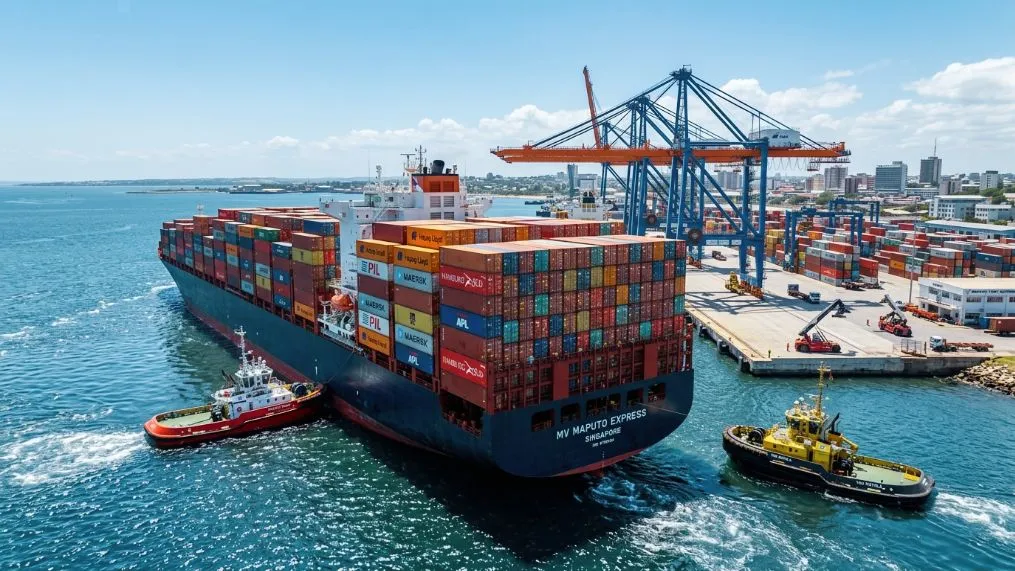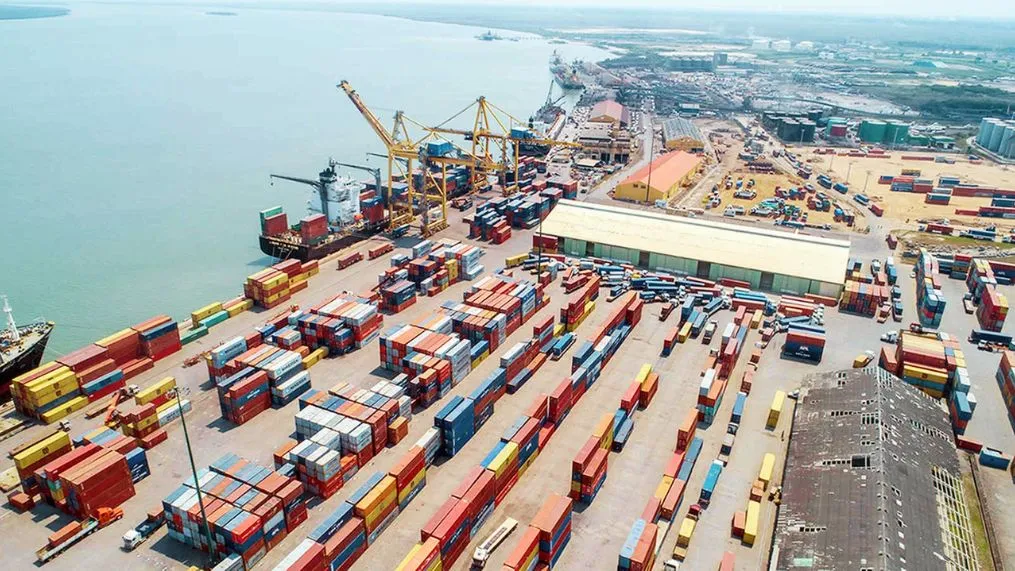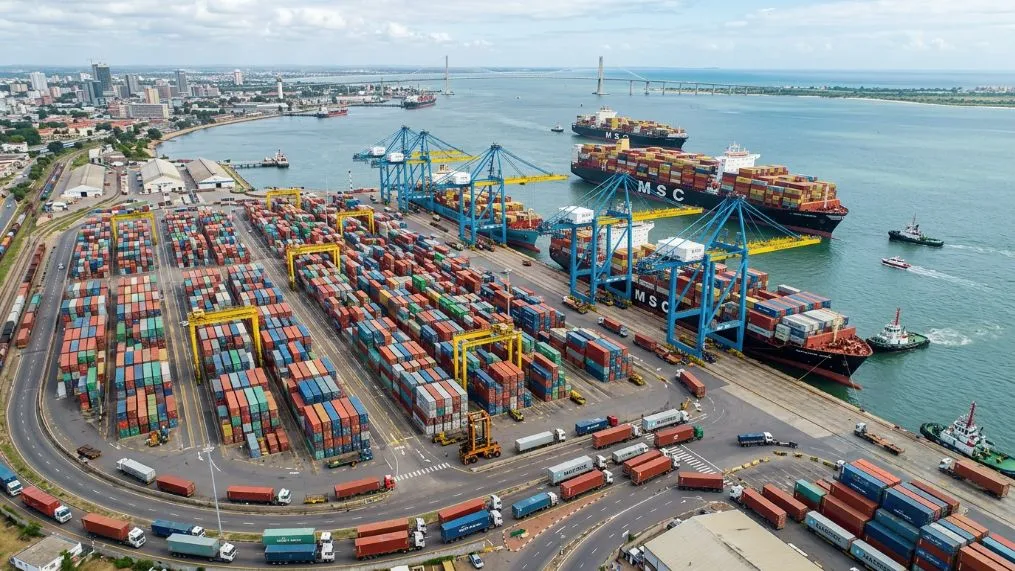
When your container arrives at Maputo port during peak season and sits in the examination bay for ten days due to a missing INTERTEK certificate that could have been arranged pre-shipment, you quickly understand why selecting the right freight forwarding Mozambique partner makes all the difference. We've seen importers face mounting demurrage costs simply because their clearing agent didn't understand our local procedures, while experienced forwarders with proper warehouse relationships can transfer cargo immediately from port, avoiding expensive storage fees while customs clearance completes through the MCNET system.
Understanding Mozambique's Port Infrastructure for Freight Operations
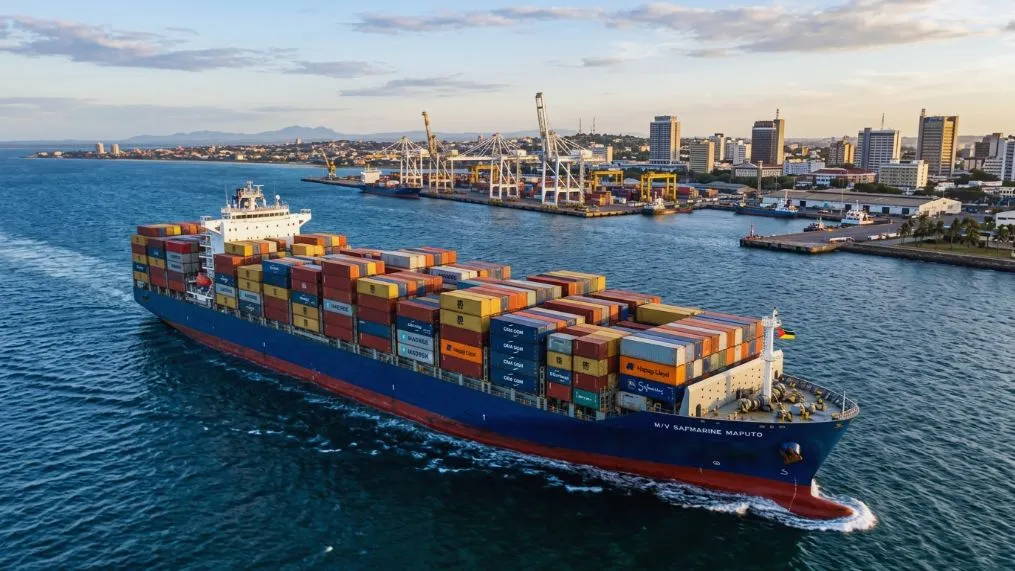
Our three main ports each serve distinct regional markets, with Maputo handling approximately 80% of the country's container traffic as the primary SADC transit hub. The Port of Maputo processes containers with handling charges ranging from USD 180-220 per TEU, making it cost-competitive for regional trade despite occasional capacity constraints that create cargo backlogs during peak periods.
The Beira port operates with a 200,000 TEU annual capacity and serves as the critical gateway for Zimbabwe, Zambia, and Malawi's landlocked cargo. Cornelder de Moçambique manages operations here, though the facility faces seasonal challenges when flooding disrupts railway connections between December and March. Anyone working with Central African trade knows that planning alternative routing during our rainy season prevents costly delays.
Trusted by vessels calling at Mozambican ports. From provisions to engine parts — everything your crew needs, delivered on time.
Nacala represents our emerging deepwater facility in the north, particularly important for coal exports and serving Malawi's northern regions. However, the limited freight forwarding agent presence in Nacala means importers often need to coordinate services from Maputo or Beira, adding complexity to northern operations.
Infrastructure limitations across all our ports create operational realities that experienced freight forwarders navigate daily. Limited storage capacity at Maputo leads to demurrage costs when containers aren't cleared quickly, while railway constraints on the Beira corridor require careful seasonal planning. Understanding these port-specific challenges helps freight forwarders develop strategies that minimize delays and additional charges for their clients.
Navigating Customs Clearance and Documentation Requirements
The MCNET electronic system processes complete documentation within 24-72 hours when all requirements are met, but we know from experience that incomplete submissions can extend clearance times significantly. Our customs authorities through the Autoridade Tributária de Moçambique have streamlined many processes, yet importers still face challenges when documentation doesn't align with system requirements.
Goods valued over USD 2,500 require INTERTEK pre-shipment inspection according to Decree 63/2018, and this requirement catches many new importers unprepared. We've seen containers delayed for weeks because the inspection certificate wasn't arranged at the origin port, creating a situation where the goods arrive before the necessary documentation. Experienced freight forwarders coordinate this inspection process early, ensuring certificates arrive with or before the cargo.
The Janela Única Electrónica system integration has improved coordination between different government agencies, but practical challenges remain. Import compliance requirements vary significantly based on commodity type, and freight forwarders must understand specific licensing requirements for pharmaceuticals, telecommunications equipment, and agricultural products.
Professional clearing agents maintain relationships with customs officials and understand the practical nuances of our documentation requirements. They know which supporting documents customs officers typically request beyond the standard commercial invoice, packing list, and bill of lading, helping prevent examination delays that extend the clearance process beyond the standard timeline.
Transit Corridors and Regional Connectivity
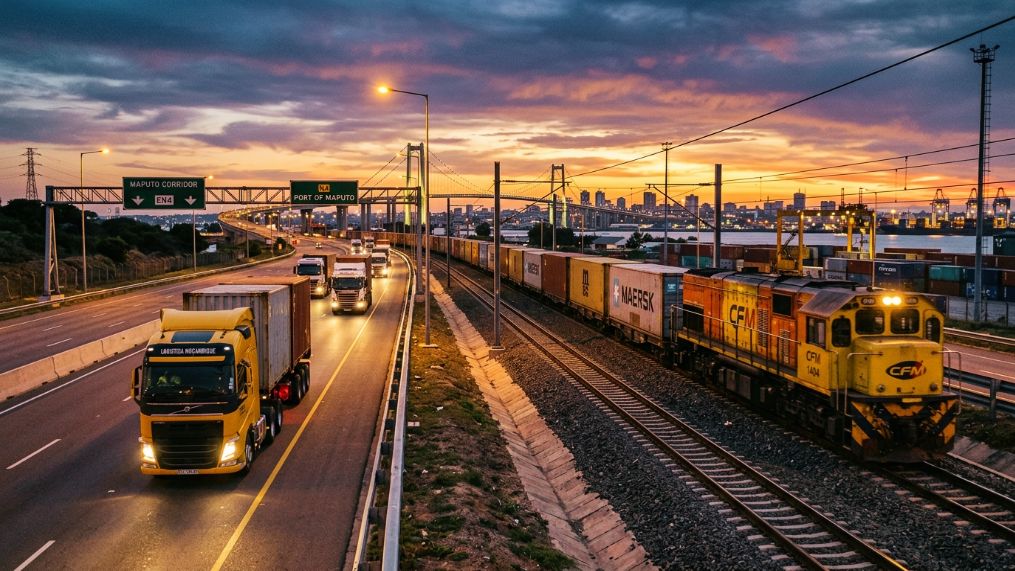
The Maputo corridor serves as our most efficient route for SADC trade, with road transit from Maputo to Johannesburg taking 3-5 days, while rail transport requires 7-10 days according to Maputo Corridor Logistics Initiative data. This corridor handles significant volumes of South African imports and exports, making it critical for freight forwarders serving regional trade.
Ressano Garcia border post processes the majority of road cargo between Mozambique and South Africa, but truck queues and documentation delays occur regularly during peak seasons. Freight forwarders with established relationships at this border crossing can expedite processing, while those unfamiliar with procedures face extended delays that impact delivery schedules.
The Beira corridor connects our central port with landlocked Southern African countries, though railway infrastructure constraints limit capacity. CFM railway services face seasonal disruptions, and SADC trade benefits through regional corridors require careful coordination between rail and road transport modes to maintain reliable transit times.
Nacala corridor development continues expanding northern connectivity, particularly for Malawi trade. However, limited freight forwarding infrastructure means many operations still coordinate through established southern networks. As this corridor develops, we expect increased local freight forwarding capacity to support the growing trade volumes.
Managing Port Operations and Storage Costs
Container dwell time at Port of Maputo averages 7-14 days for import containers, according to Maputo Port Development Company statistics, and this timeline directly impacts storage costs that escalate after the free period expires. Smart freight forwarders submit MCNET declarations at least five working days before vessel arrival, preparing for immediate clearance once containers discharge.
Bonded warehouse strategies prove essential for managing port storage costs, especially when customs examination requirements extend clearance times. Experienced freight forwarders maintain relationships with bonded facility operators, allowing immediate cargo transfer from port terminals while documentation processes complete. This approach prevents expensive port storage charges that can exceed the original freight costs for extended delays.
Demurrage and detention charges represent significant cost risks that proper planning can minimize. Freight forwarders coordinate with shipping lines to understand free time allowances and arrange equipment return within specified periods, preventing detention charges that accumulate daily once containers exceed free time.
Port congestion during peak seasons requires proactive planning, with freight forwarders monitoring vessel schedules and coordinating with port operators to optimize discharge timing. Understanding MPDC operational patterns helps predict busy periods when additional storage planning becomes necessary to avoid capacity-related delays.
Selecting Reliable Local Partners and Agents

Licensed clearing agents in Mozambique must maintain proper credentials with the Autoridade Tributária de Moçambique, but licensing alone doesn't guarantee operational competency. We recommend evaluating agents based on their specific port experience, warehouse relationships, and track record with similar commodity types rather than simply confirming their legal status to operate.
Network coverage varies significantly among local freight forwarding providers, with most concentrated in Maputo and fewer options available in Beira and Nacala. Companies requiring multi-port services often work with Maputo-based forwarders who coordinate operations at other locations, though this arrangement can complicate direct communication and operational oversight.
Border post expertise becomes critical for regional trade operations, particularly at Ressano Garcia where processing procedures and relationship management directly impact transit efficiency. Freight forwarders with established border relationships can expedite documentation processing and resolve issues that might otherwise create significant delays for truck movements.
Financial stability and insurance coverage protect importers from potential losses during the freight forwarding process. We recommend verifying that local partners maintain appropriate professional indemnity insurance and have established credit relationships with port authorities, shipping lines, and customs brokers to ensure smooth operations during the clearance process.
Selecting experienced freight forwarding partners in Mozambique requires understanding our unique operational environment, from MCNET system requirements to seasonal corridor challenges. Professional forwarders with established local relationships, proper licensing, and proven track records help navigate our complex logistics landscape while minimizing costs and delays that can significantly impact your supply chain operations.