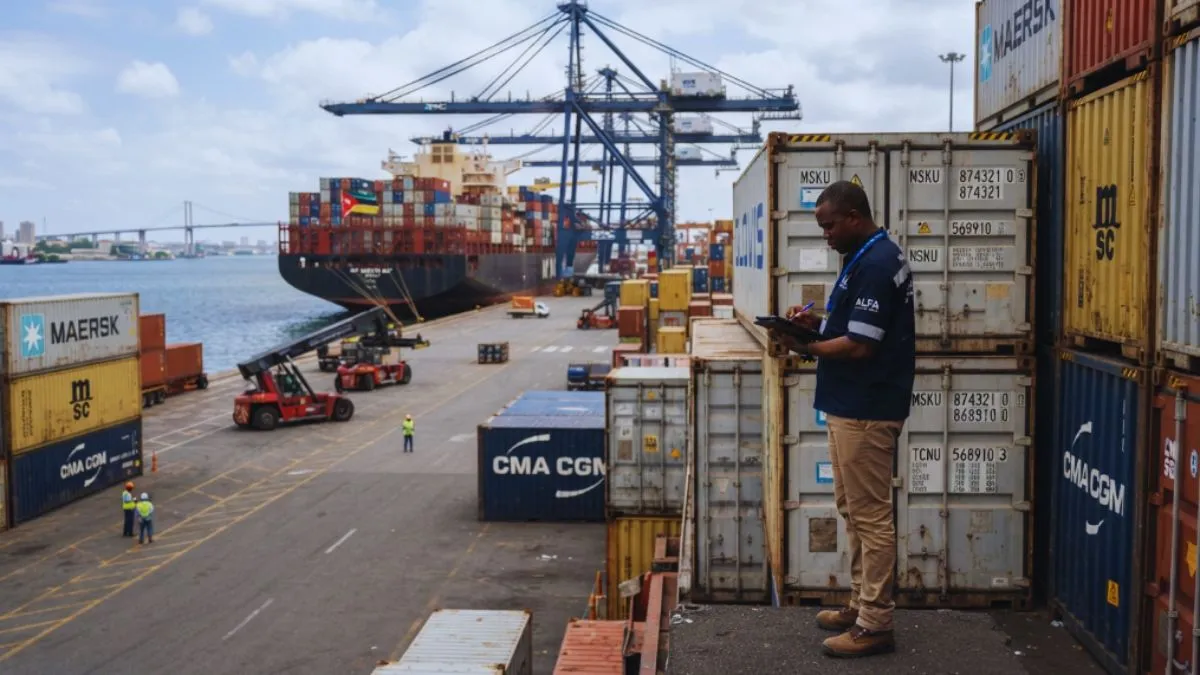
Anyone who has coordinated multiple shipments from Asia to our ports knows that timing can make or break your import operation. Last month, we watched containers arrive at Maputo on a Friday afternoon, only to sit idle through the weekend while MCNET underwent maintenance, accumulating demurrage charges at USD 25 per day. This scenario repeats weekly across our ports, yet experienced importers consistently avoid these pitfalls through careful planning and understanding of local procedures. The Singapore-Mozambique shipping route has become increasingly important for electronics, machinery, and consumer goods, but success depends on navigating our unique port dynamics, customs requirements, and logistics infrastructure.
Singapore to Mozambique Shipping Routes and Transit Times
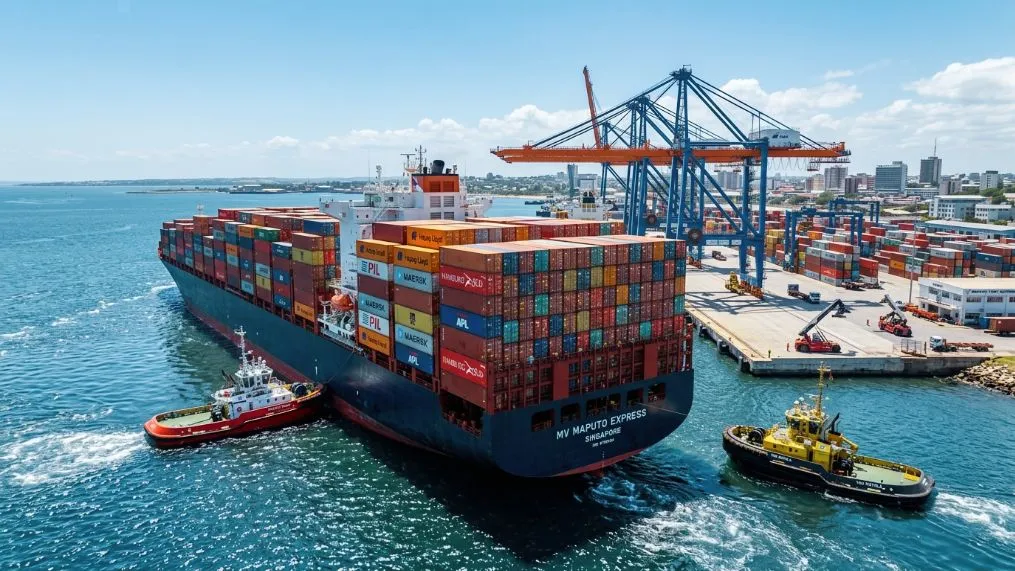
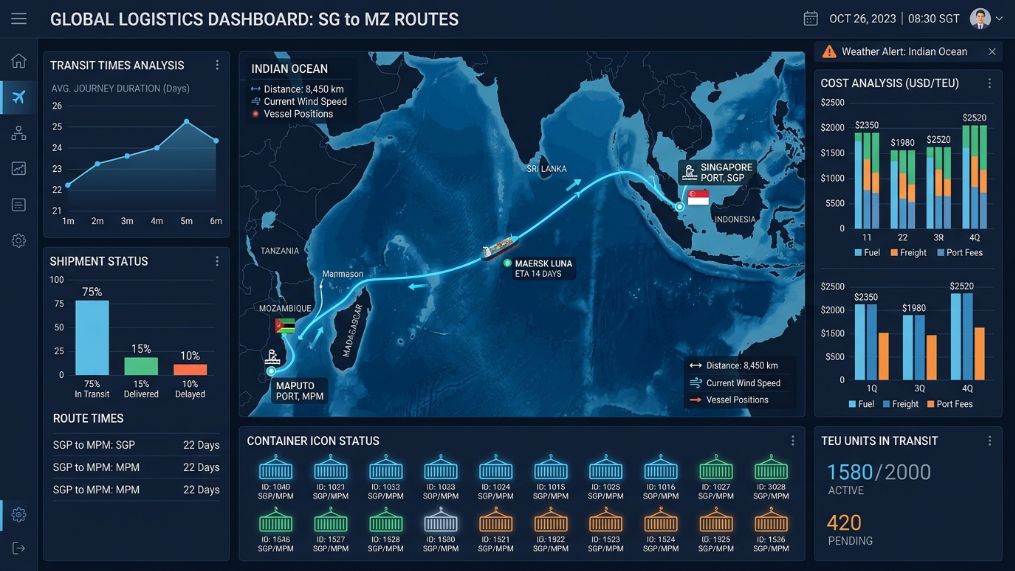
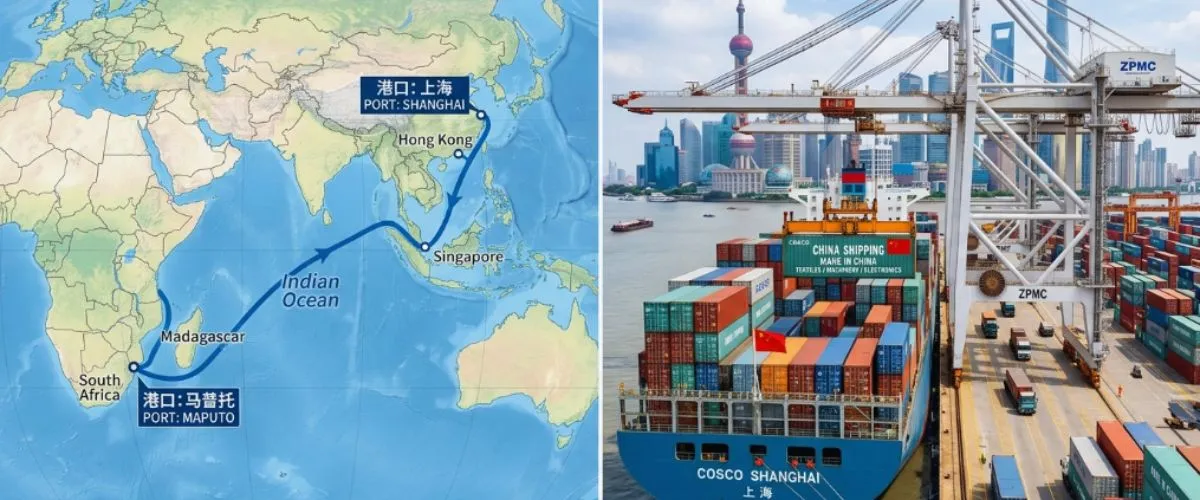
The shipping from Singapore to Mozambique operates primarily through two service patterns that determine both your costs and delivery schedules. Direct services from major carriers like MSC, Maersk, and CMA CGM typically deliver containers to Maputo Port in 18-25 days, while transshipment routes through Dubai or South African ports extend transit times to 28-35 days. The direct services command premium rates but offer more predictable schedules, particularly crucial during our peak import season from April to September.
Seasonal variations significantly impact vessel availability and freight rates on this route. During the European summer months, Asian carriers often deploy larger vessels to meet increased consumer demand, providing better capacity from Singapore. However, our experience shows that the November to March period coincides with both Asia's manufacturing peak and Mozambique's rainy season, creating capacity constraints just when road conditions from our ports become most challenging.
Trusted by vessels calling at Mozambican ports. From provisions to engine parts — everything your crew needs, delivered on time.
The choice between direct and transshipment services often depends on your cargo urgency and volume. Large importers frequently secure space on direct services through annual contracts, while smaller consignments may find better rates on transshipment routes. We've observed that major shipping lines maintain more consistent schedules on direct routes, reducing the risk of unexpected delays that can cascade through your supply chain.
Choosing the Right Mozambican Port of Entry
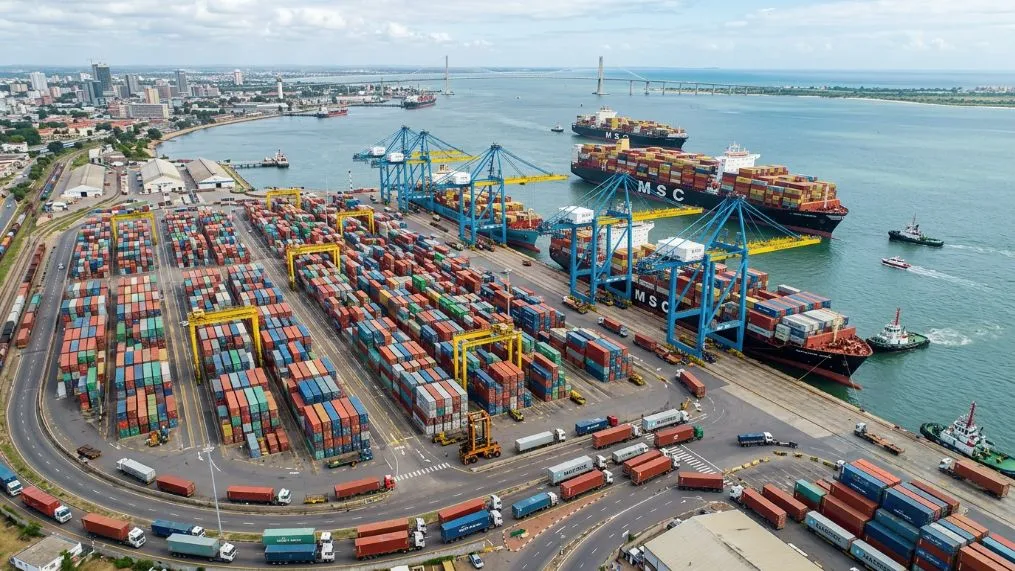
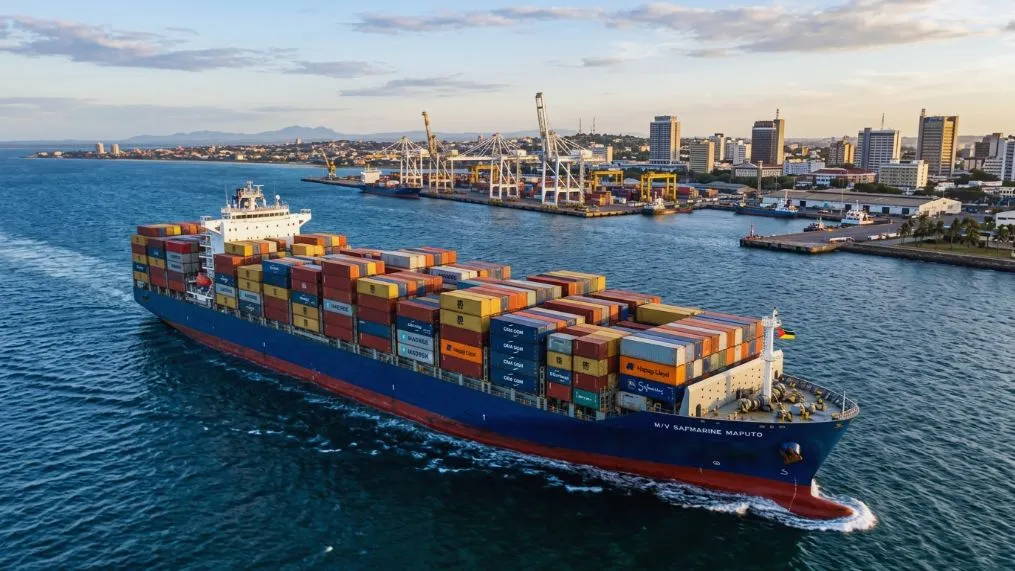
Port selection fundamentally shapes your import experience and total logistics costs. Maputo Port handles approximately 70% of our containerized imports, with current capacity of 450,000 TEU annually, though actual throughput reached only 180,000 TEU in 2023. This capacity cushion means better berth availability for Singapore cargo, but limited yard space creates pressure to clear containers quickly. The port's deeper draft accommodates the larger vessels common on Asian routes, making it the natural choice for Singapore shipments.
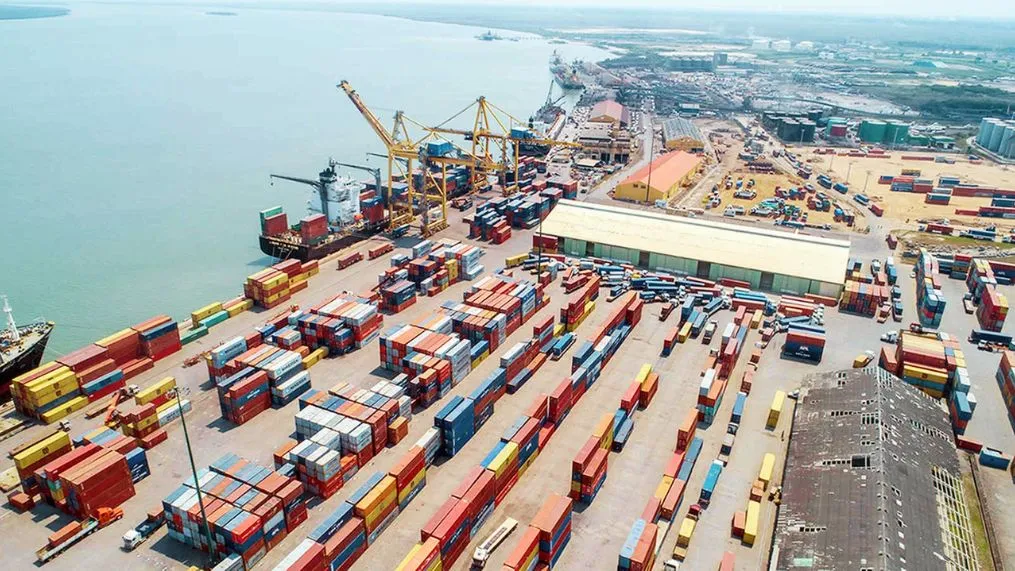
Beira Port offers an alternative for cargo destined to central and northern Mozambique, potentially saving significant inland transport costs. However, draft limitations restrict vessel sizes, often forcing transshipment of Singapore cargo through South African ports. The port serves the vital Beira corridor connecting landlocked Zimbabwe and parts of Zambia, but for pure Mozambican imports, the logistics advantages over Maputo depend heavily on your final destination.
Terminal handling charges vary between ports, with Maputo commanding USD 285-320 per 20ft container and USD 425-485 per 40ft container. These rates reflect the port's superior infrastructure and equipment, but the seven-day free storage period applies equally to both ports. Beyond this grace period, demurrage charges accumulate rapidly, making efficient customs clearance essential regardless of your chosen port.
The EN4 corridor from Maputo provides the best road connectivity to interior destinations, though truck weight restrictions and seasonal road conditions during our rainy season create planning challenges. Comparing port options requires balancing these infrastructure realities against your specific cargo requirements and delivery timelines.
Documentation and Customs Requirements
Our customs procedures demand meticulous documentation preparation before your cargo reaches Mozambican waters. Essential documents include the bill of lading, commercial invoice, packing list, SOLAS VGM certificate, and crucially, a pre-shipment inspection certificate for any shipment exceeding USD 2,500 in value. This final requirement catches many new importers unprepared, as SGS or Intertek inspections must be arranged at origin, not upon arrival at our ports.
The MCNET single window system processes all import declarations, but timing your submissions strategically prevents costly delays. Experienced clearing agents submit declarations 72 hours before vessel arrival, using estimated arrival notices to begin processing early. This proactive approach reduces average port dwell time from 8 days to 3 days, crucial when free storage expires after one week.
Customs clearance channels determine your cargo's fate upon arrival. Green channel clearance typically completes in 1-2 days with minimal intervention, while yellow channel processing requires 3-5 days for documentation review. Red channel designation triggers physical inspection, extending clearance to 7-14 days. The channel assignment depends on cargo value, product classification, and your import history with Autoridade Tributária de Moçambique.
System reliability challenges persist with MCNET, particularly during month-end processing periods when government departments reconcile their records. Weekend maintenance windows and unexpected downtime can strand cargo at port while charges accumulate. Successful importers maintain buffer time in their supply chains and work with clearing agents who understand these operational realities. Managing compliance challenges requires both technical precision and local expertise.
Import Duties and Total Landed Costs
Understanding Mozambique's duty structure prevents unpleasant surprises when calculating your landed costs. Electronics from Singapore face 20% import duty, while machinery enjoys preferential treatment at 7.5%. Textile products incur 20% duties, and food products range from 2.5% to 25% depending on classification. These rates apply to the CIF value, including your freight and insurance costs from Singapore.
Beyond customs duties, multiple charges accumulate during the import process. Port handling fees, customs processing charges, and mandatory inspections add layers to your total cost. VAT at 17% applies to the duty-inclusive value, substantially increasing your cash flow requirements. Container demurrage charges begin after the free period expires, creating urgency around customs clearance that can compromise negotiating positions with service providers.
Hidden costs often surprise inexperienced importers. Weekend and overtime charges for port operations, expedited customs processing fees, and container repositioning charges can add 15-20% to anticipated costs. Storage fees escalate in tiers, making prolonged clearance delays exponentially expensive. These additional charges require careful budgeting and timeline management.
Currency fluctuations between the Singapore dollar, US dollar, and Mozambican metical add another complexity layer. Port charges typically bill in US dollars, while local services use meticais, creating exposure at multiple exchange rates. Successful importers hedge currency risk and maintain local banking relationships to facilitate rapid payments when cargo arrives.
Working with Local Partners and Logistics Providers
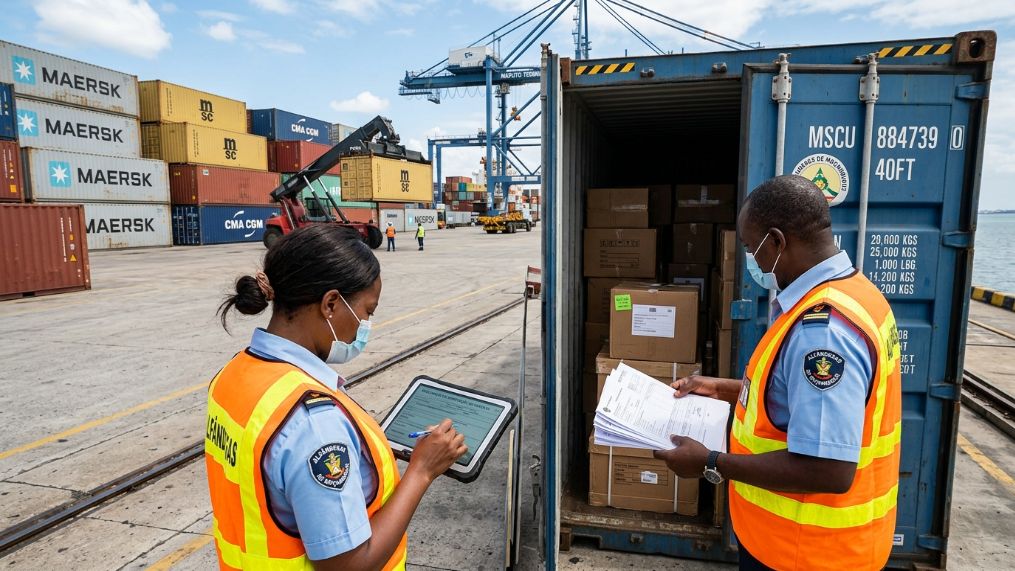
Selecting reliable clearing agents in Mozambique determines your import success more than any other single factor. Experienced agents maintain relationships with customs officers, understand MCNET system quirks, and navigate port procedures efficiently. They pre-position documentation, monitor vessel schedules, and coordinate with port authorities to minimize clearance delays. However, agent quality varies dramatically, making due diligence essential before committing to partnerships.
Freight forwarders bridging Singapore and Mozambique must understand both origins and destination requirements. Singapore-based forwarders excel at export procedures and carrier relationships but may lack intimate knowledge of our port operations. Conversely, Mozambican agents understand local procedures but may struggle with Asian export requirements. The most successful importers often work with forwarder partnerships that combine both expertise sets.
Common pitfalls include underestimating clearance timeframes, inadequate documentation preparation, and poor communication with local partners. New importers frequently assume international standards apply uniformly, discovering too late that local procedures require specific adaptations. Currency payment delays, incomplete paperwork, and unrealistic timeline expectations create cascading problems that experienced local partners help avoid.
Building sustainable logistics partnerships requires patience and clear communication. Local service providers respond better to consistent volumes and predictable scheduling than sporadic high-pressure demands. Understanding freight forwarding dynamics in our market helps establish realistic expectations and productive working relationships that benefit long-term import operations.
Successfully shipping from Singapore to Mozambique requires balancing international logistics expertise with intimate knowledge of local procedures and constraints. The route offers reliable transit times and competitive rates, but success depends on thorough preparation, reliable local partnerships, and realistic timeline planning that accommodates our unique operating environment.