
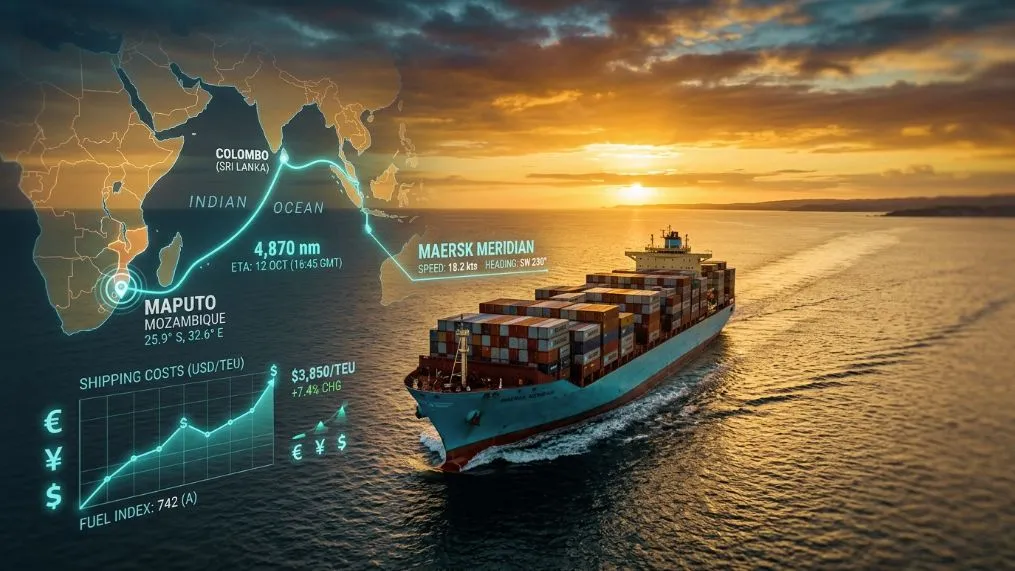
When entrepreneurs ask us about the most profitable business to start in Mozambique, we always point them to the same reality: our strategic position as Southern Africa's gateway to global markets creates unprecedented opportunities for those who understand how trade flows through our corridors. With Maputo Port handling over 20 million tons annually and Beira serving as the primary route for landlocked Zimbabwe and Zambia, the logistics ecosystem surrounding our ports generates multiple business opportunities that many newcomers overlook.
Leveraging Mozambique's Strategic Position for Trade Businesses
Our geographic position along the Indian Ocean coastline provides natural advantages that smart entrepreneurs can capitalize on. The three major trade corridors - Maputo, Beira, and Nacala - collectively handle over 30 million tons of cargo annually, with more than 60% of cargo through Beira and Nacala being transit trade to and from neighboring countries. This massive flow of goods creates demand for supporting services that local businesses can provide.
The cross-border trade volumes we see daily at places like Ressano Garcia Border Post demonstrate the scale of commercial activity flowing through our region. Anyone who has observed the steady stream of trucks moving between South Africa and our inland neighbors understands that this trade requires countless supporting services - from vehicle maintenance and driver accommodation to document preparation and cargo insurance. Regional trade benefits under SADC agreements make these corridor businesses even more attractive for entrepreneurs who position themselves correctly.
Trusted by vessels calling at Mozambican ports. From provisions to engine parts — everything your crew needs, delivered on time.
The challenge for new businesses lies not in finding opportunities, but in understanding the seasonal patterns and infrastructure constraints that affect each corridor differently. During cyclone season, Beira's capacity may be temporarily reduced, creating opportunities for businesses that can provide alternative routing or temporary storage solutions. Similarly, the ongoing infrastructure upgrades along our corridors create demand for construction support services and equipment rental businesses.
High-Growth Sectors Aligned with Infrastructure Development
Agriculture remains our economic backbone, contributing approximately 23% to GDP and employing over 70% of the population, but the real business opportunities lie in value-addition and processing rather than primary production. We export over $300 million worth of agricultural products annually, yet much of this leaves our ports in raw form. Entrepreneurs who establish processing facilities near our transport corridors can capture higher margins while reducing export volumes through concentration and packaging.
The transport and logistics sector itself grows at 8-12% annually, driven primarily by regional transit trade demand. This growth creates opportunities for specialized logistics services that complement the activities of major operators like CFM. Small businesses can succeed by focusing on niche services such as cold chain logistics for agricultural exports, hazardous materials handling, or specialized packaging for fragile goods moving through our ports.
Mining support services represent another high-potential area, particularly given our coal exports valued at over $1.2 billion annually through Nacala Port. While the mining operations themselves require massive capital investment, the supporting ecosystem needs local businesses for everything from specialized equipment maintenance to worker transportation and catering services. The challenge lies in understanding the cyclical nature of commodity markets and building businesses that can adapt to fluctuating demand.
Our aluminum exports, worth over $400 million annually through Maputo Port, similarly create opportunities for businesses that can provide specialized services to this industry. The key is positioning yourself as an essential service provider rather than trying to compete directly with established major players in these capital-intensive sectors.
Port-Based and Import-Export Business Opportunities
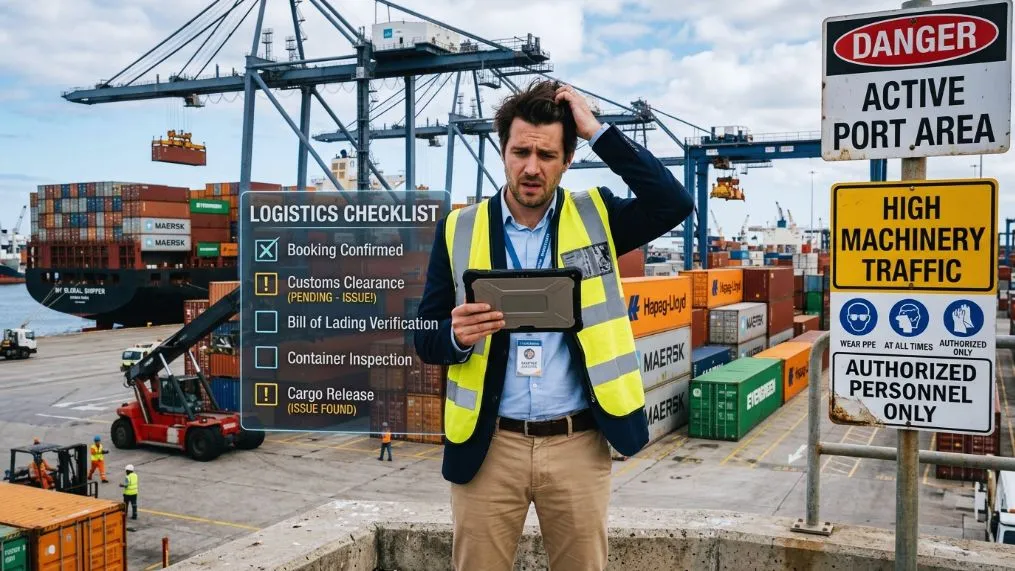
The freight forwarding and clearing services sector offers excellent entry points for entrepreneurs who understand our customs procedures and port operations. Navigating import compliance challenges requires local expertise that international shippers desperately need. New businesses can start by specializing in specific cargo types or serving particular geographic markets, gradually building the relationships and knowledge needed to expand their services.
Warehousing and distribution businesses near our major ports face consistent demand, particularly for facilities that can handle specialized storage requirements. The challenge lies in understanding the difference between each port's capabilities and constraints. Choosing between Beira and Nacala ports affects the type of warehousing services needed, as each handles different cargo profiles and serves different inland destinations.
Cross-border trading operations can be highly profitable for entrepreneurs who master the regulatory requirements and develop reliable supplier networks. The key is understanding that successful cross-border businesses depend more on relationships and process knowledge than on large capital investments. Many newcomers underestimate the time required to build the trust networks that make cross-border trading profitable, but those who persist often build very successful enterprises.
Container-related services around our ports create numerous small business opportunities that larger operators often overlook. From container cleaning and minor repair services to specialized loading and securing services for unusual cargo, these niche businesses can generate steady income for entrepreneurs who position themselves strategically near port areas.
Navigating Business Registration and Regulatory Requirements
Business registration through Balcão de Atendimento Único costs approximately 6,000-15,000 MZN depending on the business type, but the registration cost is only the beginning of your regulatory journey. Understanding the various agencies you'll interact with - from IPEME for initial registration to Autoridade Tributária for tax obligations - helps new entrepreneurs plan realistic timelines and budgets for getting operational.
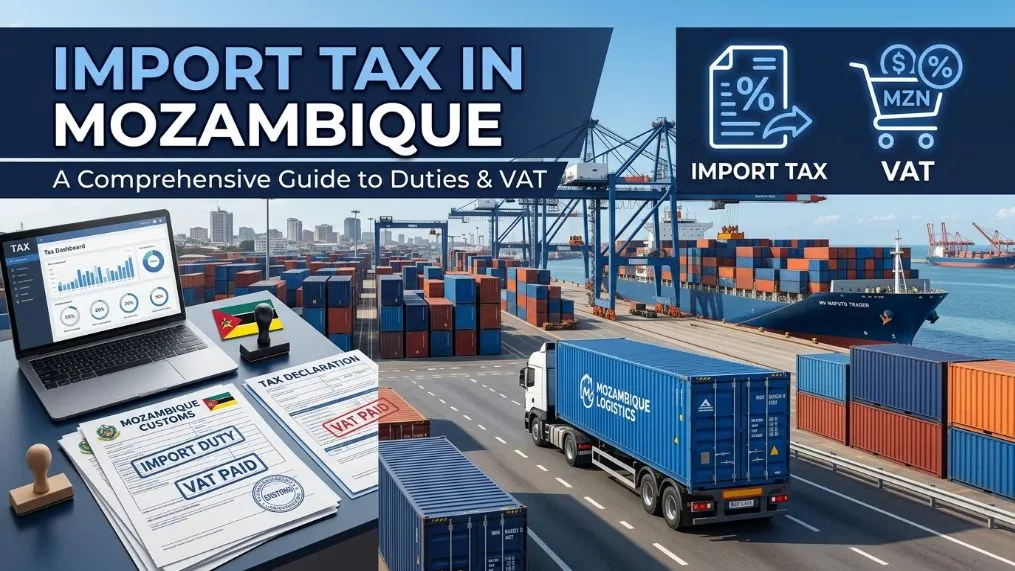
The mistake many newcomers make is treating business registration as a one-time administrative task rather than the beginning of an ongoing relationship with multiple government agencies. If your business involves importing goods, you'll need to understand MCNET procedures and maintain compliance with customs regulations. Understanding import duties and VAT obligations becomes essential for any business dealing with international trade.
We recommend that entrepreneurs budget not just for registration costs, but for the ongoing legal and accounting support needed to maintain compliance. The regulatory environment for businesses involved in international trade is particularly complex, with requirements varying depending on the commodities you handle and the ports you use. Building relationships with reliable legal and accounting professionals early in your business development process saves significant time and money later.
Documentation requirements for businesses operating in our logistics sector are extensive, but they serve important purposes in maintaining security and facilitating legitimate trade. New entrepreneurs should view regulatory compliance as a competitive advantage rather than a burden, since businesses that master these requirements can offer more reliable services to their clients.
Location Strategy: Ports, Corridors, and Market Access
Choosing the right location for your business to start in Mozambique can determine success or failure more than any other single factor. We consistently see entrepreneurs who choose locations based primarily on rent costs, only to discover later that transport costs to move goods to and from ports or border crossings eliminate any savings from cheaper premises. Understanding the logistics networks around each of our major ports helps entrepreneurs make informed location decisions.
The Maputo corridor offers the highest container throughput and best access to South African markets, but also faces the most competition and highest congestion during peak seasons. Businesses locating along this corridor need to plan for seasonal capacity constraints and longer clearance times during busy periods. However, the volume of trade and proximity to regional economic centers often justify these challenges for the right type of business.
Beira's position as the primary access route for landlocked countries creates different opportunities and challenges. The ongoing recovery from cyclone damage and infrastructure upgrades affect capacity periodically, but the consistent flow of transit trade provides steady business opportunities for service providers who can adapt to changing conditions. Businesses serving the Beira corridor need to understand the seasonal weather patterns that can affect operations.
Nacala's deep natural harbor and role as our coal export hub create opportunities for businesses that can serve the mining sector and northern regional trade. However, limited road connectivity and occasional security concerns along the corridor require careful consideration when planning business operations. Entrepreneurs who understand these constraints and plan accordingly often find less competition and more collaborative relationships with existing operators in the northern regions.