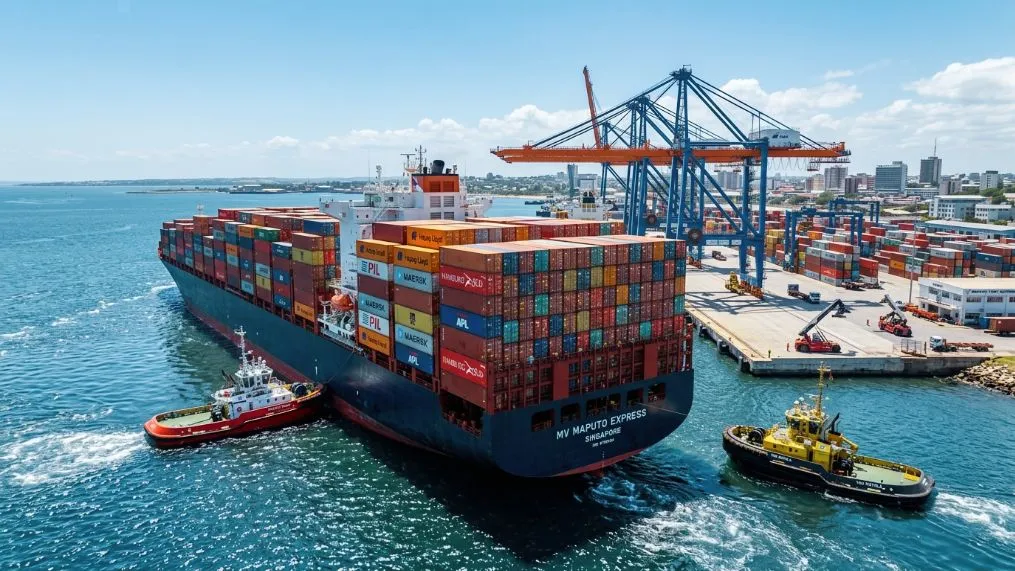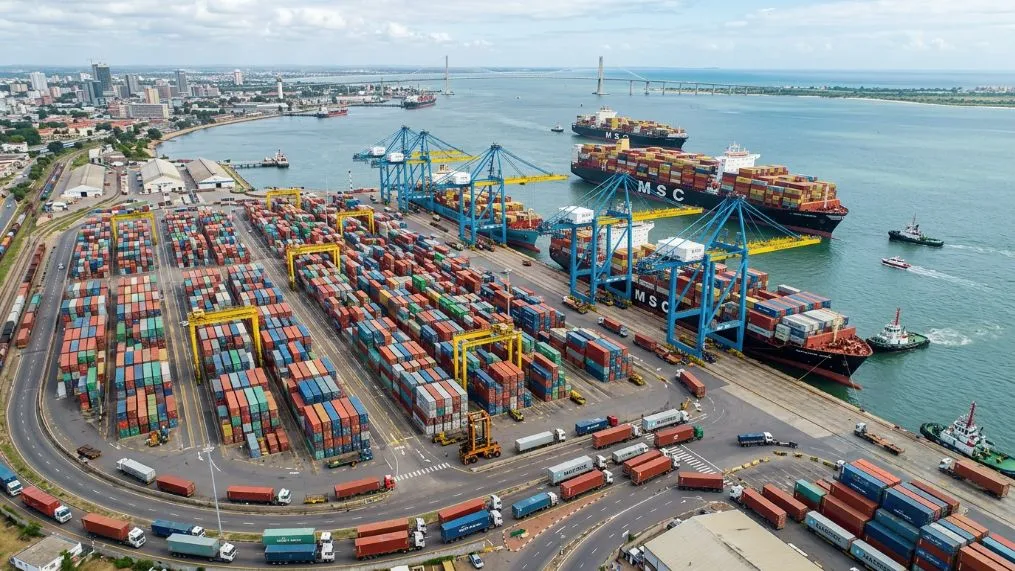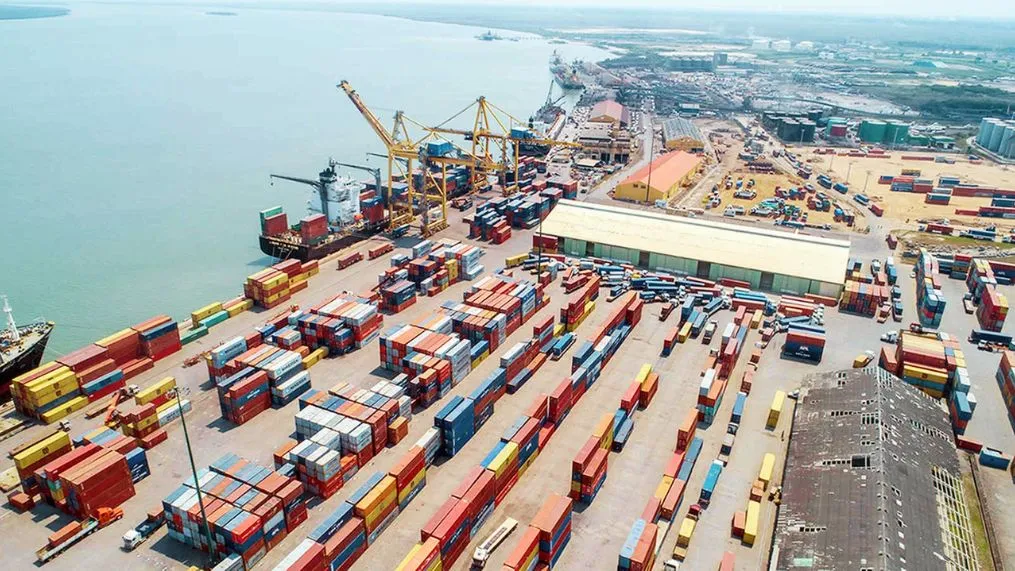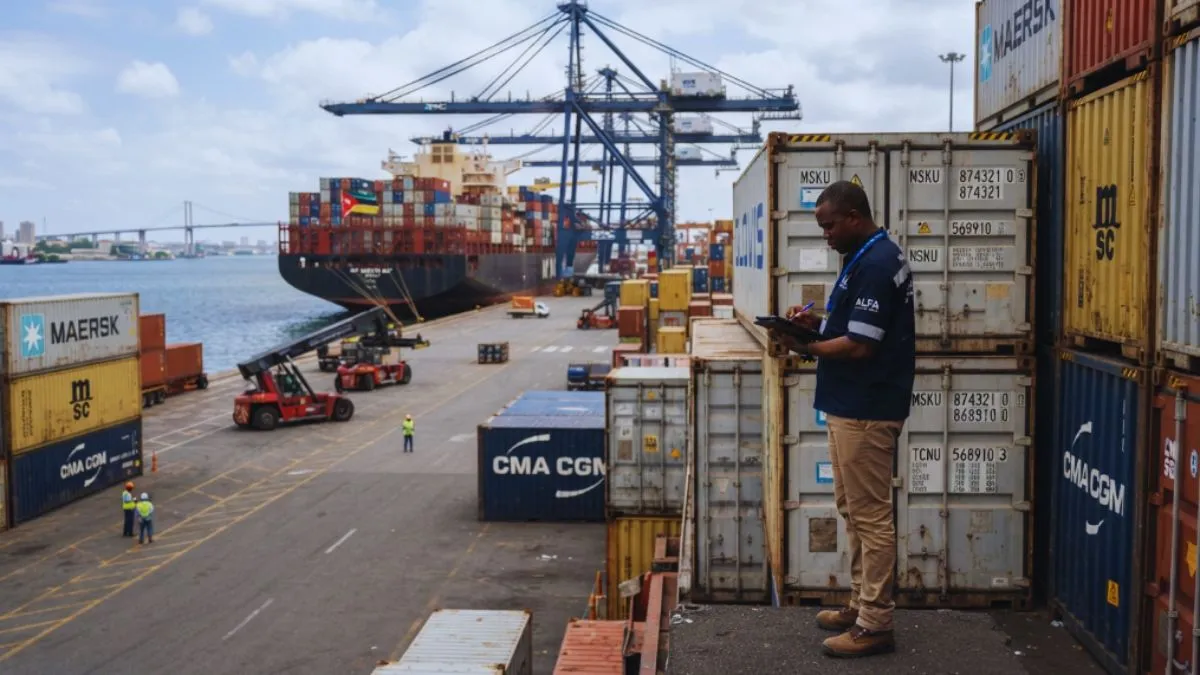
Importing goods into Mozambique can look straightforward on paper. A supplier quotes the product price, a freight forwarder provides a shipping rate, and the importer calculates the expected profit. Yet the final cost can be considerably higher once the shipment reaches Mozambique.
The problem is not always the ocean freight itself. For many importers, the difference comes from everything surrounding the shipment: customs procedures, documentation, port charges, inland transportation, storage, currency movements and unexpected delays.
This is why comparing shipping quotations alone can give a misleading picture of what an imported shipment will actually cost.
Trusted by vessels calling at Mozambican ports. From provisions to engine parts — everything your crew needs, delivered on time.
For a business bringing goods into Mozambique, the figure that matters is the total landed cost.
The shipping price is only one part of the calculation
A freight quotation normally covers a specific part of the logistics chain. Depending on the agreement with the supplier or freight forwarder, it may include the movement of the cargo from the origin port to a Mozambican port, but it does not necessarily represent the complete cost of getting the goods into the hands of the final customer.
The importer may still need to account for port handling, customs-related charges, duties and taxes, clearance services, inland transportation, storage and other destination costs.
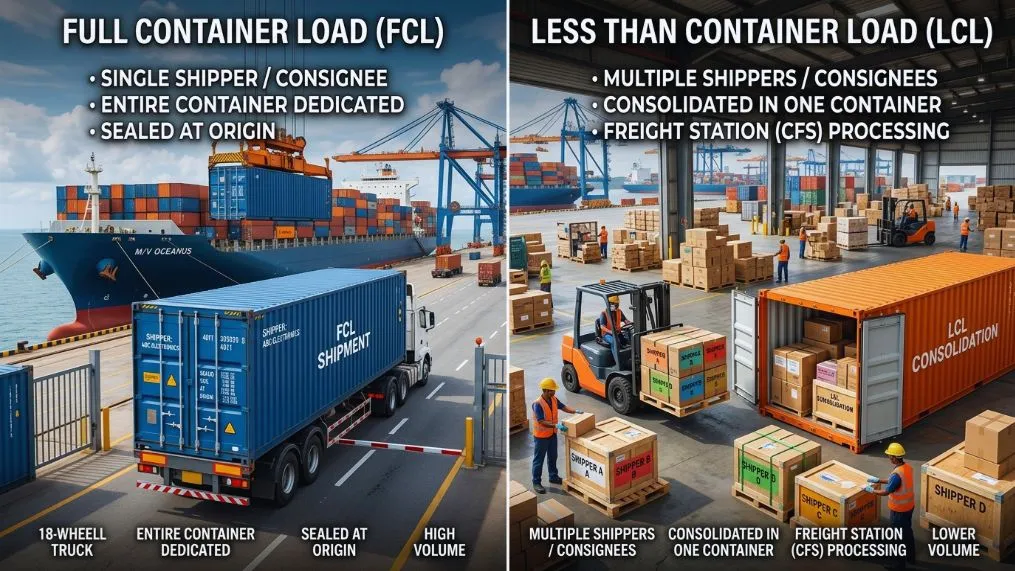
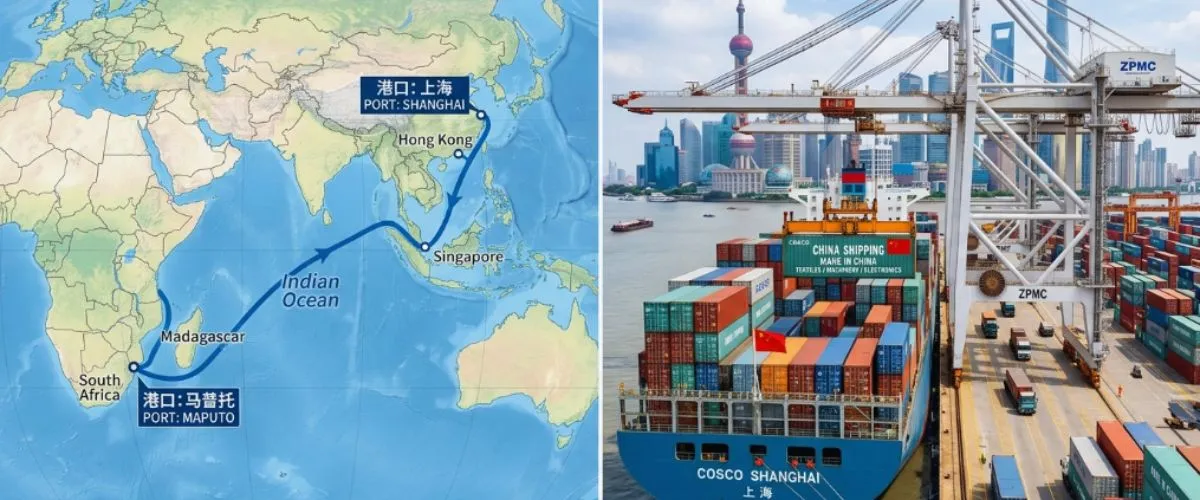
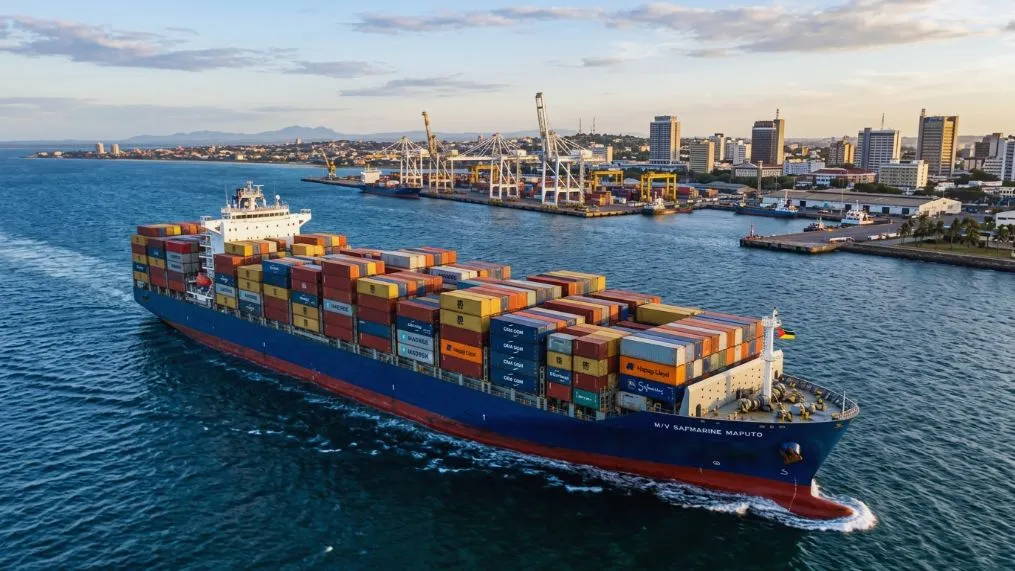
This becomes particularly important for small and medium-sized businesses. A shipment that appears inexpensive when the ocean freight is considered separately can become much more expensive after all destination costs are included.
The right question is therefore not simply, “How much does it cost to ship this container?”
It is, “How much will this shipment cost before I can sell the goods?”
That distinction can determine whether an import remains profitable.
Customs can change the economics of an import
Mozambique's customs process is one of the areas where preparation can make a significant financial difference.
Import documentation needs to accurately describe the goods and support the declared transaction value. Commercial invoices, packing lists, bills of lading and other documentation form part of the process, while certain products may require additional certificates or permits.
Errors do not necessarily mean that a shipment will be rejected, but they can create delays, additional inspections or other costs.
Product classification is also important because customs duties depend on how imported goods are classified under the applicable tariff structure. An importer who estimates costs without confirming the correct classification can therefore build a business calculation around the wrong numbers.
For this reason, experienced importers generally treat customs planning as part of purchasing and logistics planning rather than something that begins after the vessel arrives.
The port is only the beginning of the journey
Mozambique's ports connect international shipping with the country's domestic distribution network, but the arrival of a container at the port does not mean the logistics process is finished.
For an importer serving customers in Maputo, the final transport leg may be relatively straightforward. The calculation becomes different when cargo needs to travel to other provinces or across regional corridors.
The choice of port can therefore influence more than the ocean freight.
An importer should consider the relationship between the port of arrival, the final destination, road or rail availability, cargo requirements and the expected delivery time.
Maputo, Beira and Nacala serve different geographic markets and logistics requirements. Choosing between them should be based on the complete supply chain rather than simply selecting the port with the lowest initial quotation.
Delays can become expensive even when nothing goes wrong with the cargo
One of the easiest costs to underestimate is time.
A container can arrive safely and still generate additional expenses if the importer is not ready to complete the necessary procedures and collect the cargo within the required period.
Storage and container-related charges can increase when cargo remains at a port or terminal longer than expected. Documentation problems, customs procedures, delays in arranging transport or a lack of preparation at the destination can all contribute to this situation.
The financial impact can be particularly serious for businesses working with narrow margins.
A delay of several days may appear insignificant when viewed as a logistics problem. But when storage, equipment-related charges, financing costs and lost sales are considered together, the same delay can materially affect the profitability of the shipment.
This is one reason why the cheapest freight quotation is not necessarily the cheapest logistics solution.
Currency movements can quietly increase import costs
International trade adds another variable that domestic businesses do not always face to the same degree: currency exposure.
A Mozambican importer may purchase goods from a Chinese supplier in one currency, pay freight in another and ultimately sell the products in meticais.
If exchange rates move between the moment the purchase is agreed and the moment the shipment is paid for, the original cost calculation can change.
This does not mean every importer needs sophisticated financial instruments. It does mean that exchange-rate assumptions should be included when calculating margins, especially for larger shipments or products with long procurement cycles.
A business that calculates profit only from the supplier's invoice price may therefore underestimate its real exposure.
A better way to calculate the cost of importing into Mozambique
The most useful approach is to build the import calculation from the final selling point backwards.
Start with the supplier price and then add the costs required to move the goods from the supplier to Mozambique, clear them through customs and deliver them to the intended destination.
The calculation should reflect the actual shipment rather than relying on a generic percentage for logistics.
This is particularly important because costs can vary according to the product, shipment size, origin, destination, transport mode, customs classification and current market conditions.
For an importer comparing two suppliers, the supplier offering the lower product price may not necessarily produce the lower final cost.
A slightly more expensive supplier with better documentation, more reliable packaging or a more suitable shipping arrangement can sometimes result in a lower total landed cost.
The real advantage is knowing the cost before the shipment moves
Successful importing is not simply about finding cheap products or cheap freight.
It is about understanding the complete chain between the supplier and the customer.
For businesses importing into Mozambique, that means looking beyond the ocean freight quotation and considering customs, port operations, inland transport, taxes, storage, documentation, currency exposure and potential delays before committing to a shipment.
The earlier these costs are identified, the easier it becomes to protect margins and make better purchasing decisions.
For a growing importer, that discipline can be more valuable than negotiating another small reduction in the freight rate. The objective is not to find the cheapest shipment on paper. It is to know, with reasonable confidence, what the goods will actually cost when they are ready to enter the market.