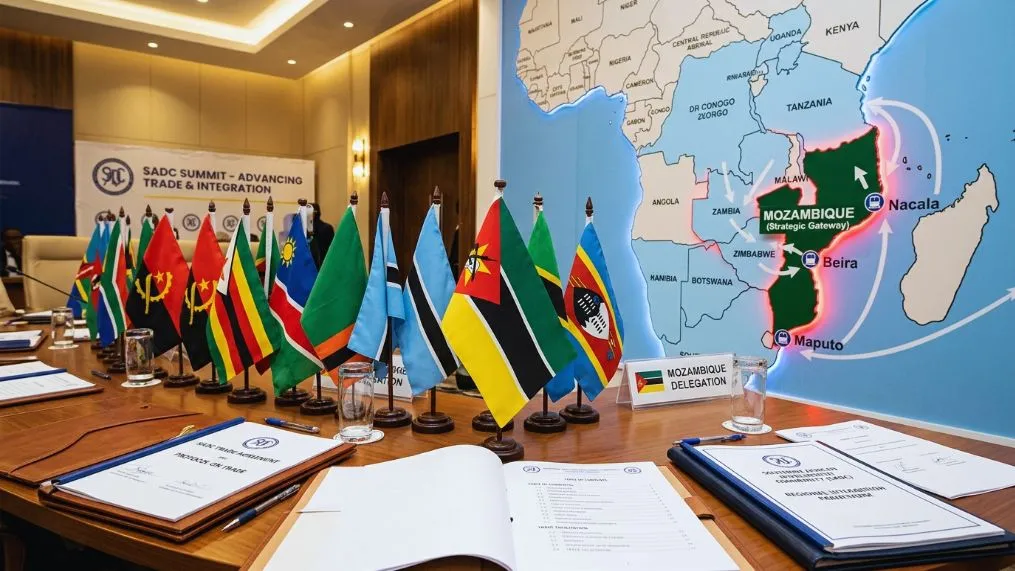
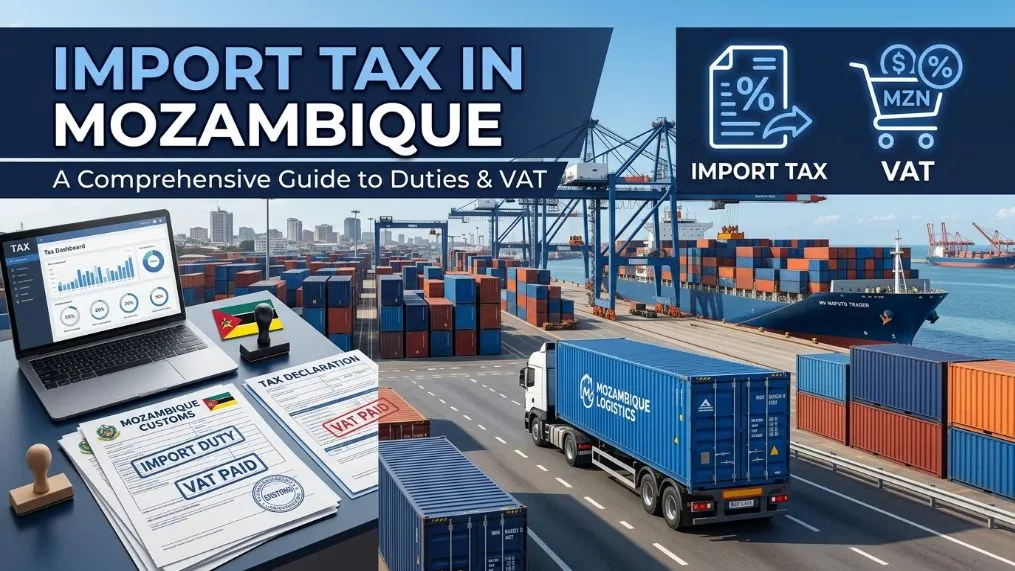
Anyone who has cleared cargo at our ports knows the frustration of watching containers accumulate demurrage charges while documentation issues drag on for days. But when you understand how to leverage SADC trade agreements Mozambique benefits, those same shipments can move through customs with up to 85% tariff reductions and streamlined processing. The difference between paying full duties and qualifying for SADC preferences often comes down to proper documentation and understanding which corridors offer the best advantages for your specific trade flows.
Understanding SADC Trade Protocol Benefits for Mozambican Commerce
The SADC Trade Protocol delivers substantial tariff reductions of up to 85% on qualifying products traded within member states, but many importers miss these savings because they don't understand the qualification criteria. Products must meet specific Rules of Origin requirements, meaning they need sufficient regional value-added content to qualify for preferential treatment. Simply shipping goods from a SADC member state doesn't automatically grant these benefits.
We've seen new importers assume that Chinese-made electronics shipped from South Africa automatically qualify for SADC preferences, only to discover at customs that standard import duties apply because the goods lack regional content. The key is ensuring your supplier provides proper documentation proving the goods meet SADC origin requirements before shipment arrives.
Trusted by vessels calling at Mozambican ports. From provisions to engine parts — everything your crew needs, delivered on time.
Cross-border trade under SADC agreements requires a minimum of 8 documents including commercial invoice, packing list, bill of lading, SADC Certificate of Origin, customs declaration, phytosanitary certificate (if applicable), insurance certificate, and transport permit. Getting these documents right the first time prevents costly delays and ensures you capture the available tariff savings.
The impact on import costs can be dramatic when properly executed. We've worked with clients who reduced their annual duty payments by 60-70% simply by restructuring their supply chains to utilize SADC-origin suppliers and ensuring proper documentation. This transforms the economics of importing for businesses operating on tight margins.
Strategic Corridor Advantages Under SADC Agreements
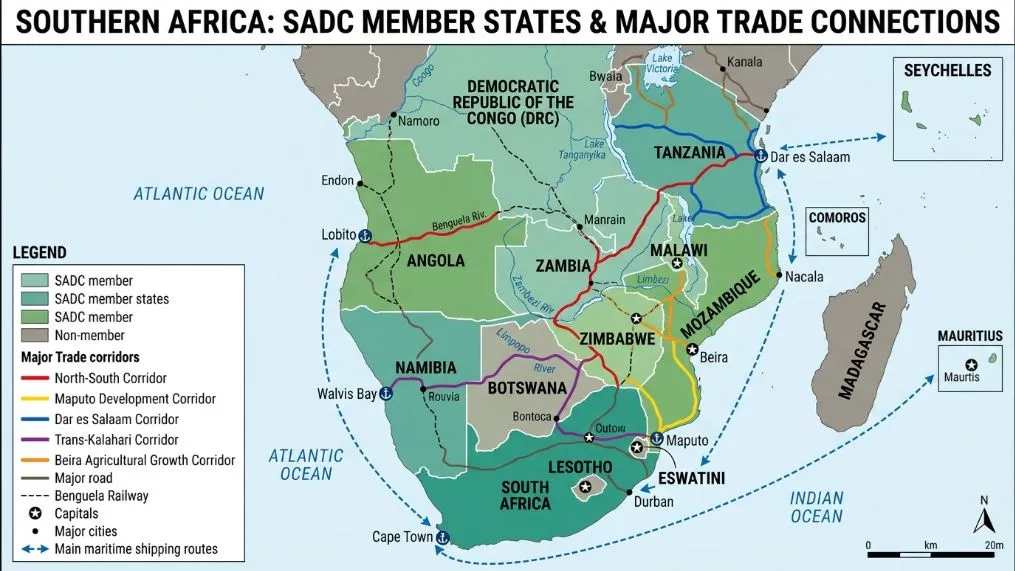
Our strategic location gives us access to three major SADC corridors, each offering distinct advantages depending on your trade destinations. The Maputo-Johannesburg corridor delivers containerized cargo in 3-4 days compared to 7-10 days via Durban, making it the preferred route for time-sensitive South African trade. This corridor handles 60% of regional transit cargo under SADC protocols.

However, congestion at Lebombo/Ressano Garcia border post regularly causes 24-48 hour delays despite SADC facilitation measures. Smart freight forwarders call ahead when shipments are en route and maintain relationships with customs officers at multiple border posts to resolve documentation issues before trucks arrive. This preparation often means the difference between smooth transit and expensive delays.
The Beira corridor serves as the strategic SADC trade route to landlocked members Zimbabwe, Malawi, and Zambia. The Port of Beira has expanded to 3 million tons annual capacity with SADC Development Fund co-financing, positioning it as a major regional gateway. Yet railway capacity limitations force much cargo to road transport, reducing the full potential of SADC transit agreements.
The Nacala corridor represents our emerging SADC trade hub with deepwater access and direct rail connections to landlocked regions. Transit fees are reduced by 40% for SADC member state cargo compared to non-SADC rates, saving approximately $150-250 per container. Unfortunately, limited customs clearance capacity and lack of 24/7 operations currently restrict the full benefits of SADC trade protocols through this route.
Documentation and Compliance Requirements for SADC Trade
The SADC Certificate of Origin remains the cornerstone document for accessing preferential treatment, but processing times vary dramatically depending on where and how you apply. Standard processing through the Mozambique Chamber of Commerce takes 2-5 working days, while pilot facilities offer same-day electronic processing. The difference can determine whether your cargo clears on schedule or accumulates storage charges.
We've witnessed containers of Zimbabwean tobacco sit idle at Beira Port because the SADC Certificate of Origin listed 'Republic of Zimbabwe' instead of just 'Zimbabwe' - a minor discrepancy that no one could authorize correcting until Monday morning, costing the importer $2,000 in demurrage charges. Such precision in documentation isn't bureaucratic nitpicking; it's essential for avoiding costly delays.
The MCNET single window system supports SADC trade facilitation by providing digital customs clearance, but system downtime and limited integration with other SADC member state platforms creates paperwork duplication. Experienced operators maintain backup documentation and establish relationships with customs officers who can process manually when systems fail.
Rules of Origin compliance requires careful attention to production processes and supply chains. Products must demonstrate sufficient transformation or value addition within SADC territory to qualify for preferences. This means maintaining detailed records of sourcing, processing, and manufacturing stages to prove compliance when customs authorities request verification.
Practical Challenges and Solutions in SADC Trade Implementation
Border post congestion remains the biggest obstacle to realizing SADC trade benefits, even with regional facilitation agreements in place. Peak periods see delays stretch beyond 48 hours, erasing time savings from preferential corridors. Successful importers time shipments to avoid peak congestion and maintain flexibility in routing to switch between corridors when delays develop.
Infrastructure limitations continue affecting trade flows despite SADC development investments. Railway capacity constraints on the Beira corridor force cargo to more expensive road transport, while limited customs clearance capacity at Nacala reduces processing efficiency during busy periods. Understanding these constraints helps in planning realistic transit schedules and avoiding unrealistic delivery commitments.
Experienced freight forwarders maintain pre-cleared SADC documentation templates and establish relationships across multiple border posts. They understand that calling ahead when shipments are en route allows customs officers to prepare for processing and resolve potential documentation issues before trucks arrive. This proactive approach typically saves 12-24 hours compared to addressing problems upon arrival.
The reality of implementing SADC trade agreements Mozambique benefits requires working within system limitations while maximizing available advantages. Smart operators maintain backup plans, redundant documentation, and flexible routing options. They also invest in relationships with reliable service providers who understand both the opportunities and challenges of regional trade protocols.
Maximizing Import Opportunities Through SADC Membership
Regular importers achieve the most significant cost savings by restructuring their supply chains to maximize SADC content and preferential treatment. This often means switching from Asian suppliers to regional ones for certain product categories, or working with existing suppliers to increase regional value addition to meet Rules of Origin thresholds. The upfront effort pays dividends through reduced duties and faster processing.
Avoiding common compliance pitfalls requires understanding that SADC preferences don't apply automatically. New importers often assume that any goods shipped from SADC member states qualify for preferential treatment, only to face full duty rates when origin requirements aren't met. Proper supplier qualification and documentation verification prevent these expensive surprises.
Future developments in SADC trade facilitation include expanding electronic processing systems and improving border post infrastructure. The pilot electronic Certificate of Origin programs will likely expand, reducing processing times from days to hours. Infrastructure investments through the SADC Regional Infrastructure Development Master Plan promise to address current capacity constraints affecting our major corridors.
Cost savings strategies focus on preparation and documentation excellence rather than hoping for favorable treatment at customs. Successful importers invest time in understanding requirements, establishing relationships with reliable service providers, and maintaining proper documentation systems. They treat SADC benefits as earned advantages requiring proper preparation rather than automatic entitlements.
Understanding SADC trade protocols transforms importing from a series of costly obstacles into strategic advantages for accessing regional markets. Success requires proper documentation, reliable service providers, and realistic planning that accounts for infrastructure limitations while maximizing available benefits.