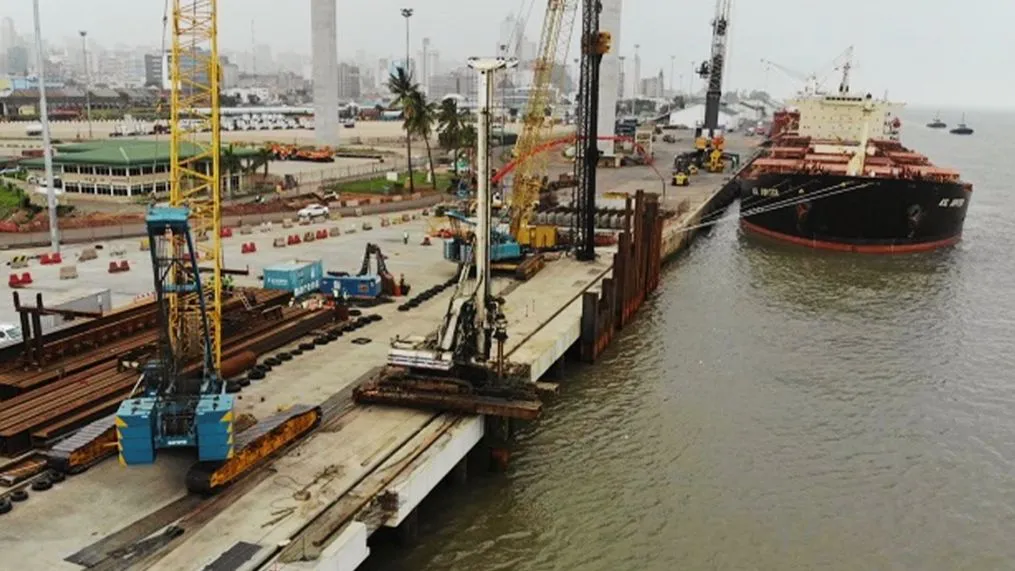
Anyone who has shipped cargo through Maputo knows that understanding the Maputo Port Development Company's operational framework can make the difference between smooth clearance and costly delays. We've seen too many importers arrive at the terminal gates without proper documentation, only to face unexpected demurrage charges that can double their logistics budget. After years of working with MPDC across different cargo types and seasons, we understand that success at our primary port requires more than just knowing the basic tariffs – it demands insight into the operational realities, seasonal challenges, and strategic preparation that separates experienced shippers from those learning expensive lessons.
Understanding MPDC's Service Portfolio and Operational Scope
MPDC operates as the cornerstone of our regional logistics network, handling both containerized and bulk cargo through specialized facilities designed to serve the Southern African corridor. The company manages container operations with a current capacity of 300,000 TEU annually, though anyone working regularly through Maputo knows that peak seasons can strain this capacity significantly. We've observed that during agricultural export periods from April to September, the limited yard space creates congestion that affects vessel scheduling and cargo flow.
Container vessels typically experience turnaround times of 2.5 to 3.5 days, while bulk carriers require 4 to 7 days depending on cargo type and berth availability. These timeframes become critical when planning container shipping costs and scheduling, particularly for time-sensitive cargo. The MPDC Container Terminal features modern handling equipment, but we've noticed that reefer plug capacity remains limited, creating challenges for cold chain logistics during peak agricultural seasons.
Trusted by vessels calling at Mozambican ports. From provisions to engine parts — everything your crew needs, delivered on time.
The Matola Terminal within the port complex handles specialized bulk operations, primarily serving the coal and mineral export trade. However, rail infrastructure limitations continue to affect efficiency, particularly when CFM experiences operational challenges. MPDC's integration with regional transport corridors extends beyond the port gates, connecting directly to the Ressano Garcia border crossing that serves as our primary link to South African markets. Understanding this connection becomes essential when planning cargo movements, as border documentation delays directly impact port dwell times and associated costs.
MPDC Tariff Structure: Costs and Payment Framework
The MPDC Maputo Port services tariffs follow a structured approach based on cargo type, container size, and dwell time within the terminal. Standard 20-foot container handling ranges from $185 to $220, while 40-foot containers cost between $280 and $320, with variations depending on cargo classification and handling complexity. We've found that understanding these base rates helps in budgeting, but the real cost management comes from knowing how additional services and time-based charges accumulate.
Storage periods provide a crucial window for cost control, with containers receiving seven days of free storage and general cargo enjoying a 15-day free period. After these grace periods, demurrage charges of $8 to $12 per TEU per day begin accumulating, creating significant cost pressure for delayed clearance. During our experience with seasonal cargo flows, we've seen storage costs escalate rapidly when importers underestimate customs clearance timeframes or face documentation challenges.
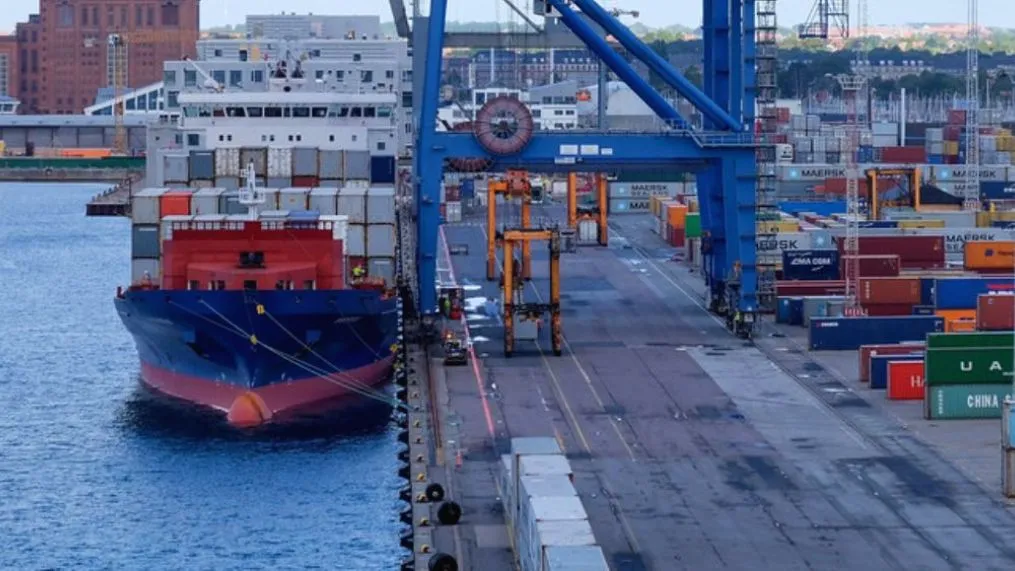
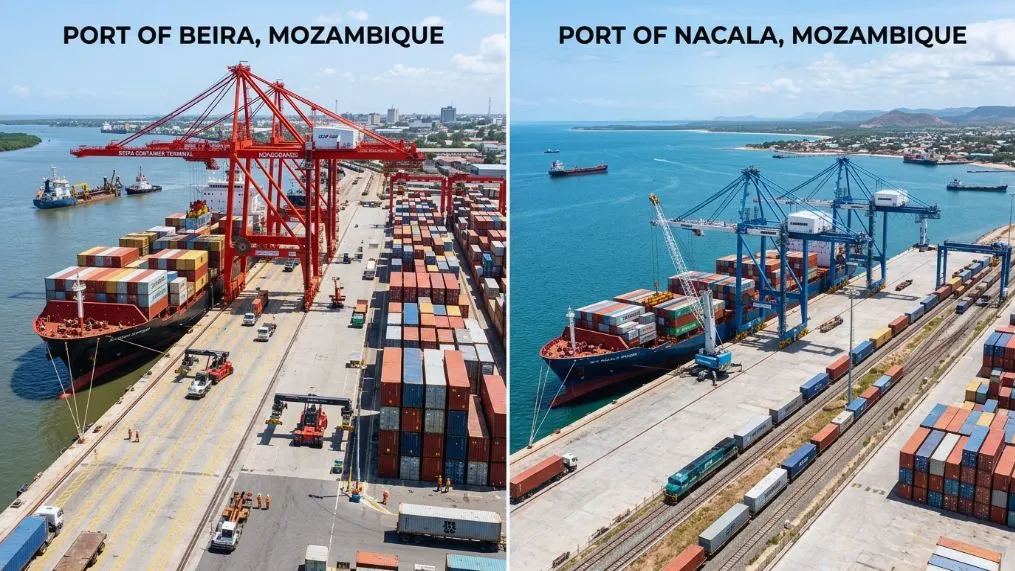

Compulsory pilotage services add $2,500 to $4,500 per vessel depending on size and draft, with extended services billed at $180 per hour. These maritime service fees form part of the overall logistics cost structure that shipping lines typically pass through to cargo owners. Understanding the full tariff framework helps in negotiations with freight forwarders and enables more accurate cost projections, particularly when comparing different arrival timing options or service levels.
Working with MPDC: Operational Procedures and Requirements
Main gate operations run from 06:00 to 22:00 on weekdays and 08:00 to 16:00 on weekends, though pre-registered cargo can access 24-hour services. We consistently advise clients to complete cargo pre-positioning through the MCNET system well in advance, as arriving without proper documentation typically results in mandatory 48 to 72-hour delays while customs verification processes are completed. These delays directly translate into unexpected demurrage charges that can significantly impact overall logistics costs.
The pre-clearance process through MCNET requires submission of complete cargo manifests and customs declarations 5 to 7 days before vessel arrival. This timeline allows MPDC to pre-position handling equipment and can reduce terminal handling time by 40 to 60 percent compared to cargo arriving without advance preparation. We've seen experienced freight forwarders leverage this system effectively, while newcomers often struggle with the documentation requirements and timing coordination.
Coordination with customs authorities and other regulatory bodies requires understanding of local procedures and relationship management that extends beyond simple compliance. The Janela Única Electrónica system integration helps streamline some processes, but physical inspections and document verification still require careful scheduling and preparation. Success in working with MPDC often depends on selecting freight forwarders who maintain strong working relationships with terminal operations staff and understand the nuances of different cargo types and seasonal operational patterns.
Optimizing Your MPDC Experience: Best Practices and Common Pitfalls
Preparation strategies for faster cargo clearance begin long before vessel arrival, with documentation completeness serving as the foundation for smooth operations. We recommend maintaining detailed cargo manifests with accurate HS code classifications and ensuring all permits and certificates are obtained well in advance of shipment. The investment in thorough preparation typically pays dividends through reduced dwell time and lower storage costs, particularly during peak congestion periods.
Seasonal considerations play a crucial role in cost management and operational planning. New shippers often underestimate Maputo's monsoon season impact from November to March, when vessel delays and increased port congestion can significantly elevate storage fees. We've observed that choosing delivery schedules outside peak rainfall periods, combined with advance cargo positioning, provides better cost control and more predictable clearance timeframes.
Cost management extends beyond basic tariff awareness to include contingency planning for delays and disputes. Understanding import compliance requirements and maintaining relationships with experienced customs brokers helps minimize unexpected charges and resolve issues more efficiently. We've found that shippers who invest in understanding MPDC's operational rhythm and seasonal patterns achieve consistently better results than those who treat port operations as purely transactional relationships.
MPDC's Role in Regional Trade Corridors
The connection between MPDC and the Maputo Corridor creates strategic advantages for regional trade, but also presents coordination challenges that affect logistics planning. Cross-border documentation delays at Ressano Garcia directly impact port dwell times, creating a ripple effect that increases storage costs and affects vessel scheduling. We've seen cargo owners achieve better results when they coordinate border clearance procedures in parallel with port operations rather than treating them as sequential processes.
Competitive positioning versus other regional ports depends largely on understanding MPDC's strengths in handling specific cargo types and trade routes. The port's deep-water capabilities and modern container handling equipment provide advantages for larger vessels and containerized cargo, while the rail connections through CFM offer potential benefits for bulk commodities when infrastructure performs optimally. Comparing different terminal options within Maputo helps optimize cargo routing decisions.
Future development plans targeting 500,000 TEU capacity by 2025 indicate MPDC's commitment to regional trade growth, but current infrastructure limitations require careful capacity planning during peak seasons. The expansion timeline suggests that shippers should prepare for improved handling capabilities while managing current constraints through strategic timing and advance preparation. Understanding these development trajectories helps in making long-term logistics planning decisions and evaluating alternative routing options for different cargo types and seasonal requirements.
Working successfully with MPDC requires understanding both the official tariff structure and the operational realities that affect actual costs and timeframes. Our experience shows that advance preparation, proper documentation, and strategic timing consistently deliver better results than reactive approaches to port operations. As capacity expansion proceeds and regional trade volumes grow, the shippers who master these fundamentals will maintain competitive advantages in accessing Southern African markets through Maputo.